THE BUYER'S GUIDE / CALIFORNIA
Used Low-Voltage Power Circuit Breakers Buyers in California
Plan around the facility change
When a California facility is changing equipment or closing, low-voltage power circuit breakers can be part of a much larger removal plan. Start by explaining whether the breakers are being cleared from an operating facility, a decommissioned data center, a shut-down power plant, or another surplus setting. That context helps define the lot and its timing.
Do not delay a quote request because a removal plan is still developing. You can identify the equipment that may be available and say whether it is installed or already removed. If shutdown sequencing or building access is still being coordinated, describe what is known without promising a date or attempting electrical work prematurely.
Used low-voltage power circuit breakers buyers in California can review equipment information without requiring sellers to test units. Electrical handling and disconnects must be performed by qualified personnel following applicable safety procedures. The buyer handles the disconnects and logistics, so sellers need not take on that work to begin a conversation.
Share model and trip information
A breaker’s manufacturer and model help distinguish it from units with a similar appearance. Share the model designation as printed on the device or listed in existing records. If the label is difficult to read, report that limitation instead of guessing or removing covers to search for hidden information.
Frame rating and trip rating are important because they describe different aspects of the breaker. Provide each value only when it appears in a reliable record or on a readable label. A switchboard schedule might identify a circuit or frame without giving the installed trip detail, so explain where each figure came from and leave unknown fields open.
Include the quantity and whether all units match. If the lot contains different manufacturers, models, frame ratings, or trip ratings, separate the groups in your description. A count by type gives a reviewer a clearer picture than a single total, while avoiding the unsupported assumption that every breaker in a lineup is interchangeable.
Add service and storage history carefully
Known service history can help explain the equipment’s background, but a seller is not expected to reconstruct a complete operating record. You can share existing maintenance notes, removal records, or a general description of where the breakers were used, provided the information is available and reliable.
Storage history is similarly useful when known. Indicate whether removed breakers have been kept together, whether the storage location is indoors or outdoors if that is apparent, and whether records describe the period in storage. Avoid conclusions about condition based only on appearance, and do not perform tests to answer questions for a quote.
A brief note separating documented facts from estimates prevents confusion. For example, identify a service date as a record entry rather than a confirmed last-use date if that distinction is uncertain. The reviewer can consider the limits of the information while evaluating the equipment; a quote depends on reviewing what is being offered.
Explain equipment and site access
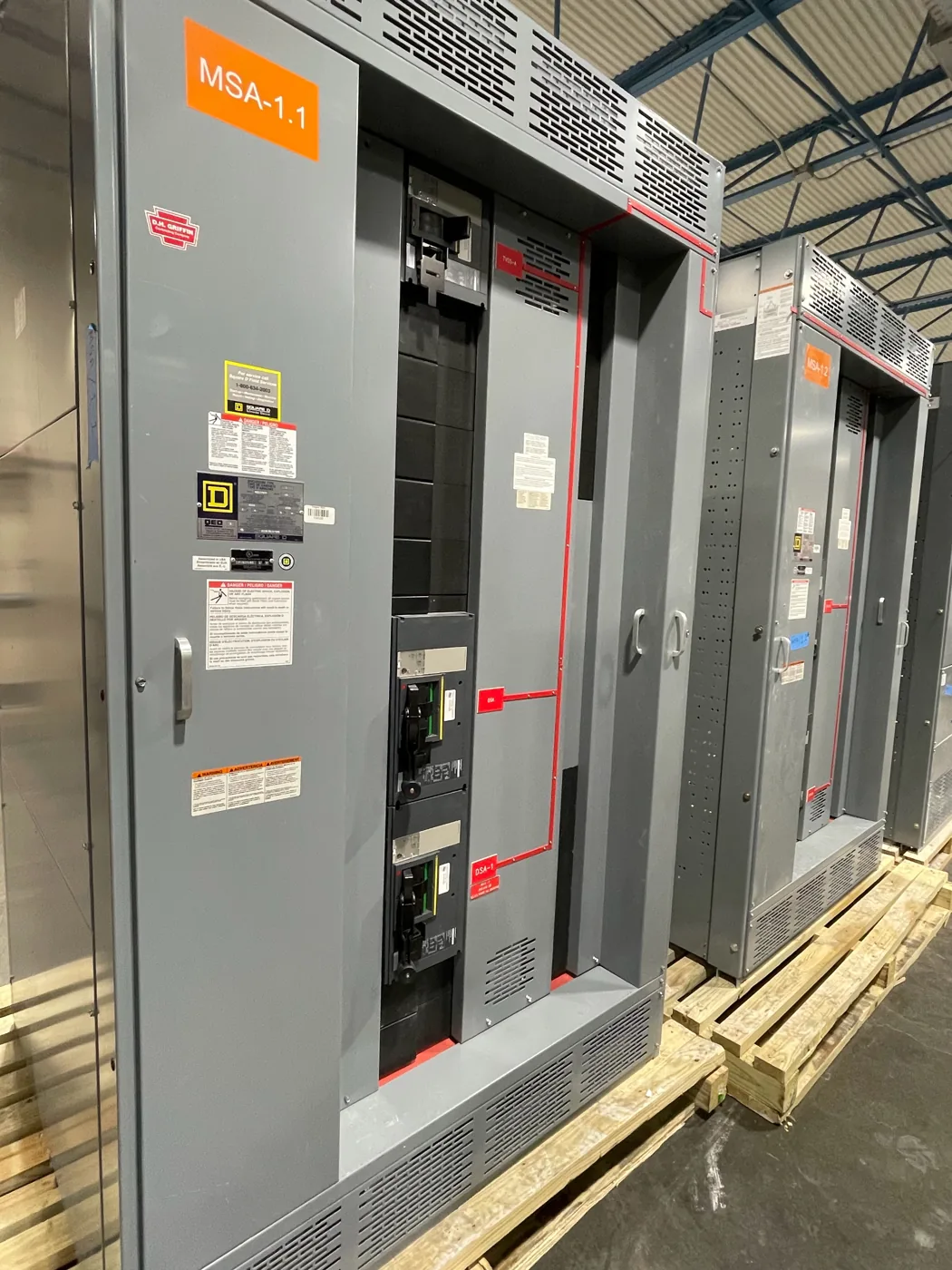
Clarify whether breakers are still installed in switchgear or have already been removed. If installed, identify the relevant lineup or area when known; if loose, describe how many units are grouped together. This matters for understanding the removal scope, not because a seller must prepare or move the equipment.
For a California pickup, share general location information and practical site details such as known access procedures, restricted areas, or a loading route. Do not infer that a buyer operates a local branch or facility. The purpose is simply to help assess how collection may be coordinated with the site and its authorized personnel.
The buyer handles rigging, crane needs, loading, freight, and hauling at its expense. Disconnects are also handled by the buyer, with electrical work performed by qualified personnel under applicable safety procedures. A seller should not work on energized equipment or take on heavy removal tasks to make a quote request possible.
Request a review with useful records
A focused request can state the breaker manufacturer, model, frame and trip ratings when known, quantity, and whether units are installed or loose. Add any reliable service or storage history and note exactly which details remain unavailable. Existing inventories or label photographs can support the description, but testing is not required.
Include the broader decommissioning or facility-change context and the general California location. If there are several distinct groups, describe each separately. Mention access restrictions or a known removal sequence only when those details are available, so the review can account for practical logistics without treating tentative plans as settled.
The business buys used and surplus switchgear across voltage classes, makes cash offers, and pays upfront. Any quote depends on reviewing the equipment; it is not a guaranteed valuation or a promise of eligibility. Share what you can, ask for a review, and leave electrical disconnects and collection logistics to the buyer.