THE BUYER'S GUIDE / CALIFORNIA
Used Low-Voltage Motor Control Centers Buyers in California
Start With the Decommissioning Record
When a facility retires a motor-control lineup, the first practical question is often what remains and what records survived. Sellers in California can explain whether the low-voltage motor control center came from a shutdown, renovation, or decommissioning and whether it is still assembled. That context gives a buyer a starting point without requiring anyone to energize, test, or operate the equipment.
For used low-voltage motor control centers buyers in California, useful background includes the lineup’s former role, approximate removal date if known, and whether buckets or doors were taken out. Keep the account factual. If the exact service history is unavailable, say that rather than treating a former use or age as proof of present condition.
A seller may share existing photos, drawings, or maintenance records if available, but should not create new technical evidence by opening compartments or handling electrical parts. A quote depends on review of the actual equipment and available information. Clear notes about what was and was not inspected help a reviewer assess the asset without mistaking incomplete documentation for a confirmed condition.
Identify the Lineup and Its Nameplate
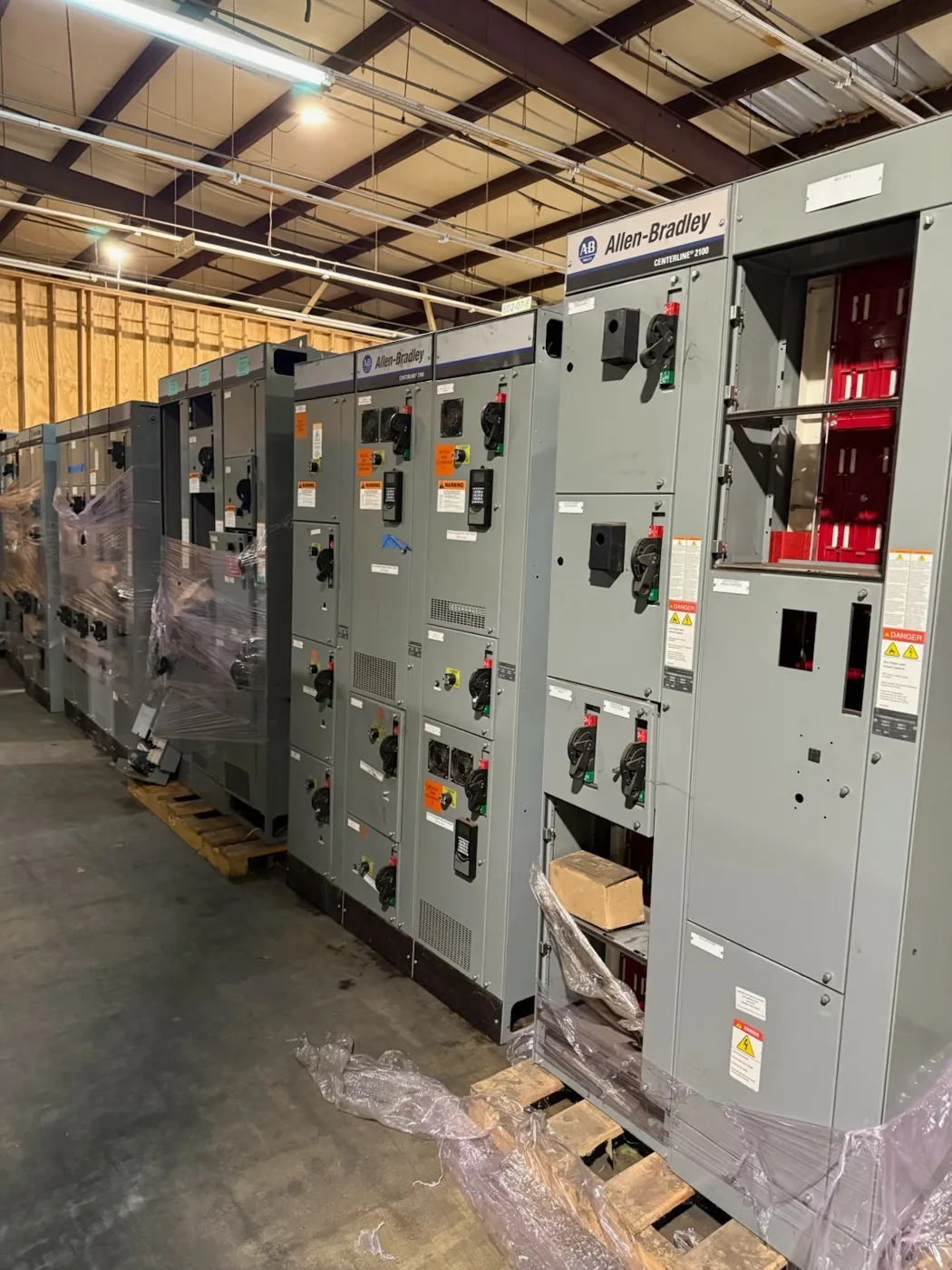
Begin identification with the manufacturer and any model, serial, or catalog information visible on exterior labels. A photograph of the full lineup helps show its arrangement, while a readable nameplate image can clarify which ratings are printed. Record voltage and amperage exactly as stated on the label; do not infer values from connected machinery or substitute an assumed standard rating.
Describe the lineup in practical terms: approximate number of sections, whether sections remain connected, and any obvious gaps or missing doors. These observations help distinguish a complete assembly from a collection of separated cabinets. If a dimension is available from existing records, include it; otherwise, an approximate length is useful only when it can be obtained safely and without disturbing the installation.
Used low-voltage motor control centers may include different combinations of buckets and controls, so state what is visibly present rather than labeling the lineup complete. Note the bucket count if known and mention empty spaces or removed units. These details matter because configuration can affect how a buyer understands the equipment, but they do not establish operation or guarantee a particular valuation.
Share Bucket and Starter Details
A bucket count gives reviewers a more concrete picture than a general description of a large lineup. Count only units that are visible and safely accessible, and explain whether the number is exact or approximate. If buckets have been stored separately, describe where they are and whether they are believed to belong with the lineup. Avoid moving heavy parts to improve photographs or confirm a count.
Where labels or existing schedules identify starters, drives, or other control components, share the wording or a clear image. A list of starter types or drive information can help distinguish configurations, but only report what documentation or exterior markings actually show. If a label is unreadable, missing, or inaccessible, mark the information as unknown instead of filling in a likely description.
This level of detail is especially useful when a lineup contains mixed sections or has been altered before removal. Note visible differences between sections and identify any components already removed, if known. The goal is to make review more precise, not to ask the seller to test drives, operate starters, or inspect energized equipment. Electrical work belongs to qualified personnel following applicable safety procedures.
Explain Removal Conditions and Access
Describe where the motor control center sits and the route equipment would need to travel to reach a loading point. Share known doorway widths, turns, floor changes, overhead restrictions, or vehicle-access limits only if those details are available. Photographs from safe locations can show the route. If a measurement has not been checked, label it unconfirmed rather than presenting it as exact.
Mention whether the lineup is indoors, attached to other equipment, or already disconnected, but do not disconnect or dismantle it yourself. Electrical handling and disconnects must be performed by qualified personnel under applicable safety procedures. The buyer handles rigging and logistics, including crane, rigging, disconnects, loading, freight, and hauling at its expense.
At a decommissioned data center or shut-down power plant, a seller may also know about access rules, loading-area coordination, or a facility clearance process. Share only the relevant logistics and do not include sensitive credentials in an initial request. Advance knowledge of practical constraints helps the buyer review removal needs while leaving electrical work and heavy handling to the buyer’s qualified arrangements.
Request a Specific Equipment Review
A focused inquiry can include the California location, manufacturer and visible model details, nameplate photographs, lineup length or section count, bucket count, and any existing starter or drive schedule. Add a short account of decommissioning and visible condition, plus notes about access. If some details are unavailable, identify those gaps so the reviewer knows which information is confirmed.
The business buys used and surplus switchgear, including low-voltage motor control centers, and buys all voltage classes. It makes cash offers and pays upfront when a transaction is agreed. Sellers are not required to test equipment. A quote depends on reviewing the particular lineup and the information supplied, rather than on a generic description or assumed condition.
The buyer handles all rigging and logistics, including crane, rigging, disconnects, loading, freight, and hauling, at its expense. The seller does nothing but get paid. To move the review forward, organize existing records and safe photographs, state what remains with the lineup, and request a quote for that identified equipment without claiming a price or outcome in advance.