THE BUYER'S GUIDE / CALIFORNIA
Used Liquid-Filled Transformers Buyers in California
Describe the transformer, not its assumed value
A liquid-filled transformer’s useful description is built from verifiable details, not guesses about what it might be worth. Its nameplate ratings, known fluid information, records, and removal circumstances help a buyer review the equipment. Unknown fields should be identified as unknown rather than filled with assumptions or unsupported claims.
For anyone seeking used liquid-filled transformers buyers in California, begin with information already available: kVA and voltage nameplates, manufacturer or model if legible, fluid type if documented, and any available PCB or maintenance records. Do not open equipment or handle fluid to identify it, and do not operate the transformer for a quote.
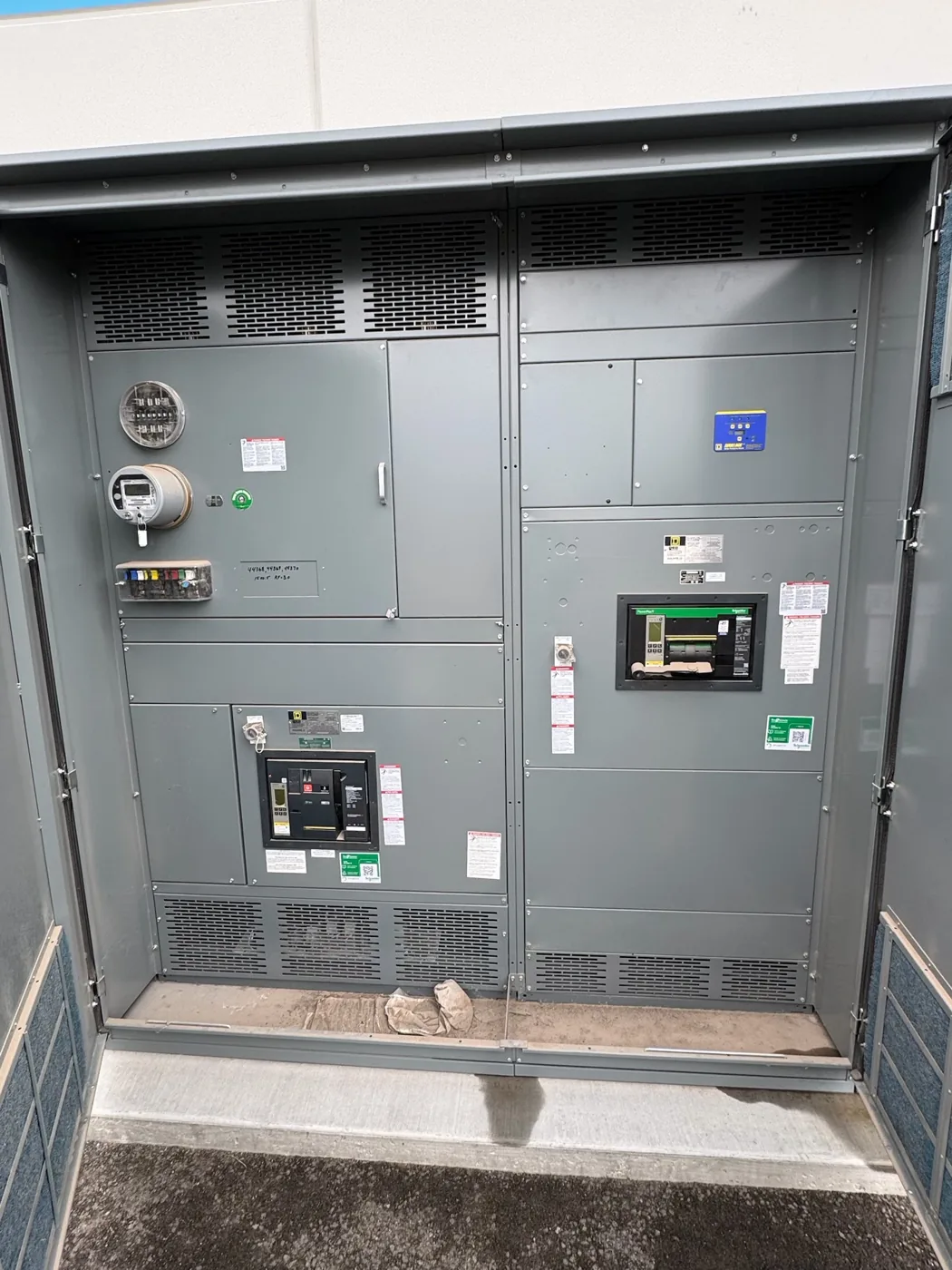
The business buys used and surplus switchgear, including equipment from decommissioned data centers and shut-down power plants. It makes cash offers and pays upfront after reviewing the equipment. Sellers need not test it; qualified personnel handle electrical work, while the buyer takes care of rigging and logistics at its expense.
Gather ratings and existing records
Record the kVA and voltage values as they appear on the nameplate or in reliable existing documentation. These ratings identify the described unit and help distinguish it from other transformers at the same facility. If a plate is unreadable, incomplete, or inaccessible, explain that limitation rather than estimating its contents.
Manufacturer, model, and serial details can be useful when available, but do not invent missing nameplate information. A safely taken photograph of the exterior identification may clarify a written description. There is no need to remove guards, open a compartment, or approach an unsafe area to capture an image.
Fluid type and PCB information should come from records or labels already available. Share any relevant maintenance or inspection records that can be provided, and state when records are missing or inconclusive. Do not sample fluid or make a PCB determination yourself; a lack of documentation is a fact to disclose, not a reason to guess.
Set the decommissioning scene
Explain whether the transformer is part of a planned shutdown, facility change, or completed decommissioning, and whether it remains installed or is already removed. This establishes the practical stage of the inquiry. A quote review can begin with existing information even when removal timing or condition has not been finalized.
If the equipment came from a data center, power plant, or other facility, describe only the background you know. A site may contain multiple units with different ratings, service histories, and records, so connect each document or photograph to the correct transformer where possible. Do not transfer details from one unit to another.
Observed exterior condition can be described plainly: for example, note visible damage, missing labels, or an appearance that warrants attention. Do not infer internal condition or claim that the transformer operates properly without supporting information. Sellers are not asked to test it; existing observations and records are the starting point for review.
Plan removal with qualified personnel
Liquid-filled transformer handling and electrical disconnects require qualified personnel following applicable safety procedures. Never work on energized equipment, open the tank, drain fluid, or attempt a disconnect to prepare for an offer. If the unit remains in place, say so and let the buyer coordinate the required work.
Mention known access conditions such as indoor or outdoor placement, the route toward loading, restricted gates or doors, overhead limits, and space for staging. If site coordination is needed, identify that in general terms. These details help the buyer consider rigging and logistics without asking the seller to arrange or perform them.
The buyer handles rigging and logistics, including crane, rigging, disconnects, loading, freight, and hauling, at its expense. The seller should not undertake electrical handling or removal. Any safety or access concerns can be shared as information so qualified personnel can plan the work in accordance with applicable procedures.
Request a review without testing
To begin a quote request, provide the kVA and voltage nameplates, manufacturer or model if known, documented fluid type, and any available PCB or maintenance records. Add a count and identify whether details apply to one transformer or a group. Existing photos and records can help, but no testing or new technical report is required.
Include whether the equipment is installed or removed, its decommissioning context, observed exterior condition, and known access constraints. Clearly distinguish documented facts from estimates and unknowns. If a record is unavailable, simply say so; the buyer can review the information that exists without asking you to handle the equipment.
A quote depends on reviewing the equipment and information, so it is not a guaranteed valuation, price, or promise of eligibility. The business makes cash offers and pays upfront when proceeding. The seller shares available information and gets paid; the buyer handles rigging, qualified disconnect work, loading, freight, and hauling at its expense.