THE BUYER'S GUIDE / CALIFORNIA
Used Gas-Insulated Switchgear Buyers in California
Start With the Information on Hand
Do you have the gas-insulated switchgear model and nameplate details available, even if its condition or service history is incomplete? Those known facts can help a buyer understand what equipment is being offered. Sellers do not need to resolve every uncertainty before asking for a quote, and they are not required to test the equipment.
For a request involving used gas-insulated switchgear buyers in California, begin with the manufacturer, model, nameplate photographs, and the number of assemblies or bays, where that information is visible. Include voltage class and other ratings exactly as shown rather than estimating them. A clear record helps distinguish the equipment without relying on assumptions about its configuration.
If the gas type appears in documentation or on a label, share that information and identify its source. If it is not documented or cannot be read safely, say so instead of guessing. Available service records, drawings, and equipment lists may also help explain the installation, but missing records do not require a seller to perform electrical or gas-related work.
Describe the Equipment Without Testing
A practical description can cover whether the switchgear is installed, isolated, stored, or awaiting removal, provided the seller already knows. Note visible labels, apparent completeness, known operating history, or documented defects. Separate direct observations from records or recollections; this gives the buyer context without presenting an uncertain condition as a verified finding.
There is no need to energize, open, operate, sample, or test gas-insulated equipment to request a review. Any inspection or safety information is a request for information that is already available, not a condition the seller must satisfy. Electrical handling and disconnects belong to qualified personnel following applicable safety procedures; the buyer handles the work associated with its purchase and removal.
Gas handling must likewise remain with qualified personnel working under applicable rules. A seller should not release gas, open compartments, or attempt service to improve a quotation. If records identify prior maintenance or gas-related work, sharing those records can help a buyer assess the offered equipment. If no such documentation exists, accurately state that it is unavailable.
Put Removal in the Decommissioning Plan
When a facility is being decommissioned, the switchgear sale is only one part of a larger sequence involving system shutdown, access control, and building work. Describe the intended removal window as a planning estimate, if known, and explain whether equipment remains connected or awaits qualified disconnects. Do not perform electrical work to prepare a quote.
Useful access information includes the equipment location within the facility, door or corridor dimensions if already recorded, overhead restrictions, loading access, and any known crane or rigging constraints. These details help the buyer consider how removal may be organized. They do not require a seller to measure in hazardous areas or move equipment before a review.
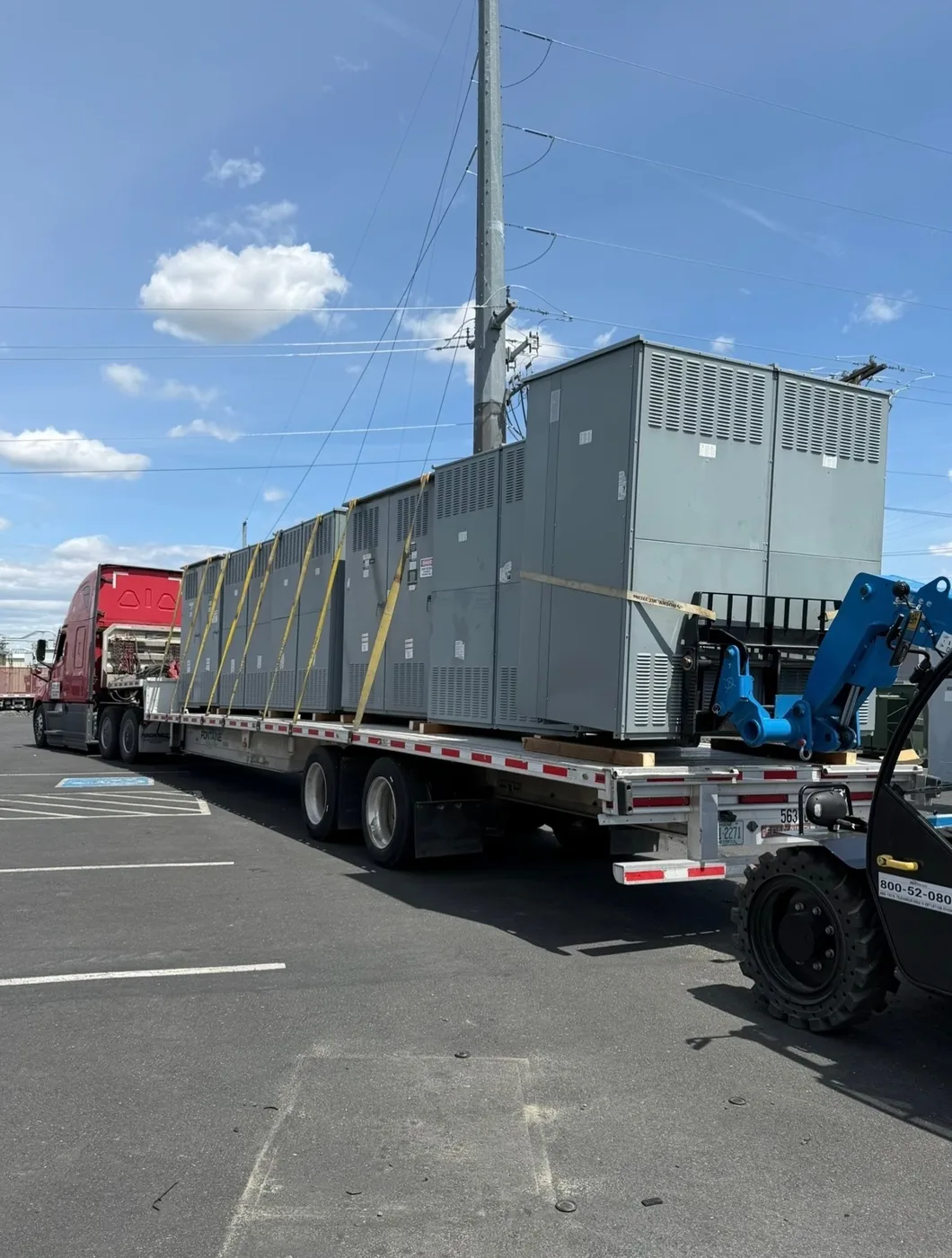
The buyer handles rigging and logistics at its expense, including crane, rigging, disconnects, loading, freight, and hauling. That arrangement can reduce the number of separate removal tasks a seller must coordinate. Still, share any site access rules or scheduling limits already known, so proposed work can be considered alongside the decommissioning plan.
Share Records and Sale Authority
A quote review is easier when the seller can explain who owns the equipment or has authority to arrange its sale. For an asset from a closed facility, identify the organization responsible for disposition and whether an internal approval is still pending. This is useful transaction context, not a request to disclose confidential material or create new paperwork.
Gather existing manuals, one-line diagrams, equipment schedules, nameplate images, maintenance records, and removal notes when available. A list of included components can clarify whether the offer concerns a complete lineup, selected bays, or related accessories. Avoid calling an item included unless ownership and sale scope are clear; note uncertain items separately.
A buyer reviews the information before making a cash offer, and the quote depends on that review. The business pays upfront and buys all voltage classes, but no particular valuation or eligibility should be assumed before equipment details are considered. Sellers are not required to test the switchgear. The seller does nothing but get paid, with removal logistics handled by the buyer.
Make a Focused Quote Request
To request a review from used gas-insulated switchgear buyers in California, summarize the manufacturer and model, provide readable nameplate images, state the quantity and configuration, and share the gas type only when documented. Add any available service history and explain which facts are known, uncertain, or unavailable. This concise account gives the buyer a useful starting point.
Include the facility or general site context, current equipment status, sale authority, and expected decommissioning sequence. Describe access conditions from existing plans or direct knowledge, especially loading routes, overhead limits, and possible crane needs. Mention any required coordination with utilities or other site operators when it applies, without suggesting that an energized system should be handled by the seller.
Ask the buyer to review the available information and explain what additional records, if any, would help evaluate the equipment. Do not wait to arrange testing or gas work; neither is required for a quote request. The buyer can make a cash offer after review, pay upfront, and handle disconnects, rigging, loading, freight, and hauling at its expense.