THE BUYER'S GUIDE / CALIFORNIA
Used Dry-Type Transformers Buyers in California
Start with the changeover logistics
Replacing or decommissioning a dry-type transformer involves more than identifying the unit: access, timing, and its relationship to surrounding electrical equipment can shape the removal plan. A facility preparing for a change can first record what is known and identify who controls access, without undertaking electrical work.
People looking for used dry-type transformers buyers in California can request a review by sharing existing records and visible identification. Useful details include nameplate kVA, primary and secondary voltages, manufacturer, enclosure details, and observed condition. The equipment does not need to be energized or tested for this information to be useful.
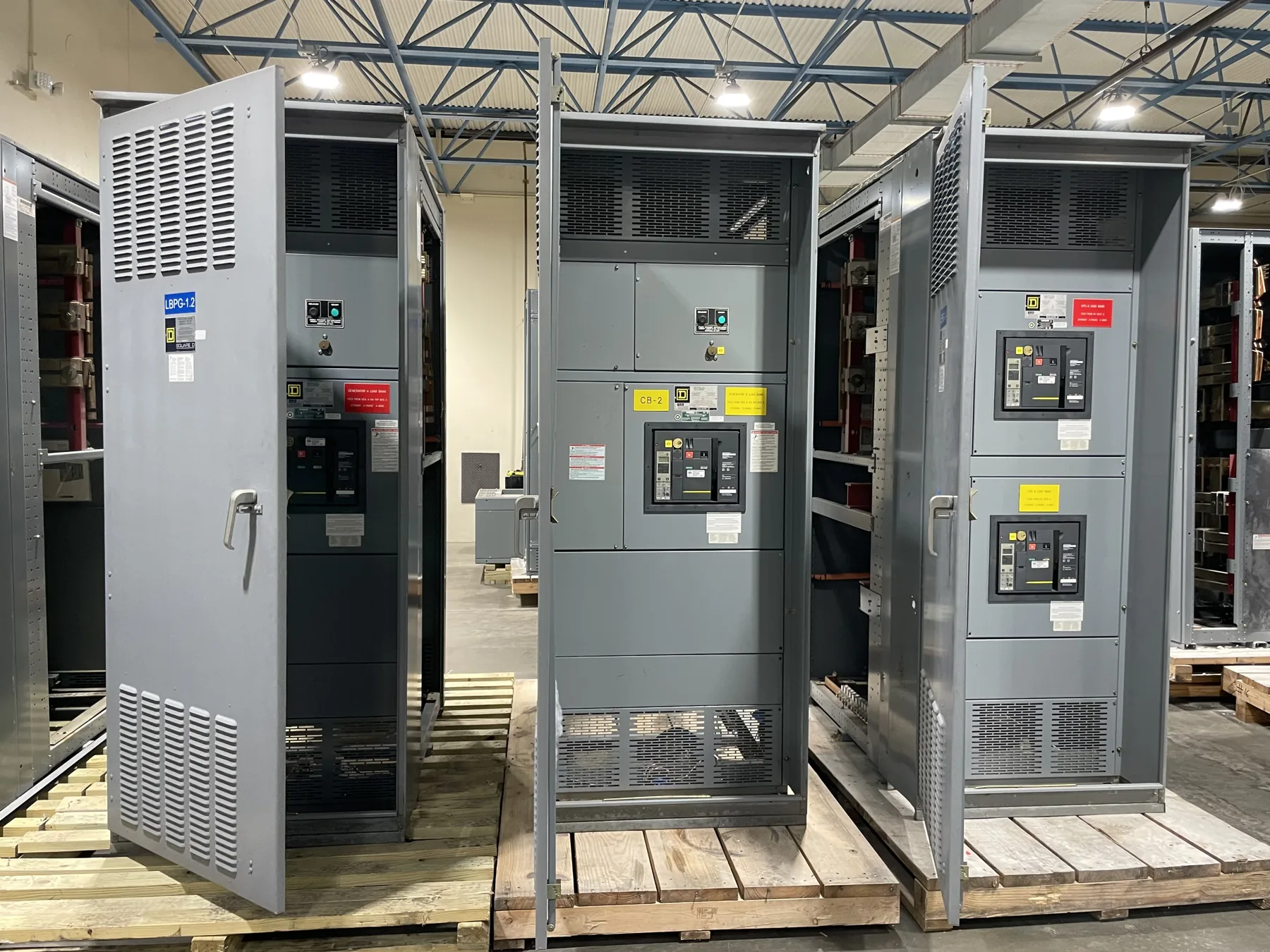
The business buys used and surplus switchgear, including equipment from decommissioned data centers and shut-down power plants. It makes cash offers and pays upfront after reviewing the equipment. Sellers are not required to test transformers, and the buyer handles rigging, disconnects, loading, freight, hauling, and related logistics at its expense.
Read the nameplate information carefully
Nameplate kVA identifies the transformer’s stated capacity, while primary and secondary voltage ratings describe its intended electrical relationship. Share the values as they appear on an existing label or record. If a plate is obscured or unreadable, say so instead of estimating; invented or assumed ratings can misrepresent the unit.
The manufacturer name can help distinguish models, and any legible model or serial information may add useful context. A photograph of the external nameplate can be helpful when taken safely. There is no need to remove a cover, move the transformer, or approach exposed electrical parts to obtain information.
Describe enclosure details based on what is visible or documented, such as whether the enclosure is present and its general configuration. Note any obvious external damage or missing components as observations, not conclusions about internal performance. If condition is unknown, state that plainly; testing is not a condition of asking for a review.
Explain the decommissioning context
A dry-type transformer may be included in a facility shutdown, electrical upgrade, or change in room use. Describe whether it remains installed, has already been removed by qualified personnel, or is awaiting planned work. This helps distinguish an equipment inquiry from a removal inquiry and gives the buyer a clearer picture of the scope.
Where records are available, share the transformer’s former role or the inventory it appears in. A decommissioned data center or shut-down power plant may have multiple units, but each transformer should be described from its own label and records rather than assigned another unit’s ratings. Separate confirmed facts from approximate counts.
Existing maintenance documents or prior inspection notes may be shared if readily available, but sellers do not have to arrange testing or create new reports. A brief account of observed condition and known history is enough to begin a review. Avoid describing a transformer as operational unless that status is supported by information already on hand.
Describe access without performing electrical work
Electrical handling and disconnects must be performed by qualified personnel following applicable safety procedures. Do not work on energized equipment or attempt to disconnect a transformer to obtain a quote. If it remains installed, tell the buyer that it is in place and let the buyer coordinate the required work.
Access information can include the room or general area, route to the loading point, door or corridor restrictions, and any known staging limitations. If a crane, lift, or special access may be relevant, describe the constraint rather than arranging the equipment yourself. The buyer handles rigging and logistics at its expense.
Also mention whether the transformer is indoors or outdoors if known, whether access is shared with active operations, and whether facility coordination will be needed. These details help the buyer understand handling requirements without asking the seller to make technical judgments. Keep descriptions factual and flag unknowns rather than filling gaps with assumptions.
Send details for a considered quote
A practical request can include the nameplate kVA, primary and secondary voltages, manufacturer, enclosure details, observed condition, and available model information. Add photographs of the exterior and label only when they can be taken safely. If multiple transformers are involved, identify each separately or group only those with confirmed matching information.
Include whether the unit is installed or removed, the decommissioning context, approximate quantity, and known access or loading constraints. Existing records can supplement a description, but testing is not required. The buyer reviews the information and equipment details before deciding whether to make an offer.
Any quote depends on that review; it is not a guaranteed valuation, exact price, or assurance of eligibility. The business makes cash offers and pays upfront when proceeding. Sellers do not need to coordinate rigging, disconnects, loading, freight, or hauling: the buyer handles those logistics at its expense, leaving the seller to share information and get paid.