THE BUYER'S GUIDE / CALIFORNIA
Switchgear Buyers in Ventura County, CA
Start With What You Can Identify
Are the equipment labels readable, and can you describe how the switchgear is arranged without opening or operating it? For sellers in Ventura County, those simple observations can make an initial review more useful. A quote depends on reviewing the equipment, so clear information is a practical first step rather than a promise of value.
Record any visible manufacturer, model designation, serial number, and nameplate ratings exactly as shown. Depending on the equipment, a nameplate may identify voltage, current, frequency, or interrupting information. Do not infer missing ratings or copy values from another lineup. If a label is damaged or inaccessible, say so and share the details you can verify.
Describe whether the equipment appears to be a lineup, individual breaker, panel, or another switchgear assembly, using familiar terms where possible. Photographs of exterior labels and overall arrangement can help clarify the description. Avoid removing covers or touching electrical components to obtain a better view; qualified personnel should handle electrical work under applicable safety procedures.
Explain Condition Without Testing
Condition is useful context, but sellers do not need to test equipment for a review. Mention what is already known from records or ordinary visual observation, such as whether the equipment was removed intact, has visible damage, or has been stored. Distinguish confirmed information from estimates so the reviewer can understand the limits of the description.
If maintenance files, prior inspection reports, operating records, or removal documentation already exist, you may share them for consideration. These materials are optional information, not a request that you arrange new testing. If records are unavailable, state that plainly. A missing document is better described as unknown than filled in with an assumption.
For a decommissioned facility, explain whether the switchgear came from a system taken out of service and whether its components remain together. Mention known missing parts, accessories, or control elements, but do not speculate about internal condition. The buyer reviews the available equipment information and makes any offer after that review; no guaranteed valuation follows from a brief description.
Put the Pickup Setting in Context
A pickup location matters because the same equipment may be positioned in a room, yard, loading area, or other setting with different access conditions. Provide the county-level location and the actual pickup address or facility details privately when requesting a review. Do not publish sensitive site information unnecessarily, and identify any access restrictions that a removal plan would need to respect.
Useful access details include the equipment’s approximate position, the route from that position to an exit, door or gate constraints, stairs, overhead clearance, and whether a loading area is available. Share known measurements only when they have been checked; estimates should be labeled as estimates. Photos of the route can help explain conditions without requiring anyone to approach energized equipment.
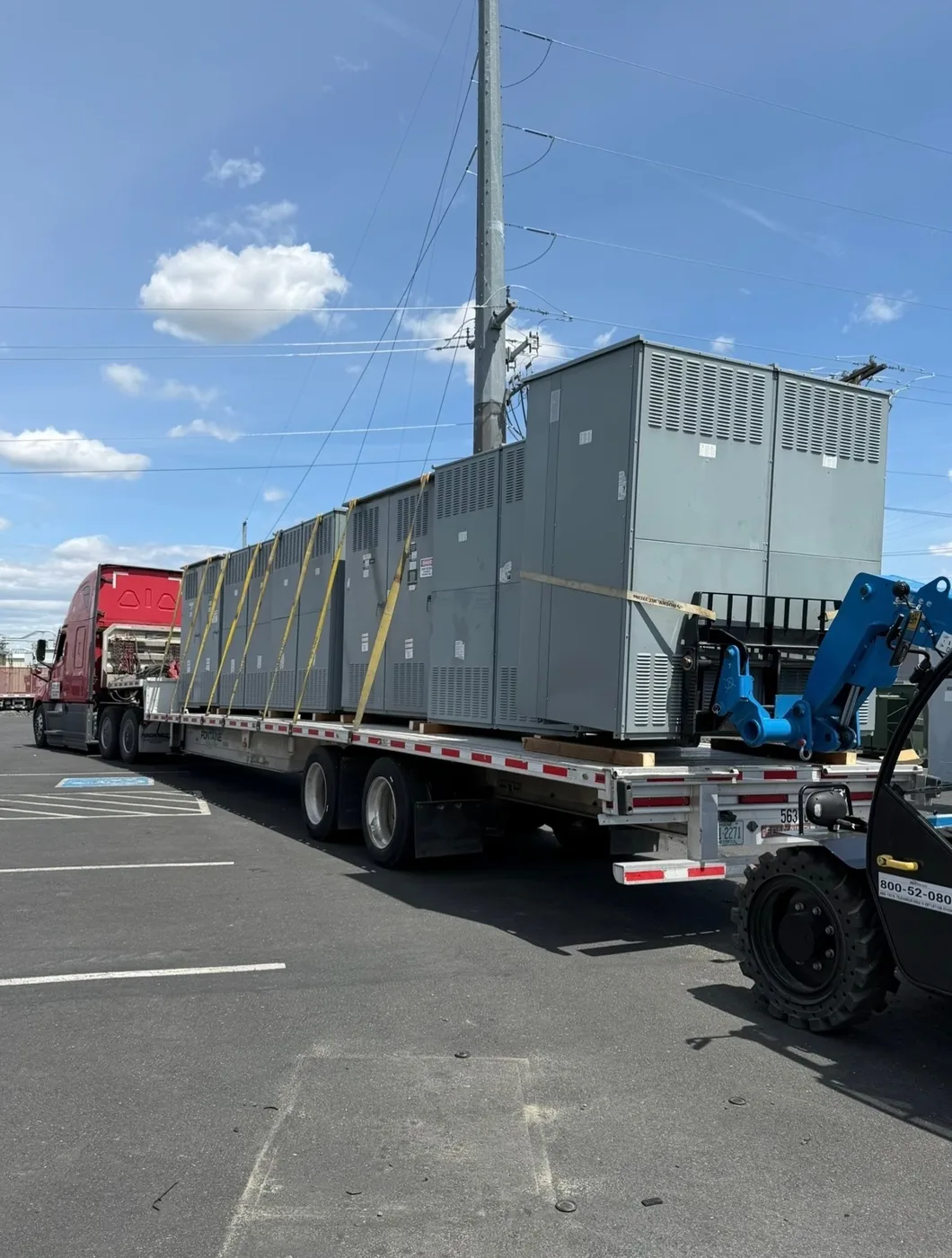
The buyer handles rigging and logistics at its expense, including crane, rigging, disconnects, loading, freight, and hauling. Electrical handling and disconnects belong to qualified personnel following applicable safety procedures. Sellers should not attempt energized work or dismantling. Describe the access situation, then let the buyer coordinate the required work and transport rather than arranging those services yourself.
Prepare a Clear Equipment Description
A concise description can connect the nameplate details, condition, quantity, and location in one account. For example, identify the visible equipment type, list verified ratings, note whether components appear together, and say where the equipment is located. This helps distinguish a complete lineup from separate surplus pieces without claiming completeness you cannot confirm.
If multiple units are involved, explain how many are present and whether the labels or condition differ between them. Keep each unit’s identifying information linked to its own photograph or written description. A mixed group should not be summarized using one unit’s ratings. This care helps the reviewer assess what is actually available rather than relying on a broad category name.
Do not clean, energize, dismantle, or test equipment just to improve a quote request. Share existing information and explain gaps honestly. The buyer purchases used and surplus switchgear across all voltage classes, including equipment from decommissioned data centers and shut-down power plants. That scope does not guarantee acceptance or a particular offer; each quote depends on reviewing the specific equipment.
Request a Review and Coordinate Next Steps
To request a quote as a seller in Ventura County, provide the equipment description, readable nameplate details, known condition, available records, photographs, quantity, and pickup setting. Include practical access information and note what remains uncertain. A focused request allows the buyer to review the actual switchgear rather than make assumptions from the county or equipment category alone.
The business makes cash offers and pays upfront when proceeding with a purchase. Sellers are not required to test the equipment. If the review supports an offer and the transaction proceeds, the buyer handles the rigging and logistics at its expense, including disconnects, loading, freight, and hauling. The seller’s role is to provide information and get paid.
Keep the equipment in the state described while the review is underway, and communicate any change in quantity, access, or known condition. Do not perform electrical work to prepare it. Qualified personnel must handle electrical procedures, and the buyer coordinates that work. A quote is based on review, so share accurate facts and ask about any detail you cannot confidently identify.