THE BUYER'S GUIDE / CALIFORNIA
Switchgear Buyers in Kern County, CA
Start With the Equipment’s Current Position
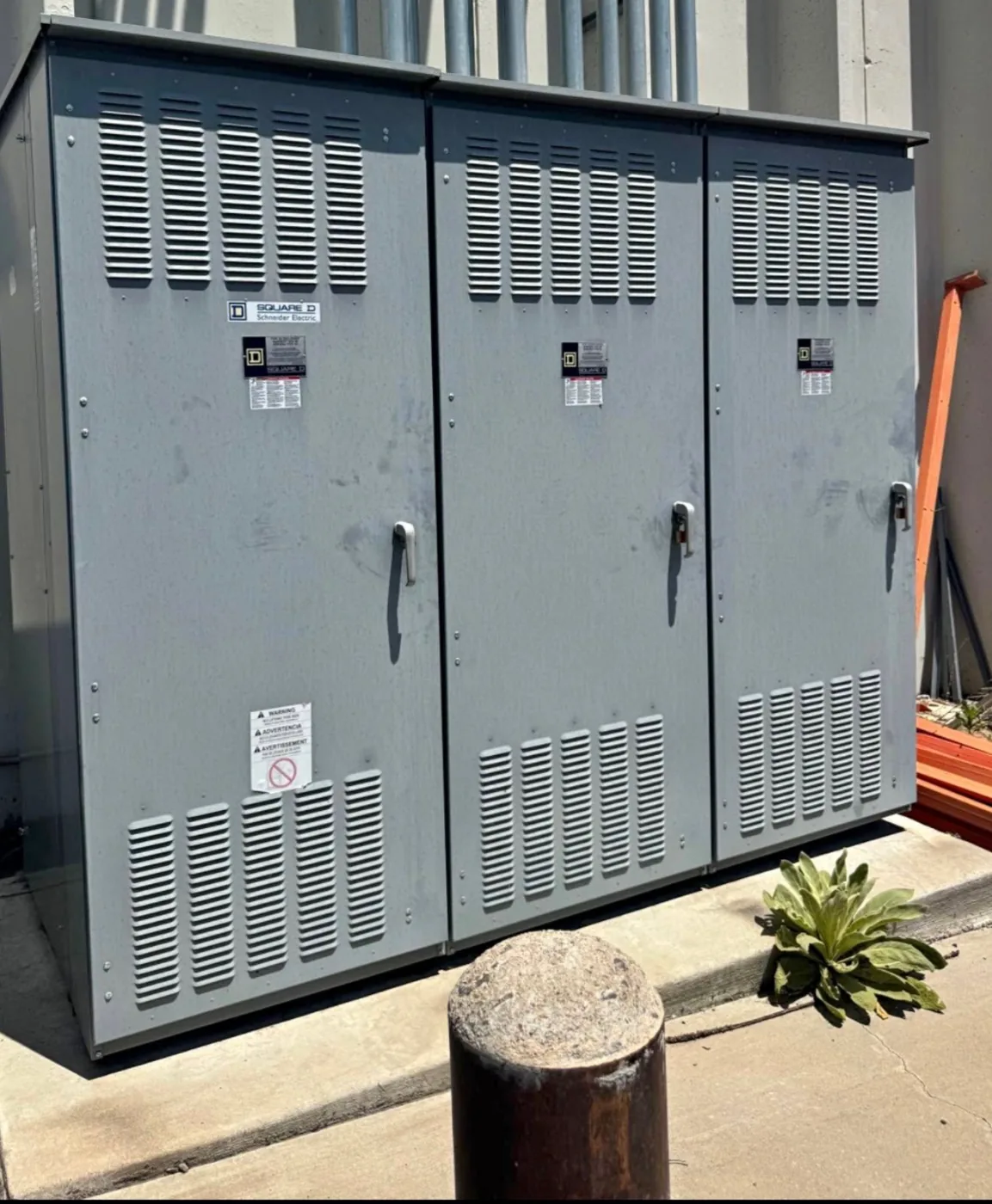
Before planning removal, establish where the switchgear sits and what information is already available. A seller in Kern County may have equipment still installed, isolated for a facility project, or stored after removal; those circumstances affect how pickup can be considered. There is no need to test the gear to begin a review.
Describe whether the equipment is a lineup, individual cabinet, breaker, or collection of related components, using labels or records where possible. Identify the manufacturer and model if visible, and transcribe nameplate ratings exactly rather than filling gaps from memory. Voltage class is useful, and the buyer considers switchgear across all voltage classes.
Mention whether the nameplate is accessible without opening a cabinet or entering a restricted area. Existing photographs can be helpful if captured safely from an appropriate location. Do not move barriers, remove covers, or approach energized equipment for additional details. Electrical handling and disconnects belong to qualified personnel following applicable safety procedures.
Make Ratings and Condition Understandable
Nameplate details help distinguish equipment that may look similar but has different ratings or configurations. Depending on the label, relevant information may include voltage, current, frequency, and interrupting rating. If a field is illegible, note that plainly. A careful transcription is more useful than a guessed specification, particularly when records describe multiple sections.
Describe the visible condition in practical terms: whether cabinets appear complete, whether doors or components are missing, and whether any damage is apparent. Separate what you personally observe from what an inventory or maintenance record states. If service history is unknown, say so. A buyer can review uncertainty; a seller should not claim that untested equipment works.
No seller testing is required. If test reports, drawings, or maintenance files already exist, they may be shared as background, but generating new documents is not a condition of making an inquiry. Accurate descriptions help the buyer determine what further information, if any, would be useful before reviewing a cash offer.
Explain Surplus Origin and Scope
Switchgear can become available after an upgrade, a change in electrical requirements, or a facility closure. If the equipment is surplus from a decommissioned data center or a shut-down power plant, that known context may explain the timing and whether a larger group of equipment is being considered. Do not imply a particular facility type if you do not know it.
Clarify whether the inquiry covers one section or a larger group, and identify related breakers or accessories only when you can distinguish them. If the lineup is incomplete, describe the known gaps. Such details matter because the review concerns the actual equipment being offered for consideration, not an assumed standard configuration.
For sellers in Kern County, the pickup location should be specific enough to discuss access, but there is no need to publish sensitive facility information in a general description. A secure, appropriate way to provide location details can be arranged during the inquiry. The business buys used and surplus switchgear and makes offers after reviewing the information provided.
Share Access and Handling Constraints
A location description should explain the practical route to the equipment, not just name a city or facility. Note whether loading access is level or constrained and whether the gear is in a basement, elevated area, or secured room, if known. Mention stairs, low clearances, tight turns, or site entry rules that could affect rigging and freight planning.
The buyer handles logistics at its expense, including crane, rigging, disconnects, loading, freight, and hauling. The seller does not need to arrange or pay for those services. However, site access and coordination still matter, so share known restrictions and identify who can authorize entry or coordinate with facility operations.
Do not disconnect energized equipment or attempt to move heavy cabinets. Qualified personnel must carry out electrical handling and disconnects under applicable procedures, and the buyer handles the work. If the equipment is still in service, explain that fact so safe coordination can be considered before any removal arrangements are discussed.
Send a Focused Quote Request
A complete first request can be concise while still answering the important questions: what equipment is present, what labels say, how much is included, what condition is known, and where pickup would occur in Kern County. Attach safe exterior photographs or existing records if available. Mark unreadable fields and uncertain details instead of making assumptions.
Include decommissioning or surplus context only when it is accurate, and state whether the switchgear remains installed, has been disconnected by qualified personnel, or is already staged. No testing is required, and the seller does not have to create inspection results. The buyer reviews the information before deciding whether to make an offer.
The business makes cash offers and pays upfront when a purchase is agreed. It buys all voltage classes and handles rigging and logistics at its expense, including disconnects and hauling. A request should ask for a review of the specific equipment, rather than assume a guaranteed valuation, eligibility, price, or exact response time.