THE BUYER'S GUIDE / CALIFORNIA
Switchgear Buyers in San Diego County, CA
Plan Around the Decommissioning Sequence
When a facility in San Diego County is preparing to retire electrical equipment, the switchgear decision often sits alongside shutdown scheduling, space clearance, and coordination with other contractors. Sharing where the equipment fits in that sequence helps a buyer understand when it may become available and what pickup planning will involve, without requiring you to test it.
Switchgear buyers in San Diego County, CA consider used and surplus equipment from many circumstances, including a facility upgrade, a partial replacement, or a decommissioned data center or shut-down power plant. The equipment’s origin is useful context, but it does not establish condition or value by itself. A clear description lets the buyer review the actual equipment rather than make assumptions.
If removal work has not begun, say whether the gear is installed, isolated, disconnected, or already staged, to the extent you know. Do not approach or handle energized equipment to gather details. Electrical work and disconnects belong to qualified personnel following applicable safety procedures; the buyer handles disconnects and related logistics at its expense.
Describe the Gear You Have
Start with the equipment type and approximate scope: for example, whether you are describing a lineup, a group of sections, or separate switchgear assemblies. State how many pieces or sections you believe are included, and distinguish switchgear from other electrical equipment if you can. If the exact configuration is uncertain, say so rather than assigning a model or rating from memory.
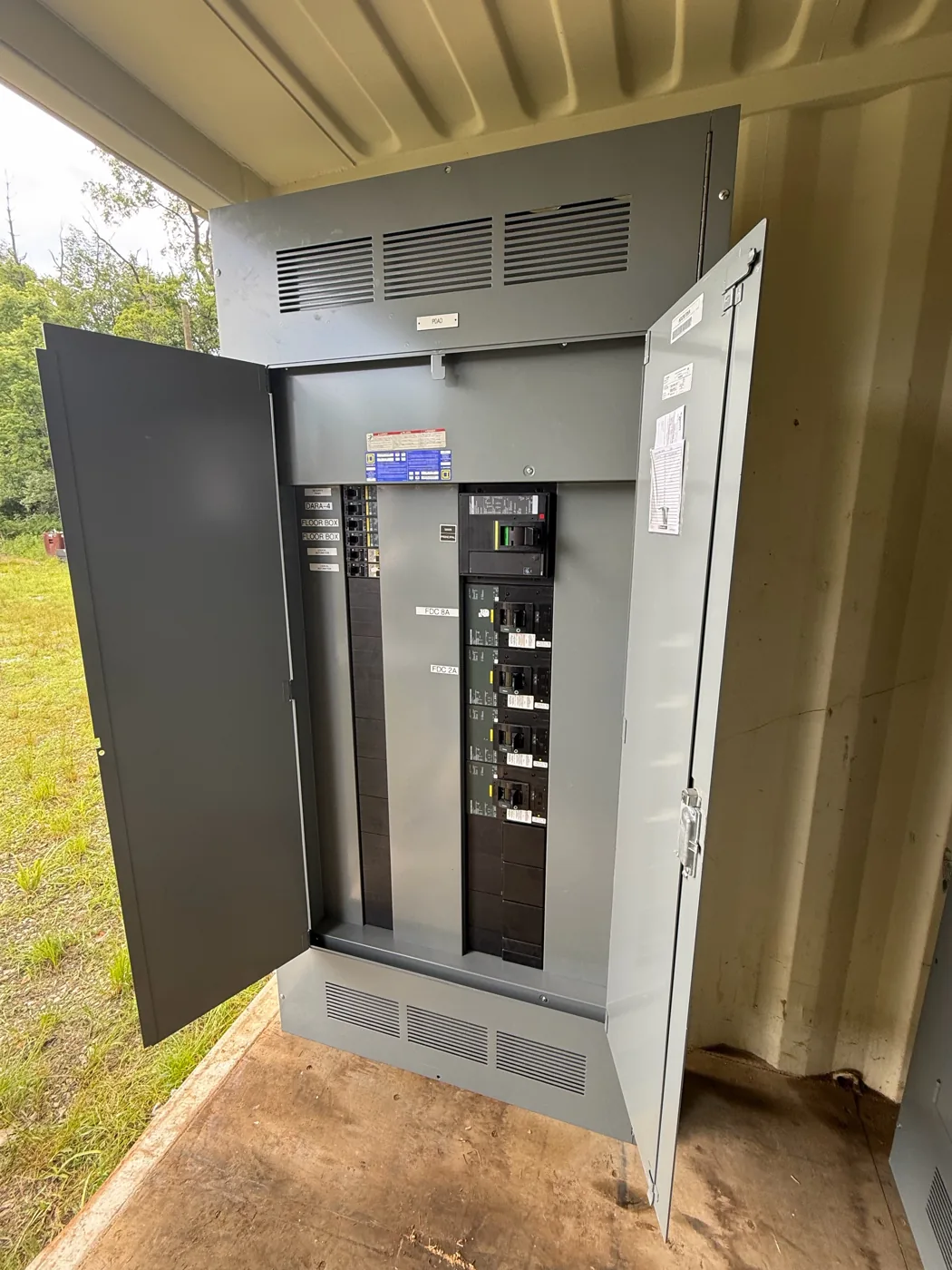
Nameplate information can make a review more precise. If accessible without unsafe work, share the manufacturer, model, serial number, voltage class, and other legible ratings shown on the equipment. A photograph of the existing plate or a transcription can help, but do not remove covers, enter restricted areas, or energize equipment to obtain a reading. The buyer purchases all voltage classes.
Describe visible condition in straightforward terms: complete or missing sections, apparent damage, corrosion, storage conditions, or known modifications. Include whether documentation, spare parts, or operating manuals are available, but do not treat any item as guaranteed or required. Buyers need a useful account of what is present; they do not need you to perform tests or certify performance.
Share What Is Known About Condition
Condition information is most helpful when it separates direct observation from uncertainty. For instance, explain that equipment has been stored indoors if you know that, or that the storage history is unclear if records are unavailable. Mention known repairs or changes only when you can identify them. Avoid turning an unverified recollection into a claim about operational readiness.
You do not need to test switchgear before requesting a quote. If test reports, maintenance records, drawings, or inspection notes already exist, you may share copies for review. Their absence does not mean you should arrange new testing. The buyer reviews the available information and the equipment description to determine whether it can make an offer.
If equipment is still part of a functioning facility, coordinate any information gathering with the facility’s responsible personnel. Never open or work on energized gear for a photograph or rating. Any electrical handling or disconnect must be completed by qualified personnel under applicable safety procedures, and the buyer handles the disconnect work as part of its logistics.
Explain Pickup Access in San Diego County
Give the pickup location within San Diego County as specifically as you can in the quote request, without assuming that a county-wide label is enough for freight planning. Describe the site type only as relevant to access, such as a secured facility or a location with scheduled entry. Do not publish sensitive access instructions; explain that arrangements can be coordinated after review.
Useful access details include the equipment’s floor or area, door dimensions if known, loading-dock availability, stairs, distance to a truck position, and any limits on vehicle access. If a crane or special rigging may be needed, describe the known constraints rather than selecting equipment yourself. The buyer handles rigging, crane work, loading, freight, and hauling at its expense.
Also note whether the equipment is installed or staged and whether the site has a planned removal window. These details affect the practical scope of pickup and coordination, not the equipment’s nameplate ratings. The seller does not need to arrange a carrier or pay for hauling. Qualified personnel must handle electrical work and disconnects safely; the buyer takes responsibility for those logistics.
Request a Review and Cash Offer
To request a quote, bring together the equipment description, any readable nameplate details, known condition, available documents, and pickup location. Include a few overall photographs only if they can be taken safely from an accessible position. If a detail is unavailable, identify it as unknown; a candid gap is more useful than an invented specification.
The buyer reviews the information before making an offer, so no price or eligibility should be assumed in advance. It buys used and surplus switchgear across all voltage classes, including equipment from decommissioned data centers and shut-down power plants. It makes cash offers and pays upfront when a purchase is agreed, without requiring sellers to test the equipment.
In your request, state who can answer questions about the equipment and when the site expects it to be available. The buyer can then review the details and discuss the next steps for access and removal. It handles disconnects, rigging, crane, loading, freight, and hauling at its expense. The seller’s role is to share available information and get paid.