THE BUYER'S GUIDE / CALIFORNIA
Switchgear Buyers in Orange County, CA
Decide What Information to Share First
Before arranging a removal, an Orange County equipment owner can ask switchgear buyers in Orange County, CA, to review what is known about the gear. You do not have to solve every technical question first. A short description, any existing records, and a clear pickup location give the buyer a starting point for considering the equipment.
Begin with the reason the switchgear is available and the scope you may be offering. It might be surplus from an upgrade, part of a facility closure, or a lineup being replaced. If those circumstances are not settled, describe the current plan as provisional. The buyer can review the information without treating an early inquiry as a final removal decision.
The business buys used and surplus switchgear from a range of settings, including decommissioned data centers and shut-down power plants, and buys all voltage classes. A cash offer depends on reviewing the equipment. Sharing information starts that review; it does not establish a guaranteed valuation, eligibility, or pickup date.
Identify the Gear From What Is Visible
Use existing nameplates, manufacturer labels, model references, inventories, and drawings to describe the equipment. Include readable ratings, such as voltage class, without supplying values you cannot verify. If labels are missing or cannot be accessed safely, report that limitation rather than guessing. These distinctions help a buyer understand what is documented and what remains uncertain.
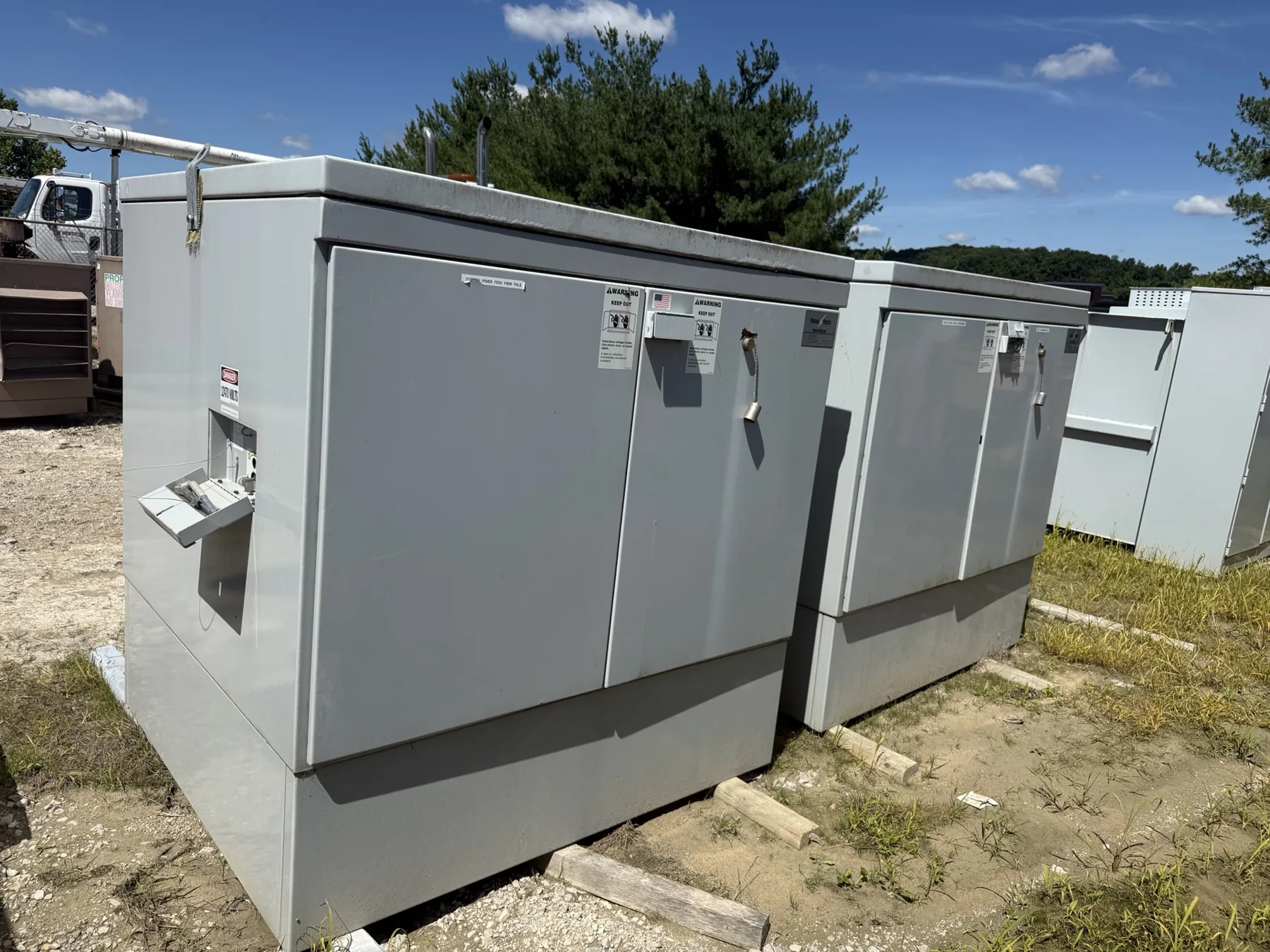
Clarify whether the equipment is one complete lineup, several connected sections, or a group of separate components. If known, describe how the offered portion relates to sections that will remain at the facility. Existing photographs can make layout easier to understand, but only take or share images from a safe position without opening gear or approaching exposed electrical parts.
A simple condition account is enough for an initial review. Describe visible missing doors, incomplete sections, or apparent external damage only when observed. Do not test operation, remove covers, or make assumptions about internal condition. Testing is not required, and electrical handling or disconnects must be performed by qualified personnel following applicable safety procedures.
Make Condition Notes Useful
Condition information is most useful when it separates direct observation from history or opinion. For example, state whether the lineup remains installed, has been removed, or is stored, if you know. If a service record or prior inspection already exists, you can mention it and share the document where appropriate; you are not being asked to arrange new testing.
Explain any known gaps in the equipment group. A missing section, a separate breaker, or a control component not included in the offer could change what the buyer believes is available. Use labels or an existing inventory to identify pieces when possible. If a part cannot be identified, describe where it sits and leave the technical interpretation open.
Avoid promising working condition based solely on appearance or past operation. A clear statement such as “no current test information is available” is more reliable than an unsupported assurance. The buyer will review the description and may ask questions. That process should not involve the seller working on energized equipment or opening electrical assemblies.
Plan Around the Actual Pickup Location
Describe the pickup location in practical terms for an Orange County site: where the switchgear is within the property, how the loading area is reached, and any access procedures already known. Note relevant constraints such as indoor placement, a restricted entrance, stairs, or limited loading access only if they apply. These details help a buyer evaluate coordination needs before removal planning.
If the lineup is still connected or sits near other operating equipment, say so based on what you know and do not attempt a disconnect. Electrical work and disconnects belong to qualified personnel following applicable safety procedures. The buyer handles the work, and sellers should never work on energized equipment to prepare it for pickup.
The buyer handles rigging and logistics, including crane, rigging, disconnects, loading, freight, and hauling at its expense. Sharing access facts does not mean the seller must hire a crane or arrange transport. It also does not guarantee a particular removal method or schedule; those details can be discussed after the equipment is reviewed.
Request a Review Without Testing
A practical quote request can bring together the equipment description, readable nameplate details, included components, visible condition, availability context, and pickup location. Include existing documents or safe exterior photographs when they help explain the setup. Mark estimates as estimates, and identify unanswered questions instead of filling gaps with invented ratings or technical conclusions.
Ask the buyer to review the information and say whether anything else would help assess the switchgear. The business makes cash offers and pays upfront, with any offer dependent on reviewing the equipment. No testing is required. A request is not a promise of price, eligibility, or exact timing, so keep the inquiry factual and allow for follow-up.
If the review supports an offer and the parties proceed, removal details can be coordinated around the site’s access conditions. The buyer handles rigging and logistics at its expense; the seller does nothing but get paid. To make an Orange County request actionable, clearly state what equipment is included, what is known about its condition, where it is located, and which records are already available.