THE BUYER'S GUIDE / CALIFORNIA
Sell Used Switchgear in Yuba County, CA
Start With What You Know
If you want to sell used switchgear in Yuba County, CA, a useful first step is to describe the equipment and its current status before anyone discusses freight or removal. A buyer can review existing information about the lineup, its condition, quantity, ownership, and site access. You do not need to test the gear or prepare it for shipment to request a review.
Separate confirmed details from open questions. You might know the equipment count and where it is located, while not knowing its exact configuration or whether every section remains complete. Say which points are verified and which are uncertain. That distinction helps the buyer assess the opportunity without treating an estimate or assumption as a fact.
The business buys used and surplus switchgear, including equipment from decommissioned data centers and shut-down power plants, and makes cash offers after reviewing the equipment. If a purchase is agreed, payment is upfront. An offer alone does not trigger payment, and a quote depends on the information available for review rather than a guaranteed valuation.
Consider the Decommissioning Stage
Switchgear can become surplus when a facility changes its electrical system, closes, or completes a decommissioning plan. If equipment in Yuba County is being removed as part of such a change, explain whether it is still installed, already disconnected, or being held for a later release. These details establish the equipment’s present status without requiring technical work from you.
A short description of the facility’s schedule can also help distinguish equipment that is ready for discussion from equipment that cannot yet be released. Share a known target date or collection window if one exists, and identify any approval or access limits you already know about. If dates are unsettled, state that plainly rather than making a commitment.
Do not approach or open energized equipment to gather details. You are not expected to test it, inspect its interior, or arrange electrical work. Electrical handling and disconnects belong to qualified personnel following applicable safety procedures; if a purchase is agreed, the buyer handles and pays for disconnects as well as the other removal logistics.
Describe Equipment and Ownership
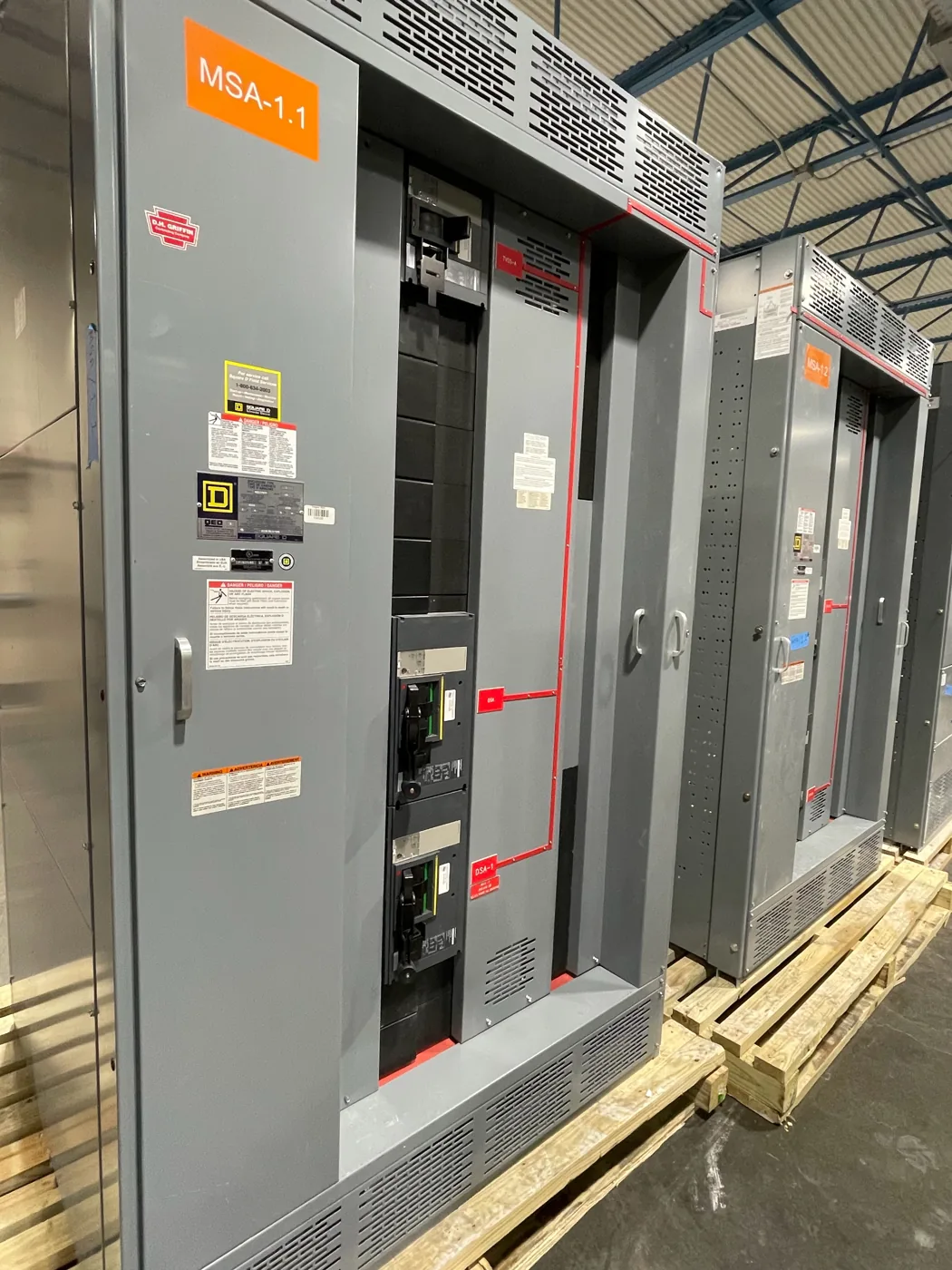
For a useful review, share the equipment count, general type, and any existing identification information you can access safely. Existing records may include exterior nameplate details, documents, or an inventory prepared for facility planning. If the exact model or configuration is unclear, say so. The goal is to describe what is actually known, not to reconstruct missing information.
Explain the known condition in ordinary terms: for example, whether the equipment is installed, stored, visibly incomplete, or associated with a known service history. Do not present unverified assumptions as confirmed condition. You can also mention whether breakers, spare sections, or related pieces are included when that information is already available, because the contents of a lot affect how it is understood.
Confirm that you have authority to discuss the equipment or identify who can verify ownership and approve its release. A known owner, responsible organization, or approval process helps establish that a sale can be considered. If ownership or release authority is still being checked, state that it is pending. No testing is required, and the business buys across all voltage classes.
Plan Access Without Taking on Removal
Information about truck or crane access is useful because it helps frame how a collection might be coordinated. Share what you already know about the approach to the building, available loading areas, gates, clearance limits, or scheduling restrictions. If you do not know whether a truck or crane can reach the equipment, mark that as unknown instead of arranging a site survey on your own.
It can help to explain whether the switchgear is at grade or on another floor, whether a loading route is known, and whether access depends on facility permission. These are planning facts, not tasks you must solve before asking for a quote. You do not need to hire a rigger, disconnect equipment, load it, or book transportation.
If a purchase is agreed, the buyer handles and pays for crane, rigging, electrical disconnects, loading, freight, and hauling. Qualified personnel perform electrical work under applicable safety procedures. Keep people away from energized equipment, and do not open enclosures or take photographs if doing so would be unsafe. The seller’s role is to share existing information and receive payment once the purchase is agreed.
Request a Review With Clear Facts
To request a quote, send a concise account of the equipment in Yuba County: its location, count, known type or identification, known condition, ownership status, and any truck or crane access limits you already know. Include the decommissioning or release status if relevant. Clearly label uncertain details, and avoid delaying the request while trying to obtain information that is not available.
Existing exterior or nameplate photographs may help if they are already available and safe to share, but photographs are optional. Do not open a cabinet, approach energized equipment, or take a picture from an unsafe position. If no suitable image exists, a written description is enough to begin a review. You are not required to test the switchgear.
The buyer reviews the information before making an offer, so the quote is not a guaranteed price or a promise of eligibility. If both sides agree to a purchase, payment is upfront and the buyer manages and pays for removal logistics. A straightforward request—supported by what you know and honest about what remains unknown—gives the discussion a practical starting point.