THE BUYER'S GUIDE / CALIFORNIA
Sell Used Switchgear in Imperial County, CA
Describe the Lineup in Sections
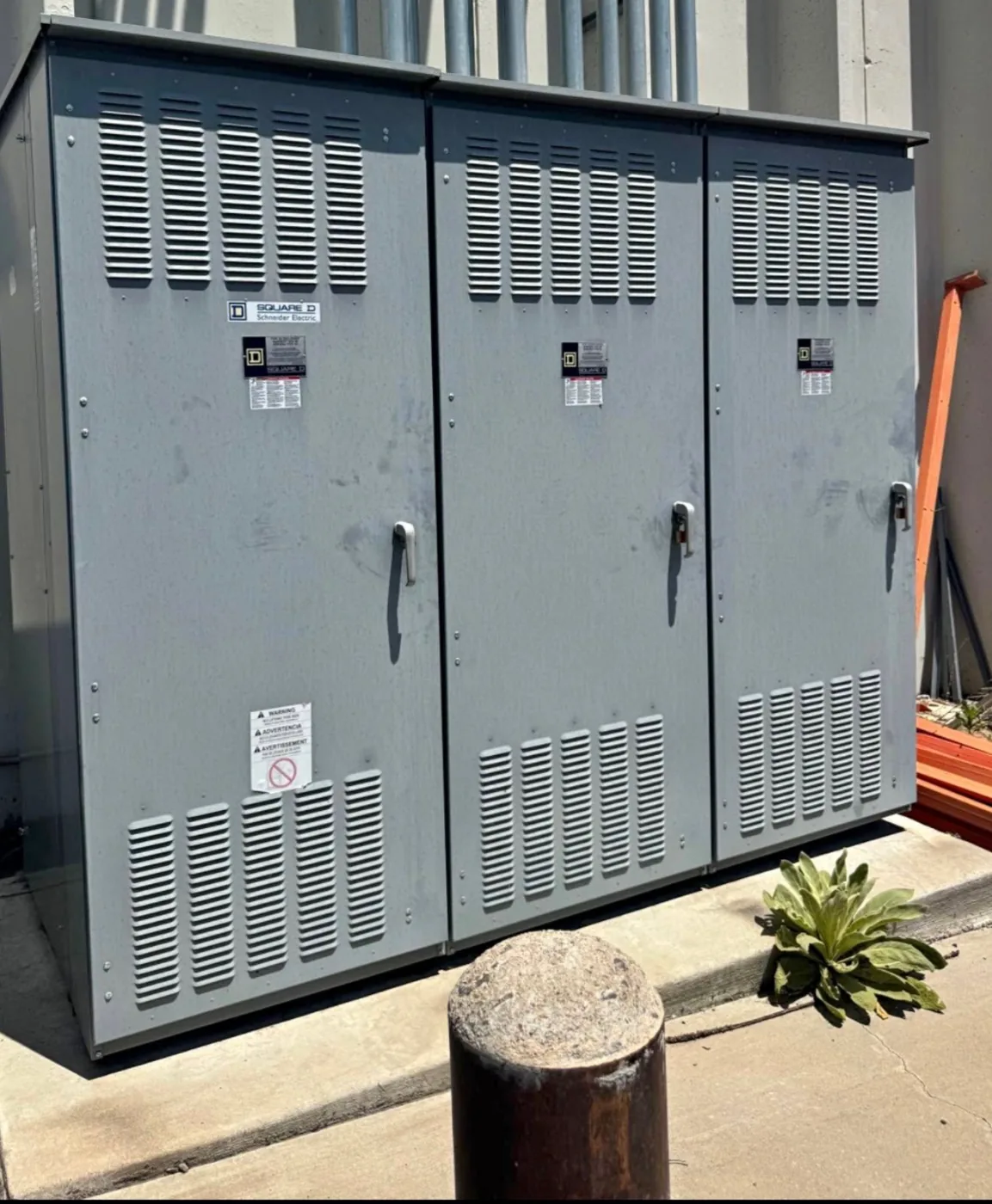
When preparing to sell used switchgear in Imperial County, start by explaining what makes up the lineup. State the number of sections if known, whether related sections are included, and whether the equipment remains installed or has been removed. These details help a buyer understand the scope without requiring you to identify every internal component.
Use existing records or safely visible exterior nameplates for manufacturer, model, and available ratings. If a rating is not recorded or cannot be read without approaching the equipment, leave it unknown. All voltage classes are considered, so incomplete rating information does not require you to guess or abandon an inquiry.
A section count is useful because a description of a single lineup may otherwise be ambiguous. If the count is approximate, say so and explain what you included in the estimate. Do not open enclosures or inspect energized equipment to settle a question. An accurate account of what is known is more useful than unsupported precision.
Explain What Is Known About Condition
Condition information should reflect existing knowledge rather than a new inspection. You might explain whether the gear is still installed, stored, or awaiting removal, and mention visible exterior damage if it has already been noticed safely. If no condition review has occurred, say that plainly; do not imply that the equipment has passed tests or is defective.
A facility change can make equipment surplus even when its technical status is not fully documented. If the switchgear comes from a decommissioned data center, shut-down power plant, or another operation, the source may provide context, but it does not establish a particular condition. Records already available can help describe the equipment without creating new reports.
Seller testing is not required. Never approach or open energized switchgear, remove covers, or photograph interior components. Electrical handling and disconnects belong to qualified personnel following applicable safety procedures. Optional photographs should be limited to safely visible exterior labels, and no photograph is necessary if it cannot be obtained safely.
Gather Existing Identification Details
An equipment schedule, inventory, or prior facility record may help connect a lineup to its nameplate information. Share the manufacturer, model, and available ratings only when documented or safely visible. If the records are incomplete, indicate which details are known and which have not been confirmed, rather than filling gaps with an estimate that looks definite.
You can also describe whether the lineup appears complete based on existing records or ordinary observation from a safe distance. Avoid claims about internal components, operational performance, or tested condition unless that information is already documented. A buyer’s review depends on the equipment and details presented, so clarity about the limits of your knowledge matters.
If the equipment is still installed, say so and provide any known release timing. If it has been removed, explain where it is stored and what access information is already available. Those practical facts help frame a review and potential collection plan without asking you to disconnect, move, or prepare the gear.
Discuss Access Before Removal
Access matters once the equipment’s identity and scope are understood. For an Imperial County facility, share existing information about the floor level, gate procedure, loading route, or available vehicle access if you know it. Do not assume a crane can reach the equipment or that a route is usable; distinguish documented conditions from questions that still need coordination.
The collection window may depend on decommissioning, a lease transition, or another facility schedule. State the known date or range and whether it is fixed or provisional. If no date is set, say that. You do not need to arrange a crane, rigging, electrical disconnects, loading, freight, or hauling to request a review.
If a purchase is agreed, the buyer handles and pays for those logistics. Electrical disconnects and related handling are performed by qualified personnel following applicable safety procedures. Do not move or approach energized switchgear to answer an access question. Existing site information can start planning, and unknown conditions can be addressed during coordination.
Request a Review Based on Facts
A focused inquiry can include the number of lineup sections, whether the equipment is still installed, available nameplate ratings, any known condition, and the timing for release. Attach an existing inventory or safe exterior label photograph if available, but do not create new images or open equipment to complete the request. State clearly when a detail is not known.
The buyer reviews the equipment before making an offer, so the information should describe the actual lineup rather than suggest a guaranteed price. The business buys used and surplus switchgear across voltage classes, including equipment from decommissioned data centers and shut-down power plants. A quote depends on review; an inquiry or offer alone does not guarantee eligibility or payment.
If the purchase is agreed, payment is upfront. The buyer also handles and pays for crane, rigging, qualified electrical disconnects, loading, freight, and hauling. You can begin by sharing existing records and a concise description of the lineup, then clarify which details are confirmed, approximate, or unknown. Seller testing is not part of the request.