THE BUYER'S GUIDE / CALIFORNIA
Sell Used Switchgear in Calaveras County, CA
Decide Whether Surplus Gear Is Ready
When switchgear is no longer needed, the first decision is often whether it can be discussed as a surplus asset now or only after a facility change is complete. If you want to sell used switchgear in Calaveras County, CA, describe what is known about its status and release. The buyer can review existing information before removal details are settled.
A release date, approval, or shutdown milestone may be confirmed, tentative, or unknown. Mark which is which. This matters because a buyer’s review of equipment does not itself authorize access or removal. If the equipment belongs to an organization or is managed by another party, identify who can confirm ownership and approve a sale.
The business buys used and surplus switchgear, including equipment from decommissioned data centers and shut-down power plants. It makes cash offers after reviewing the equipment. If a purchase is agreed, payment is upfront; an offer alone does not cause payment, and no exact valuation can be promised before review.
Describe Condition Without Testing
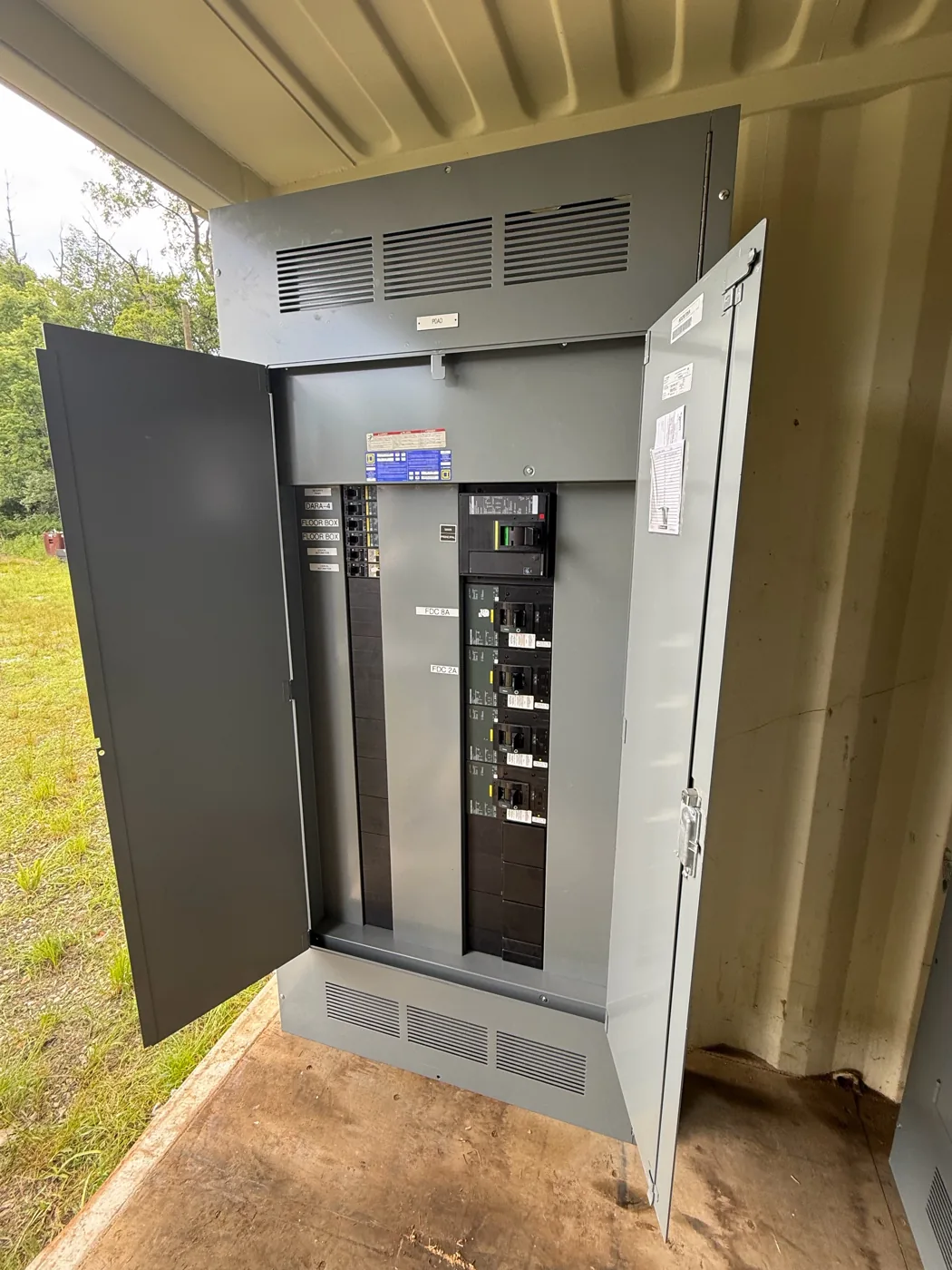
A useful condition summary can be simple and factual. Say whether the switchgear is installed or stored, whether its exterior appears complete, and whether any known issue is recorded. If the description comes from an old inventory or another person’s account, identify that source as existing information rather than presenting it as a recent inspection.
Include any known equipment count and the general arrangement of the lineup. If breakers or separate sections may be part of the lot, distinguish what is confirmed from what still needs verification. This makes the scope of the possible sale clearer and avoids treating a partial inventory as a complete account.
Testing is not required to request a review. Do not energize, operate, open, or approach equipment to produce condition details. Electrical handling belongs to qualified personnel following applicable safety procedures. The buyer buys all voltage classes, and safely available records or exterior observations can support an initial discussion without asking the seller to perform electrical work.
Use Existing Identification Information
Share information already recorded on exterior labels, asset inventories, facility documents, or maintenance records. A general description of the equipment and any safely visible nameplate details can help distinguish one lineup from another. Do not make up a model, rating, or configuration if records are missing or a label cannot be read.
The age, manufacturer, voltage class, and configuration may be unknown, and it is better to say so than to infer them. The buyer can review what is available and ask about gaps. Never open a cabinet or remove a cover to look for a label, and do not take a photograph from a position that could expose you to electrical hazards.
Where a site is being decommissioned or equipment is being replaced, existing project records may clarify what is included and when it can be released. Share only documents or facts already available to you. A quote depends on reviewing the equipment; identification helps that review, but it does not guarantee a valuation or establish that every item will be included in a purchase.
Describe the Collection Setting
Collection planning can be easier when the buyer knows the practical setting in advance. If you know the facility release date, gate access arrangements, floor level, or loading route, include those details. They help frame how equipment could be reached and when a visit or removal might be considered, without requiring you to create a logistics plan.
If a gate requires prior approval, a route is restricted, or equipment is not at grade, state what is known and what remains unconfirmed. Do not enter a restricted area, arrange a crane, or measure a route solely to answer an initial inquiry. If the site’s access information is incomplete, an honest note of that uncertainty is useful.
When a purchase is agreed, the buyer handles and pays for crane, rigging, electrical disconnects, loading, freight, and hauling. Electrical disconnects must be completed by qualified personnel following applicable safety procedures. The seller is not expected to hire those workers or prepare the switchgear for collection, and must not approach energized equipment.
Ask for a Review With a Clear Scope
A practical quote request can state the location in Calaveras County, the known quantity, general equipment description, condition, ownership or release status, and any existing information about facility access. Include a confirmed release date if there is one. If the date, floor level, gate access, or loading route is unknown, say so rather than leaving the buyer to assume.
Existing exterior photographs or label images may be shared if they are already available and safe to obtain. They are optional. Do not open equipment or take pictures near energized parts; no photograph is needed if obtaining one would be unsafe. Written records and a plain description can be enough to begin a review.
The buyer considers the information before making an offer, so the result is not a guaranteed price or purchase. If both parties agree, payment is upfront and the buyer pays for and manages the removal logistics. Share what you can verify, note what remains uncertain, and request a review without testing the equipment or arranging its disconnection.