THE BUYER'S GUIDE / CALIFORNIA
Sell Used Switchgear in Santa Barbara County, CA
Begin With Information Before Freight
If you want to sell used switchgear in Santa Barbara County, begin with what can be established about the equipment and its location. A buyer can review a description before freight or collection plans are discussed. That first review helps distinguish a complete lineup from a partial lot and identifies questions that may matter if both sides consider a purchase.
Name the pickup location as specifically as you can within the county, and describe the equipment count and general configuration. State whether the lot includes breakers, spare sections, or other components, but do not assume a component is included if that has not been confirmed. If the count or contents remain uncertain, identify them as unknown.
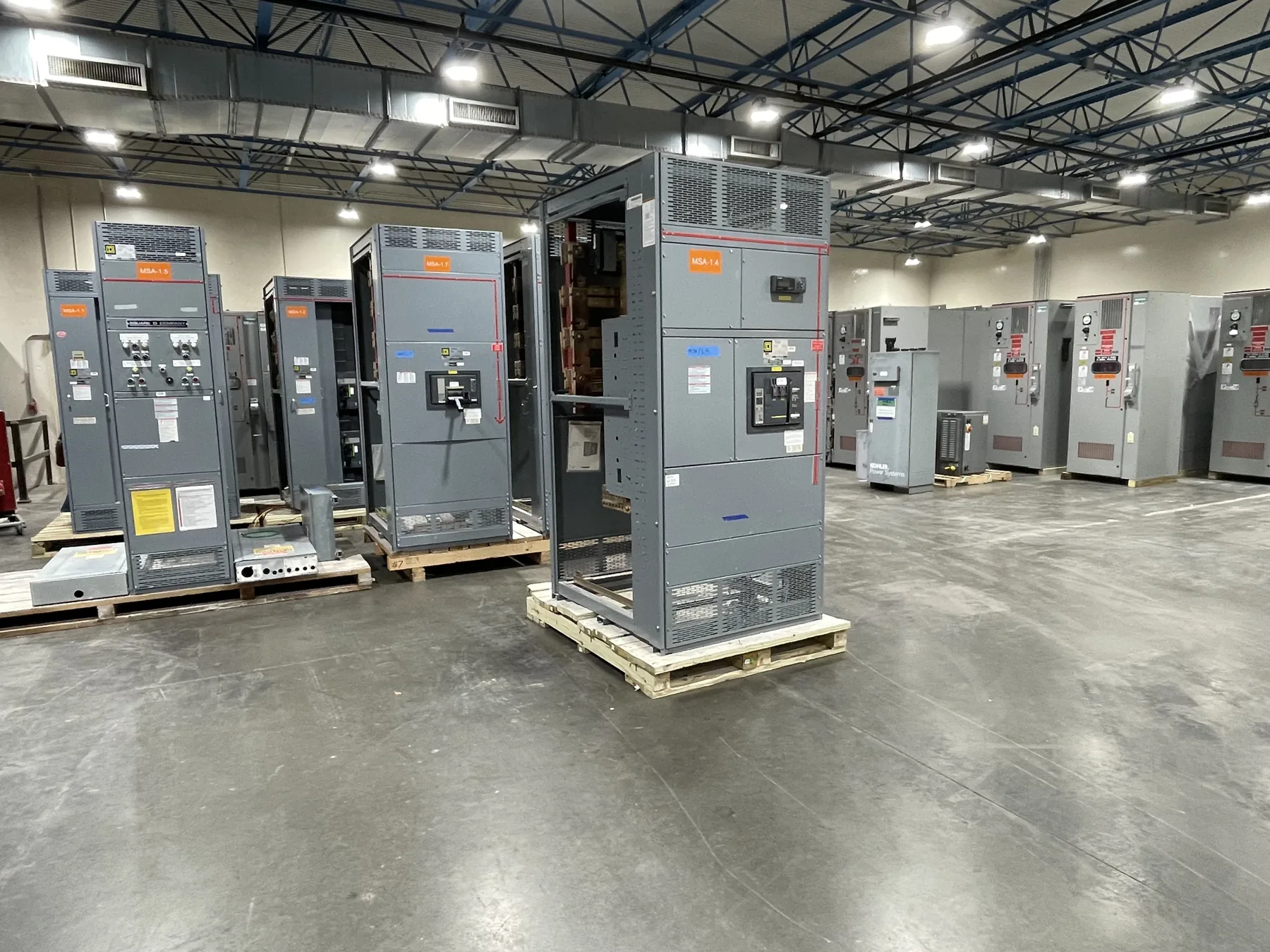
A quote requires review of the equipment; asking for one does not guarantee a price or sale. The buyer purchases used and surplus switchgear across voltage classes, including equipment from decommissioned data centers and shut-down power plants. If a purchase is agreed, payment is upfront, and the buyer handles and pays for collection logistics rather than requiring the seller to arrange them.
Use Existing Identification and Condition
Existing labels and records can help a buyer understand the equipment without asking the owner to test it. Share any known manufacturer, model reference, voltage class, or equipment count already available. Where details are missing or hard to read, state that plainly. A careful account of what is unknown is more useful than a guessed rating or description.
Describe the condition using information already on hand. You might know that equipment was removed during a planned replacement, that some breakers were retained, or that its operating history is not available. Such facts help define the lot, but they should not be treated as proof of present operability. Seller testing is not required for a review or quote request.
Existing exterior photographs or safely visible nameplate views may be included if available, but they are optional. Do not open switchgear, expose internal connections, or approach energized equipment for a photograph. Electrical handling and disconnects belong to qualified personnel following applicable safety procedures. If a label cannot be seen safely, leave it unrecorded and explain that it is unavailable.
Define the Lot and Its Ownership
Whether a lot includes breakers or spare sections can affect how a buyer interprets its completeness. List included components separately from equipment that is nearby but not part of the proposed sale. If no inventory exists, a general count and a note about uncertain contents are appropriate starting points; do not dismantle or inspect equipment to create a list.
Clarify who owns the switchgear and who can approve a transaction. If a property owner, facility operator, or another party must authorize the sale, identify that requirement. Where ownership is still being confirmed, say so before treating the equipment as available. This avoids confusing physical possession with authority to transfer the equipment.
The equipment’s pickup location matters for planning, but a location description does not itself establish access or collection readiness. Mention known entry restrictions, site rules, or limits on truck and crane access if they are already understood. If access has not been checked, make that uncertainty clear instead of promising a route or an available loading area.
Discuss Collection Without Seller Rigging
Once the equipment and pickup location are understood, logistical questions can be considered without asking the owner to arrange heavy removal work. Share any known collection window, building access requirements, or limits on vehicle positioning. If timing has not been established, say so. A quote review does not create a pickup commitment or determine an exact collection date.
If a purchase is agreed, the buyer handles and pays for crane, rigging, electrical disconnects, loading, freight, and hauling. The seller does not need to book a crane, hire a rigger, disconnect equipment, or load a truck. Electrical work is performed by qualified personnel following applicable safety procedures; sellers must not approach or open energized equipment.
Freight arrangements depend on the actual equipment, site conditions, and agreed transaction. Sharing known constraints early helps prevent assumptions about access, while leaving unresolved matters for discussion. Do not attempt to make equipment ready by touching electrical components or changing the installation. The seller’s practical role is to explain what is known and permit qualified personnel to handle work if a purchase proceeds.
Send a Clear Quote Request
A useful request for a Santa Barbara County switchgear quote can be brief but specific. Include the pickup location, the known quantity, visible identification information already available, condition as understood, and whether breakers or spare sections are part of the lot. Identify the owner or decision-maker and note any access limits that may affect collection.
Separate facts from open questions. For example, you can state that a lineup is present while explaining that its complete breaker count has not been verified. Existing exterior photos or safely visible nameplate images may help, but no photo is necessary. Never open equipment or approach energized gear to gather images or information; report what cannot be safely observed.
The buyer reviews the equipment and information before making an offer, so no price, eligibility, or exact timing should be assumed from the inquiry alone. If a purchase is agreed, payment is upfront. The buyer pays for and manages crane work, rigging, electrical disconnects, loading, freight, and hauling. That makes the request a practical first step, not a commitment to test or prepare the equipment.