THE BUYER'S GUIDE / CALIFORNIA
Sell Used Switchgear in San Luis Obispo County, CA
Plan Around a Facility Change
A facility change can leave switchgear scheduled for removal before every collection detail is settled. If you are considering selling used switchgear in San Luis Obispo County, begin by identifying the surplus equipment and sharing any known release date. A date that remains tentative should be described as tentative; it is useful context, not a promise that collection can occur then.
The timing may depend on access approval, a building schedule, or other work at the site. Note whether the equipment is available now, expected to become available later, or still subject to a facility decision. If the release date is unknown, say so rather than inventing a deadline. This gives a buyer a clearer picture while keeping expectations realistic.
A buyer reviews the equipment before making an offer, and a quote request does not guarantee a purchase, price, or exact schedule. The buyer buys used and surplus switchgear across voltage classes, including equipment from decommissioned data centers and shut-down power plants. If a purchase is agreed, payment is upfront and the buyer handles collection logistics at its expense.
Share Known Access Conditions
For logistics review, explain what is already known about gate access, floor level, and the route from the equipment to a loading point. These details can affect how a collection might be planned, but sellers need not measure or inspect a route that has not been assessed. Mark unknown conditions as unknown instead of assuming a truck or crane can reach the equipment.
A gate may require advance coordination, while a floor level or interior route may affect how qualified personnel plan removal. Share established rules, limits, or access windows if available. If the facility has not confirmed permission, identify that as an open issue. The buyer can consider the information during review; the seller is not asked to engineer a removal plan.
Do not handle electrical equipment to improve access or prepare it for collection. Electrical work and disconnects must be completed by qualified personnel following applicable safety procedures. Sellers should not approach or open energized switchgear. If the purchase proceeds, the buyer handles and pays for crane, rigging, disconnects, loading, freight, and hauling, rather than requiring the owner to arrange those services.
Identify What Is Actually Surplus
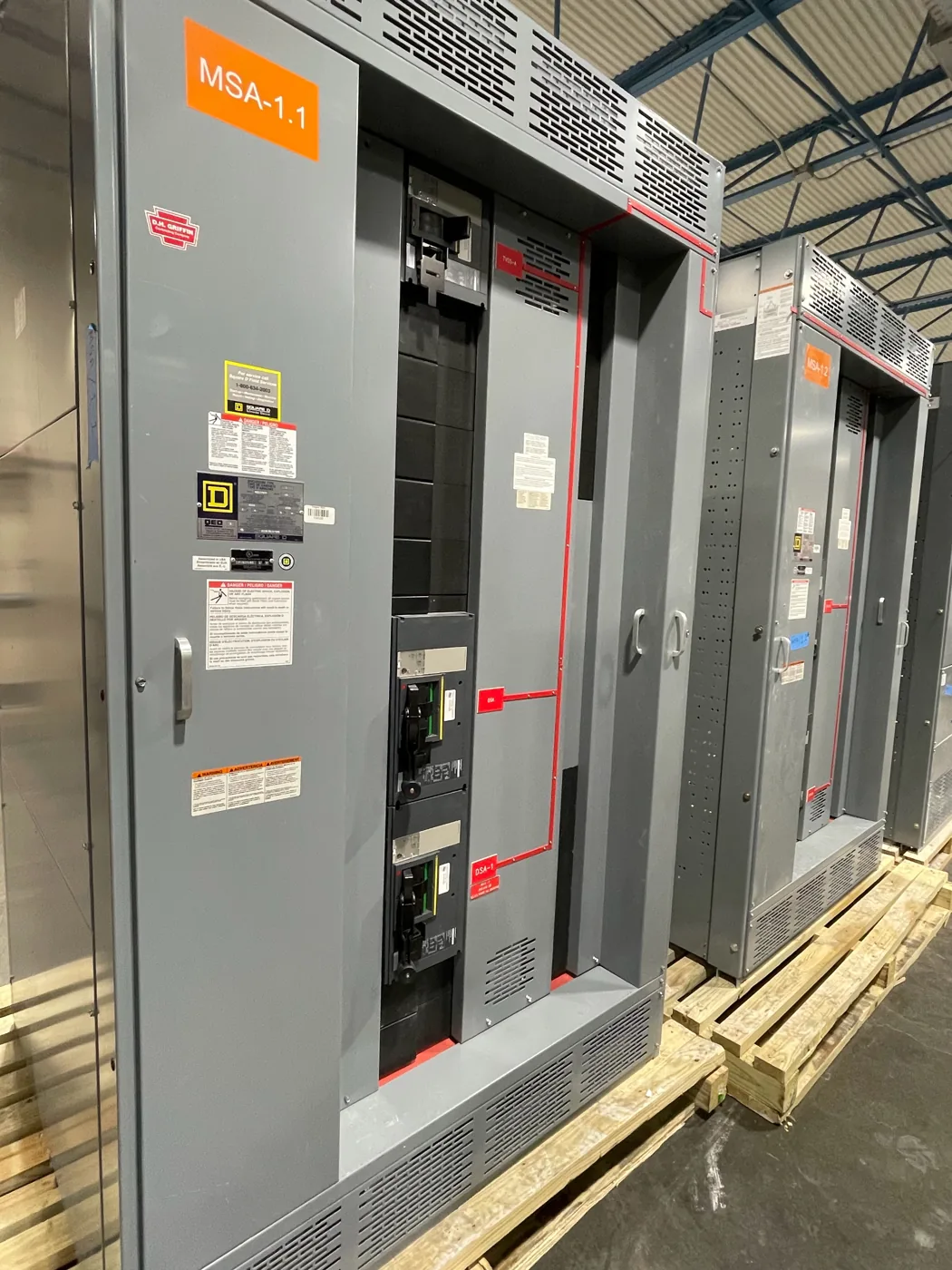
Describe the equipment that may be sold in terms the owner can already confirm: approximate lineup or section count, breakers included, and whether any pieces are being retained. If the lot’s boundaries are not final, say which equipment is definitely surplus and which remains under review. A defined scope helps a buyer understand what the quote request covers without asking the seller to dismantle anything.
Share existing identification details such as readable manufacturer or model references and known voltage class. Do not infer missing nameplate information or present an uncertain rating as fact. The buyer can review available information and ask questions if needed. Seller testing is not required, and a quote request should not turn into a task to verify electrical performance.
Condition can be described through records or known history, including whether the equipment was removed during a replacement or whether its prior operating status is unavailable. Avoid conclusions that the evidence does not support. Existing exterior photographs or safely visible labels are optional; never open an enclosure, expose connections, or approach energized equipment to gather details.
Coordinate the Release and Removal
Once the proposed lot and release timing are described, share any practical conditions for entering the facility. This may include a known gate procedure, a permitted collection window, or a floor and loading route already documented by the site. If those details are not available, say what remains to be confirmed. A buyer’s review is not itself authorization to enter or remove equipment.
The seller does not need to provide a crane, riggers, freight, or a loading crew. If a purchase is agreed, the buyer coordinates and pays for crane, rigging, electrical disconnects, loading, freight, and hauling. The owner can focus on confirming who controls the property, who can approve the sale, and when the equipment may be released.
Because electrical disconnects involve safety, qualified personnel perform that work under applicable procedures. Do not attempt to disconnect switchgear or approach an energized installation. The buyer handles the work if the transaction proceeds. Sharing known site requirements early helps the parties discuss feasible collection arrangements without transferring electrical or rigging responsibilities to the seller.
Request a Quote With Clear Facts
A practical quote request should state the San Luis Obispo County pickup location, the equipment count or best available description, known identification, and current condition as understood. Include whether the lot is complete or partial and identify any breakers or sections that will remain at the facility. Tell the buyer whether the release date, gate access, floor level, or loading route is known, uncertain, or still awaiting approval.
Use clear distinctions between confirmed information and assumptions. An existing record may establish a model reference, while the exact contents or collection route may remain unverified. Share available facts without creating new tests, measurements, or photographs. Existing exterior images are optional, and no image is needed if obtaining one would mean approaching energized equipment or opening an enclosure.
The buyer must review the equipment before making an offer, so an inquiry does not guarantee a value, eligibility, purchase, or exact timing. If both parties agree to a purchase, payment is upfront. The buyer handles and pays for crane work, rigging, electrical disconnects, loading, freight, and hauling. The seller’s next step is to provide accurate existing details and identify who can authorize release.