THE BUYER'S GUIDE / CALIFORNIA
Sell Used Switchgear in San Francisco County, CA
Start With What the Nameplate Shows
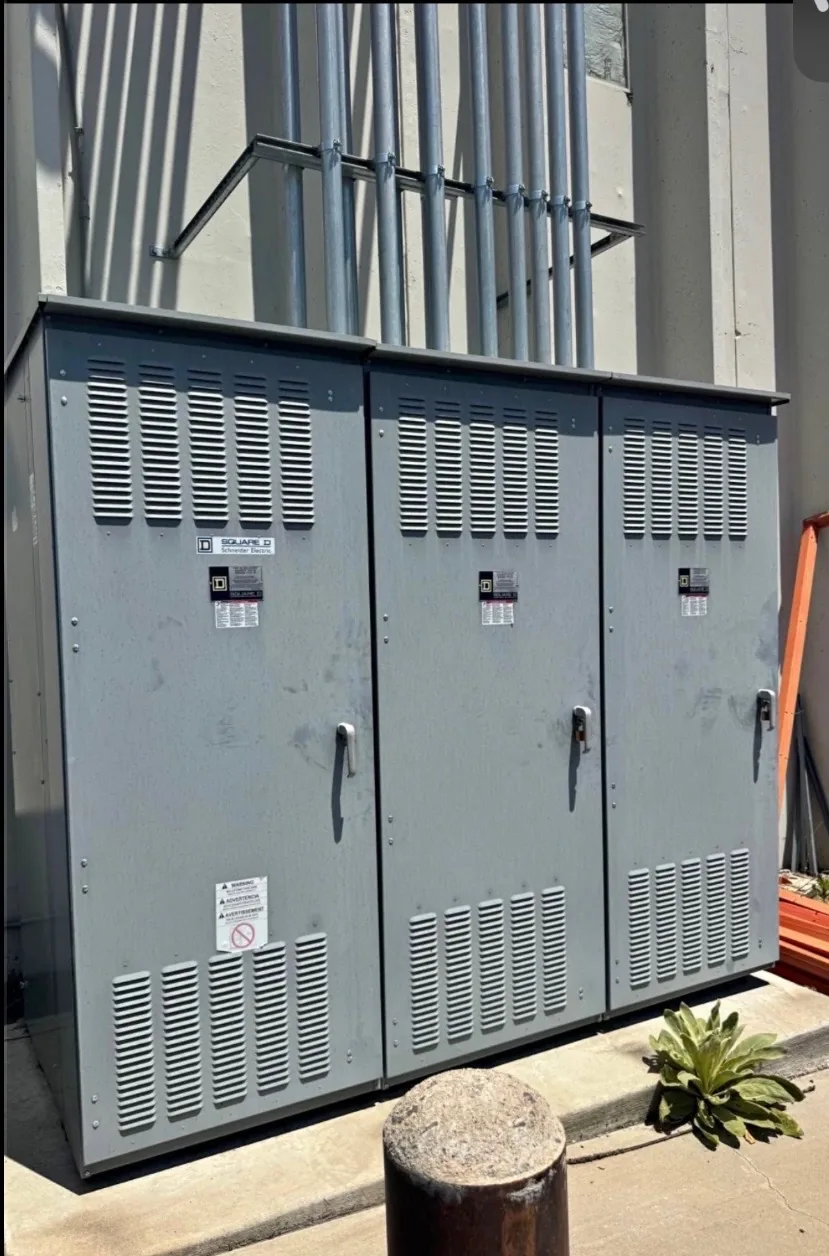
When preparing to sell used switchgear in San Francisco County, CA, a visible nameplate can help identify what is being considered, but it is not the only useful information. Share any ratings or model details that already exist and can be read safely. If a label is missing, obscured, or unknown, report that plainly rather than estimating its contents.
Describe the equipment as a lot: how many lineup sections are available, whether breakers are included, and whether spare sections or other associated pieces are part of the offer. State whether the equipment remains installed or has been removed. These distinctions help a buyer understand the scope before reviewing a potential purchase.
No test is required from the seller. Do not open a cabinet, approach energized equipment, or try to inspect connections for a better description. Optional photos are limited to existing images or safely visible exterior and nameplate views. If obtaining a photo would be unsafe, provide a written description instead.
Clarify the Lot and Its Condition
A clear account of the lot helps prevent confusion about what a quote would cover. If breakers are included, describe their count only if it is known; if spare sections are available, identify them as included, separate, or uncertain. A partial lineup should not be described as complete unless that is confirmed.
Give a careful account of condition based on information already available. You can state that equipment is still installed, stored, or removed, and note whether operating history or maintenance records are available. Avoid claims about internal condition when it has not been inspected. The buyer can review the equipment and ask questions without requiring the seller to perform testing.
The business buys used and surplus switchgear across voltage classes. However, a quote depends on reviewing the specific equipment and details. A nameplate rating, count, and condition description help establish what is being reviewed, but they do not guarantee value or eligibility. Unknown information should remain identified as unknown.
Identify the Pickup Location and Access
Give the pickup location within San Francisco County as accurately as appropriate for an initial inquiry, and describe any access conditions already known. Relevant context may include whether the equipment is inside a building, its floor level, or a known restriction on moving large loads. Do not assume a route is suitable if nobody has confirmed it.
The buyer handles and pays for crane, rigging, electrical disconnects, loading, freight, and hauling. The seller does not need to arrange those services or perform a disconnection. Qualified personnel handle electrical work under applicable safety procedures. If the location has access rules or scheduling limits, mention only information you know and leave detailed coordination for the next stage.
Never move, open, or approach energized switchgear to gather access or equipment details. If a site walkthrough or further coordination is needed, it should be handled safely by qualified personnel. The seller can begin with existing records and a practical description, without taking on rigging or freight responsibilities.
Review Before Discussing a Purchase
A buyer needs to review the actual equipment before making a quote. The review may consider the lineup configuration, included breakers or spare sections, known ratings, condition, and pickup circumstances. An initial message is not a guaranteed valuation, and no exact price or response time should be inferred from a brief summary.
If the equipment is part of a decommissioning, share any confirmed status or release timing. If no date has been set, say that it is not known. Existing inventories, documents, or photographs may add useful context, but the seller is not required to create records or test equipment. Do not open an enclosure to verify internal details.
If both parties agree to a purchase, payment is upfront. An offer alone does not mean payment has been made or that a transaction is final. The terms should be understood before proceeding. The seller’s role is to provide available information and make the equipment available under agreed arrangements, not to finance removal or organize freight.
Prepare a Useful Quote Request
For a focused quote request, summarize the San Francisco County pickup location, the number of lineup sections, whether breakers or spare sections are included, and any available nameplate ratings. Add what is known about condition and whether the switchgear is still installed. Mark each detail that has not been confirmed so the buyer can distinguish facts from open questions.
Include known access conditions and any existing information about pickup restrictions. Existing exterior or nameplate photographs are optional when safe and already available. A clear written note is sufficient if a photo is not available or would require unsafe access. Do not test the equipment, open it, or approach an energized lineup to improve the request.
The buyer reviews the equipment before providing a quote; no price, eligibility, or exact timing is promised beforehand. If a purchase is agreed, payment is upfront, and the buyer pays for and handles disconnects, crane work, rigging, loading, freight, and hauling. A precise, honest description is the practical starting point.