THE BUYER'S GUIDE / CALIFORNIA
Sell Used Schneider Circuit Breakers in California
Describe the Breakers, Not Their Assumed Value
When Schneider circuit breakers become surplus, their appearance or manufacturer label is not enough to establish what they are worth. A useful first step is to describe the specific breakers and share information already available. That gives a buyer a basis to review the equipment without relying on broad assumptions about brand, age, or condition.
This matters during a California facility closure, electrical renovation, or inventory cleanout, when breakers may be separated from the switchgear they once served. Some may be stored individually, while others remain installed. The buyer needs to understand what is actually being offered, not just the system from which the breakers came.
A business that buys used and surplus switchgear also reviews related equipment from decommissioned data centers and shut-down power plants. It makes cash offers and pays upfront when a purchase is agreed. A quote depends on review of the particular breakers and available information; there is no guaranteed price based only on a Schneider label.
Gather Identification and Nameplate Details
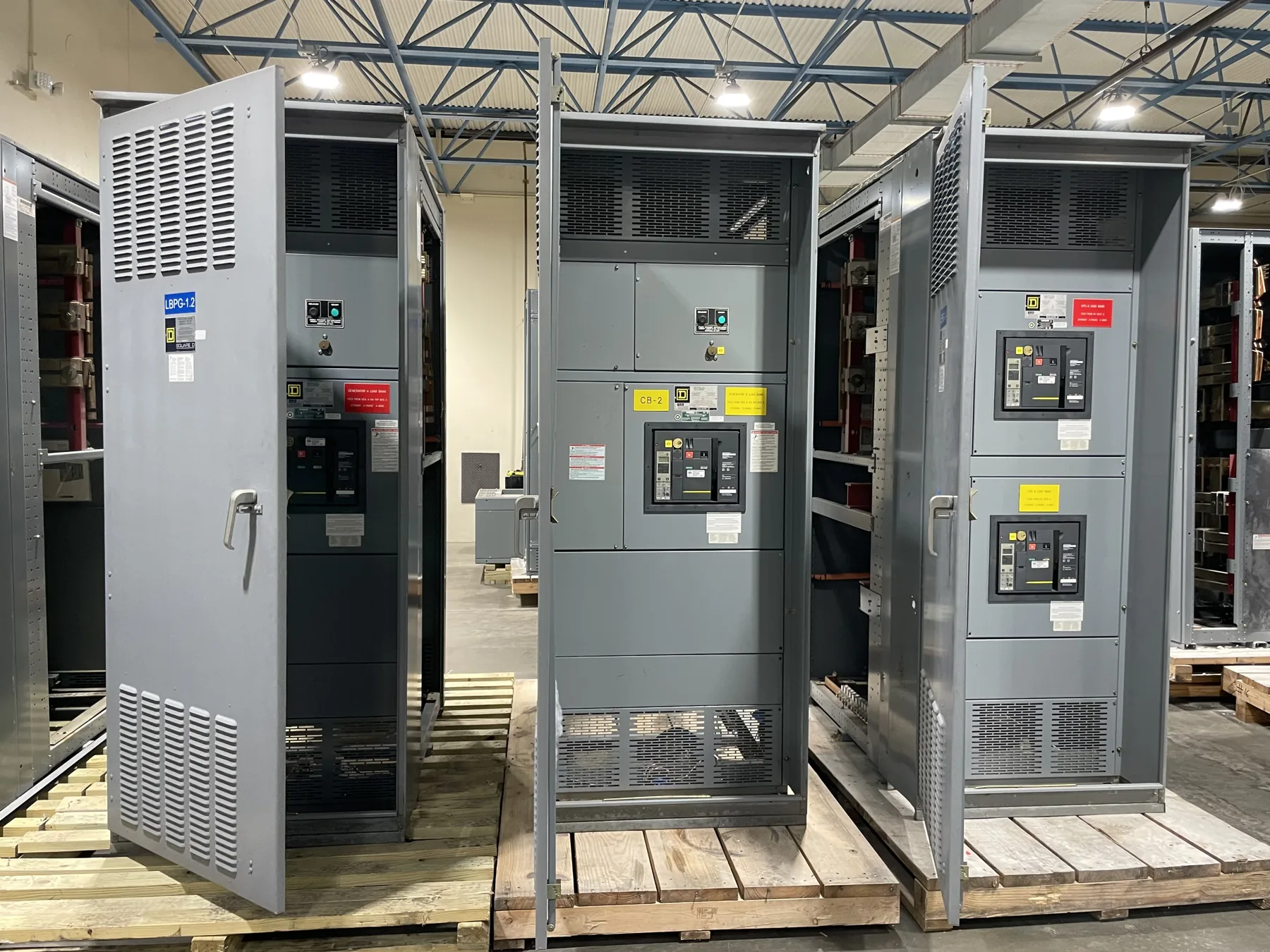
For equipment labeled Schneider, provide the complete model designation, ratings, condition, and nameplate photographs. A clear image of each relevant label can help resolve differences between similar-looking products. If multiple breakers are involved, share a count and identify any visible variations rather than describing the entire group as one uniform set.
Include voltage and current ratings where they are legible, along with other readable nameplate information. Do not infer missing values from appearance or from a breaker that seems similar. If a label is obscured, damaged, or unavailable, explain that limitation and provide photographs of the equipment itself for context.
Say whether each breaker is installed, removed, or stored, if known. Existing inventory sheets or records can supplement photographs, but a seller does not need to create a technical report. Nor is testing required for a quote request. If operating condition has not been confirmed, describe it as unverified instead of commissioning a test just to support a sale.
Explain Condition Without Testing
A careful condition description is more useful than a confident claim unsupported by evidence. Report visible issues that you can observe safely, such as damaged housing, missing parts, corrosion-like appearance, or incomplete accessories, without diagnosing the cause. If there is no known issue but the breaker has not been tested, distinguish that from a verified operational condition.
Existing maintenance or inspection records can be shared if they are available and appropriate to disclose. They may help a buyer understand the history, but they do not replace its review of the specific equipment. If records are absent, simply say so. The seller is not asked to operate, open, or electrically test breakers to prepare information.
Electrical equipment should be handled only by qualified personnel following applicable safety procedures. Never work on energized equipment to obtain photographs or remove a breaker. For installed equipment, disconnects and related work belong to qualified personnel, and the buyer handles that work as part of its logistics. Share information from a safe position or from records already on hand.
Coordinate Removal and Site Access
Removal planning depends on how the breakers are situated and what else is included. Note whether they are individual stored units or part of installed switchgear, and whether the offer would cover breakers alone or related sections as well. If the scope is uncertain, state what you believe is included and invite clarification during review.
The buyer handles rigging and logistics at its expense, including crane, rigging, disconnects, loading, freight, and hauling. The seller does not need to hire a separate removal company or arrange transportation. The exact work depends on the equipment and site, so share practical access information such as the route to a loading area and known site rules.
If the equipment is at a facility with entry procedures or scheduling limits, explain those constraints when requesting a review. Do not move or disconnect breakers to make the transaction easier. Qualified personnel follow applicable safety procedures, and the buyer coordinates the required work after reviewing the equipment and its location.
Make a Practical Quote Request
A clear request to sell used Schneider circuit breakers in California can be brief while still being specific. Provide the complete model, ratings, condition as known, nameplate photographs, quantity, and whether the breakers are installed or stored. Add any records already available and identify details that remain uncertain.
Summarize the location and access situation without assuming that a buyer already knows the site. Mention whether the breakers are part of a decommissioning, renovation, or surplus inventory process if that context is accurate. This helps the buyer review scope and logistics, but it does not set a valuation or promise that every item will be purchased.
The buyer reviews the submitted details before deciding whether to make a cash offer. If a purchase is agreed, payment is upfront, and the buyer handles rigging and logistics at its expense. Testing is not required, and the seller’s role is to provide accurate information and coordinate access rather than perform electrical work or organize hauling.