THE BUYER'S GUIDE / CALIFORNIA
Sell Used Eaton Switchgear in California
Planning a California Facility Change
When a facility in California is being renovated, downsized, or decommissioned, Eaton switchgear may need a new disposition plan before crews begin clearing the electrical room. A seller can start by describing the equipment and the site situation; there is no need to test the gear to ask for a review.
The business buys used and surplus switchgear, including equipment from decommissioned data centers and shut-down power plants. It makes cash offers and pays upfront after reviewing the equipment. A quote depends on the information available, so initial details help determine whether a useful offer can be considered.
Describe the equipment's location in California and any known access constraints that could affect removal. The buyer handles rigging and logistics, including disconnects, loading, crane work, freight, and hauling, at its expense.
Identify the Eaton Equipment Clearly
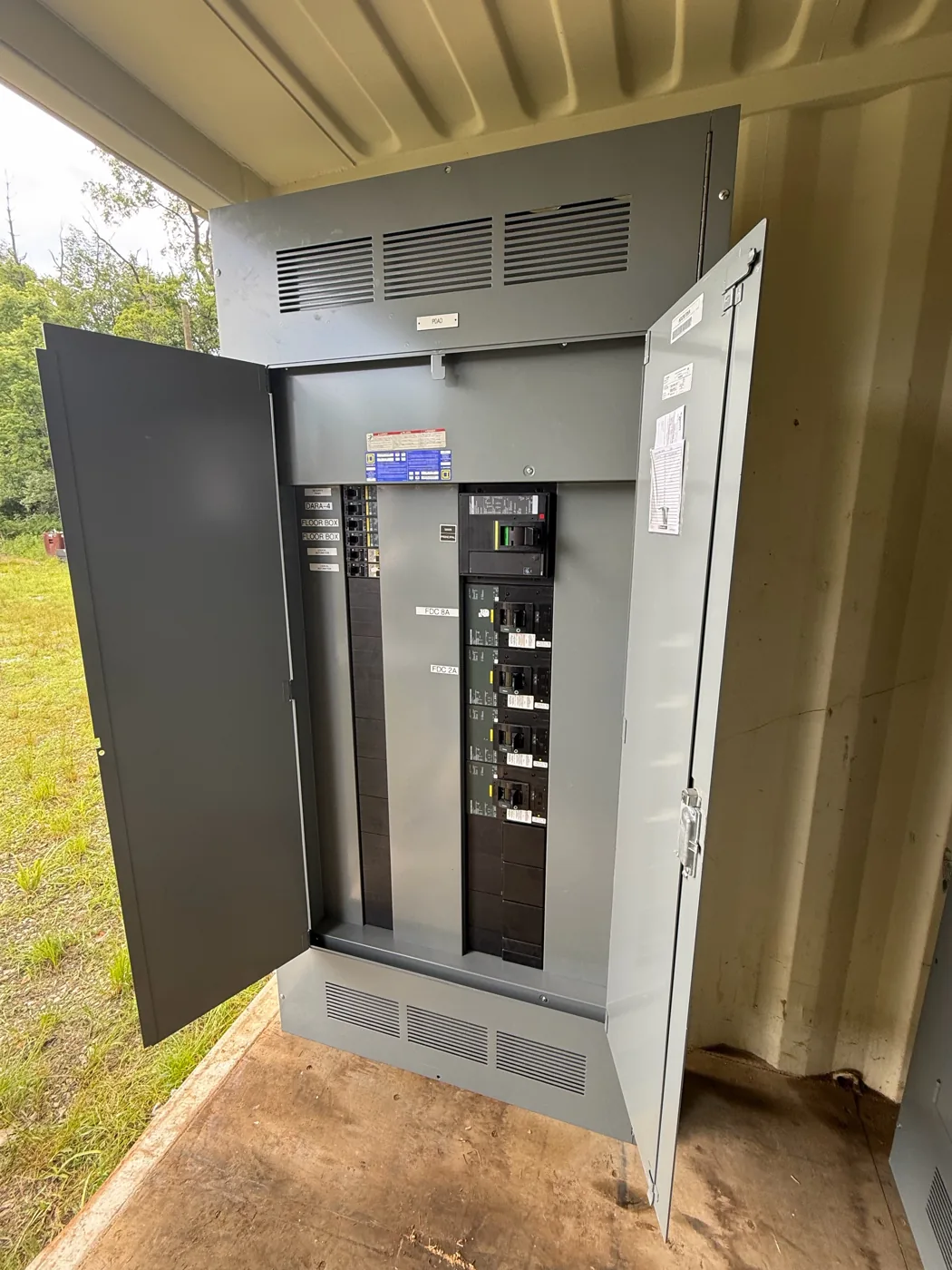
For equipment labeled Eaton, share the complete model designation, ratings, and clear nameplate photographs when available. The full model can distinguish one configuration from another, while ratings help reviewers understand the equipment’s electrical class and intended application without guessing from a partial label.
Describe what the equipment is as accurately as you can: for example, a switchgear lineup, section, or associated assembly, if that description is known. Include the number of sections or units and any visible catalog or serial information. Do not infer missing nameplate details; report them as unreadable or unavailable instead.
If the lineup contains multiple components, explain which items are included in the proposed sale and which are not. A short inventory or labeled photographs can clarify boundaries, especially when equipment remains installed beside other electrical assets. These details support review without asking the seller to open, operate, or test equipment.
Explain Condition and Decommissioning
Condition information helps put photographs and ratings in context. Share what is already known from ordinary records, such as whether equipment is installed, stored, or removed, and whether visible damage or missing parts have been noted. These are observations, not a request to conduct a technical inspection or perform tests.
A facility transition may involve phased shutdowns, construction schedules, or equipment retained for other purposes. Explain whether the Eaton gear has been disconnected already, is awaiting a qualified crew, or remains in service. Never handle energized equipment; electrical work and disconnects belong to qualified personnel following applicable safety procedures, and the buyer handles the work.
If maintenance files, drawings, prior inspection documents, or photographs are readily available, they may help clarify configuration and history. Their absence does not mean the seller must create new records or certify performance. Share only information you can verify, and clearly distinguish documented facts from estimates or recollections.
Prepare Information About Site Access
Useful access information can prevent avoidable uncertainty when a quote is reviewed. Describe the building or area where the gear sits, how equipment reaches an exterior loading point, and any known limits involving doors, corridors, elevators, loading areas, or vehicle access. Photographs of the route can be more informative than broad descriptions.
Mention known scheduling rules, security procedures, required coordination, or restrictions on work hours without assuming a particular California facility policy. If the equipment is still installed, note whether adjacent systems must remain untouched. Do not arrange disconnects or lifting independently on the buyer’s behalf; the buyer handles rigging and logistics at its expense.
A seller can also explain whether the gear is grouped together or spread across separate rooms or buildings. This helps reviewers understand the scope and plan freight, hauling, crane, loading, and rigging needs. The seller’s role is to share available information and coordinate access, not to perform electrical or lifting work.
Request a Review and Cash Offer
To request a quote, provide the complete Eaton model where legible, ratings, condition notes, and nameplate photos, together with the quantity and location. Add a concise description of the decommissioning or facility-change schedule and any known access constraints. Do not send guessed ratings as though they were verified facts.
The business buys all voltage classes and does not require sellers to test equipment. A review is based on the equipment information provided, and a quote is not guaranteed until that review occurs. If a detail is missing, say so and offer another available source, such as a cabinet photograph or existing record.
After reviewing the equipment, the buyer can make a cash offer where appropriate and pays upfront. It handles disconnects, crane, rigging, loading, freight, and hauling at its expense. The seller does nothing but get paid, while qualified personnel follow applicable safety procedures for electrical handling and site work.