THE BUYER'S GUIDE / CALIFORNIA
Sell Used Cutler-Hammer Switchgear in California
Start With What Can Be Reviewed
Before freight arrangements enter the conversation, a buyer needs enough information to understand what Cutler-Hammer switchgear is being offered. If you want to sell used Cutler-Hammer switchgear in California, begin with the equipment identity and the records or photographs already available. There is no requirement to test the gear before requesting review.
A description should clarify whether the offer concerns a complete lineup, selected sections, or individual components. Use facility inventories and visible labels to define the scope where possible. If the project team has not confirmed a count or configuration, mark that uncertainty rather than presenting an estimate as a final equipment list.
The buyer purchases used and surplus switchgear, including equipment from decommissioned data centers and shut-down power plants. It makes cash offers and pays upfront after reviewing the equipment. A quote depends on that review; it is not a guaranteed price or promise of eligibility.
Match Labels to the Equipment
For equipment labeled Cutler-Hammer, share the complete model designation, ratings, condition, and nameplate photographs. The full model matters because a broad brand reference does not identify a particular configuration. If several sections are present, photograph labels in a way that makes clear which image belongs to which portion of the lineup.
Copy ratings as they appear on the nameplate rather than interpreting or normalizing them. If a label is hard to read, report that limitation and send the clearest image already obtainable. Do not invent missing nameplate information or infer one section’s ratings from a neighboring section.
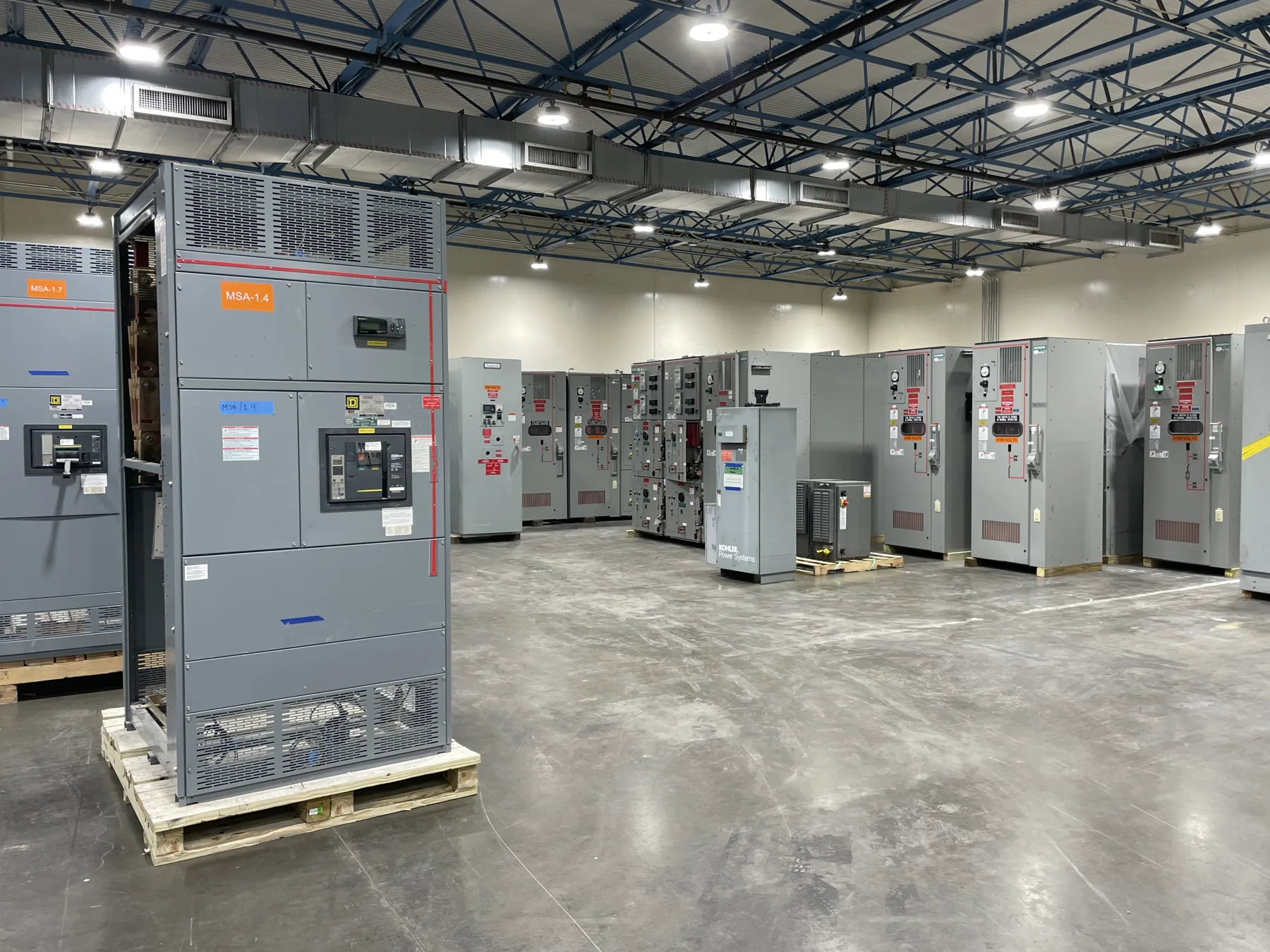
An overall photograph can show the arrangement, while close views can help confirm model and rating details. Images should be taken only from a safe, accessible position. Do not open compartments or approach energized parts to improve a photograph. Electrical handling and disconnects are for qualified personnel following applicable safety procedures, and the buyer handles that work.
Give a Grounded Condition Account
Describe condition in terms of known observations: visible exterior damage, missing pieces, storage history, or whether equipment remains installed. If operating condition is unknown, say so directly. A cautious, accurate account is more useful than an unsupported assurance that all parts are functional or a speculative diagnosis based on appearance.
If existing inspection, maintenance, or project records are available, share them as background. They are optional information, not a request that you arrange testing. Sellers do not have to test equipment to seek a quote, and missing test documentation should be identified as missing rather than replaced with a guess.
For a decommissioning or replacement project, explain which items are included and whether the group is being made available together. This helps the reviewer understand the proposed scope. If the lineup’s history or configuration is not documented, leave that uncertainty visible so that the buyer can assess the available information appropriately.
Coordinate Removal Without Taking It On
Once the equipment has been identified, provide practical access information that is already known. Note whether it is installed or staged, where it sits in the facility in general terms, and any known restrictions affecting a route to loading. Such details inform logistics, but they do not call for the seller to disconnect or dismantle electrical equipment.
The buyer handles all rigging and logistics at its expense, including crane, rigging, disconnects, loading, freight, and hauling. Disconnects and electrical handling belong to qualified personnel following applicable safety procedures. The seller should not work on energized equipment or take on removal work to advance a quote request.
If site access needs coordination, mention the known process or limitation without inventing dates or guaranteeing availability. A loading-area constraint or restricted access route can affect planning, so accurate context is useful. The buyer can consider it with the equipment details before any removal arrangements are discussed.
Make the Quote Request Specific
Send a concise package with the complete Cutler-Hammer model, ratings, condition notes, nameplate photos, and the quantity or lineup scope you can confirm. Include whether the equipment is installed or staged and the California location information relevant to access. State which points are verified and which remain uncertain instead of filling gaps with assumptions.
A quote depends on a review of the equipment and the information provided. No particular price, eligibility, or turnaround time should be presumed. If an offer is made, the buyer makes a cash offer and pays upfront. The seller does not need to arrange tests, freight, rigging, or disconnects as a condition of requesting review.
For equipment made surplus by a plant shutdown, data-center decommissioning, or another known project, include that context only when it is accurate. After reviewing the request, the buyer can discuss an offer and logistics. The buyer handles the work, including loading and hauling; the seller’s task is to share what is known and get paid if proceeding.