THE BUYER'S GUIDE / CALIFORNIA
Sell Used Pad-Mounted Switchgear in Long Beach, CA
Start With What You Know
A request to sell used pad-mounted switchgear in Long Beach, CA, can begin with ordinary records and safe exterior observations. You do not need to identify every internal component or resolve every uncertainty before asking for a review. Share what is documented, distinguish it from what is unknown, and let the equipment details be assessed together.
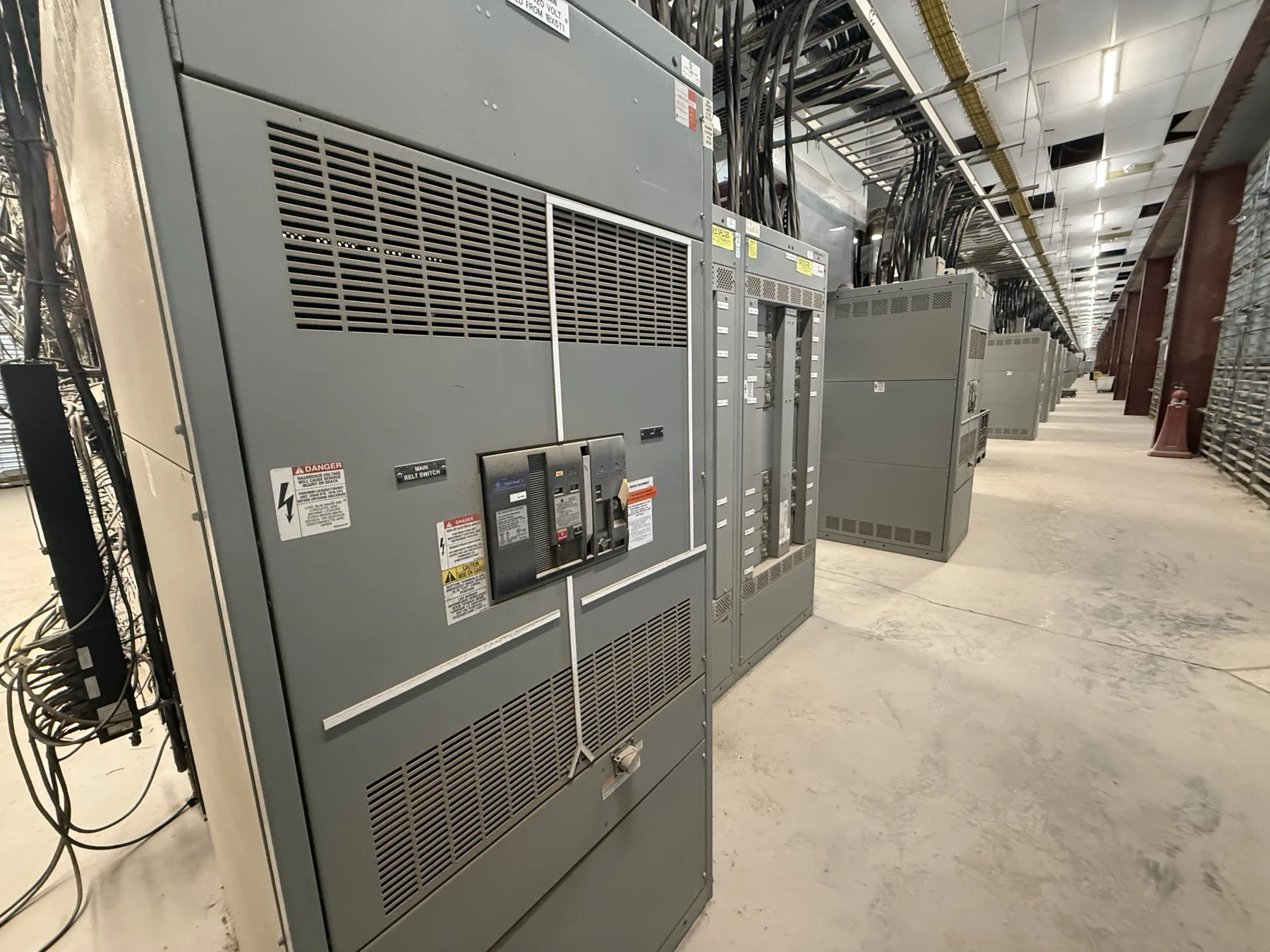
Pad-mounted equipment is commonly recognized by its outdoor-style enclosure and its placement at or near ground level, but appearance alone does not establish its electrical configuration. Existing asset records, equipment schedules, purchase documents, or readable exterior markings may help identify the unit. If a label is difficult to reach or read safely, say so instead of approaching or opening the enclosure.
The buyer reviews the information before deciding whether to make an offer. An offer is not a commitment to pay; if a purchase is agreed, payment is made upfront. There is no requirement for you to test the equipment, and you should not approach or open energized gear. Electrical handling and disconnects are performed by qualified personnel following applicable safety procedures.
Describe the Enclosure and Layout
Useful details for pad-mounted switchgear include the manufacturer and model, if known, approximate age or installation history, and any records that describe its function. A seller can also report the number of compartments when that information appears in existing documentation or is visible from a safe exterior viewpoint. Do not open doors or panels to count or inspect internal parts.
Describe the enclosure’s observable condition in measured terms. For example, note whether the exterior appears intact, whether paint is worn, or whether a door or hinge appears damaged from a safe distance. Avoid guessing about internal condition, operating capability, or electrical ratings. Those conclusions require suitable documentation or review by qualified people, not a seller’s informal inspection.
Clarify whether the unit is outdoors, indoors, or already in storage. That location helps explain the setting for a potential removal and whether access may involve a gate, paved route, limited clearance, or other site considerations. Existing exterior or nameplate photos can be useful if safely available, but no photograph is needed when obtaining one would be unsafe.
Explain the Decommissioning Context
A pad-mounted unit may become available during a facility change, replacement, renovation, or decommissioning. A brief explanation of why it is being released helps the buyer understand the timing and whether the equipment remains installed or has already been removed. You need not describe electrical work or arrange a disconnect to start a quote discussion.
If the equipment is still in service or connected, say that plainly and identify any anticipated release date if one is known. Do not make the equipment safe yourself, operate switches, or attempt to disconnect cables. Electrical work belongs to qualified personnel following applicable procedures. The buyer handles and pays for electrical disconnects if a purchase is agreed, along with rigging and removal logistics.
Ownership and authority to release the unit are also relevant. Explain whether you own it or are acting for the owner, and mention any approval process that could affect the sale. If records are incomplete, state that rather than assuming the equipment is unencumbered. These details help determine what information can be reviewed and whether a proposed pickup can be coordinated appropriately.
Plan Access Without Arranging Removal
Access information helps assess the practical work involved in collecting pad-mounted switchgear. Describe the route to the unit, available vehicle access, gates, overhead restrictions, ground conditions, and any known limits on working hours or site entry. Approximate dimensions or weight from existing records may help, but do not measure or handle the equipment if doing so would create a safety risk.
Tell the buyer whether the enclosure is positioned outdoors, within a building, or in storage, and whether it is readily accessible or obstructed. If a crane may be relevant, share known overhead or placement constraints without deciding what equipment is needed. The buyer handles and pays for crane service, rigging, loading, freight, and hauling when a purchase is agreed.
You are not expected to hire a rigger, schedule a crane, disconnect the unit, or load it. Explain any site rules, release windows, or coordination steps you already know, and the buyer can review how those logistics fit the proposed transaction. Electrical work remains for qualified personnel using applicable safety procedures; do not approach or open energized equipment to gather access details.
Request a Clear Equipment Review
For a practical quote request, provide your location in Long Beach, California, the equipment type, any known manufacturer or model, and whatever records describe the pad-mounted unit. Include the number of compartments only if you can establish it from documentation or a safe exterior view. Note what is uncertain, whether the equipment is installed or stored, and who can authorize its release.
Add a concise condition description, known ownership information, and the access or timing details that could affect removal. Optional existing photos may show the exterior or a safely visible nameplate; do not open the enclosure, photograph interior connections, or obtain images from an unsafe position. You do not need to test the equipment for a review.
The buyer reviews the details before making an offer, so a quote is not guaranteed by submitting information. If both sides agree to a purchase, payment is upfront, and the seller’s task is limited to sharing information and coordinating access. The buyer handles and pays for disconnects, crane, rigging, loading, freight, and hauling; contact the buyer with the available details to begin the review.