THE BUYER'S GUIDE / CALIFORNIA
Sell Used Pad-Mounted Switchgear in Bakersfield, CA
Separate Known Details From Unknowns
When preparing to sell used pad-mounted switchgear in Bakersfield, CA, begin with what can be stated safely and reliably. You can identify its general location, ownership status, and whether it is installed or in storage without opening the enclosure. Unknown ratings, internal details, or operating condition can remain unknown during an initial quote request.
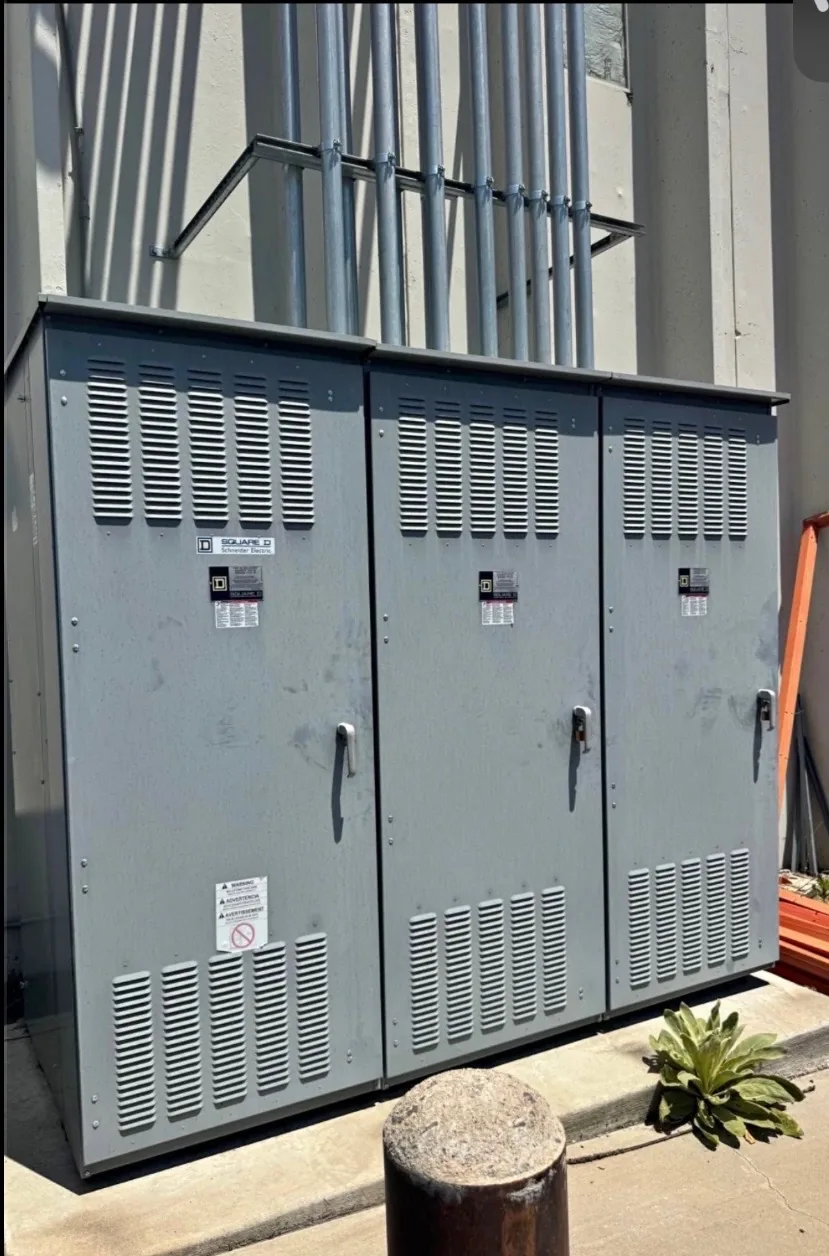
Pad-mounted equipment is housed in an enclosure, so exterior information and existing records are usually the appropriate starting point. Describe the enclosure’s visible condition and the compartment count only when that count is available from safe exterior records or markings. Do not open doors or panels to confirm what is inside, and do not approach equipment that may be energized.
A quote depends on review of the particular equipment, not on a seller supplying every possible technical detail. A clear note such as “rating not confirmed” is more useful than a guess. The buyer can consider the information supplied and ask for clarification without requiring you to test or inspect internal components.
Describe the Enclosure and Ownership
The enclosure condition can be described in ordinary terms based on what is safely visible: whether it appears intact, whether doors or exterior surfaces show damage, and whether labels can be read. Existing exterior photos are optional if they can be taken safely. Do not photograph interior compartments or approach the equipment to obtain a better view.
Ownership and authority to discuss a sale are important because the buyer needs to understand who is offering the equipment. Explain whether you own it, represent the owner, or are coordinating on the owner’s behalf. If approval is still being arranged, say so; an inquiry does not itself establish a purchase or trigger payment.
If available, existing records may identify the manufacturer, model, ratings, or compartment arrangement. Share only information you can support from documents or safely visible markings. Do not assume a nameplate value or fill gaps by referring to similar equipment. These details help distinguish the assembly under review from another unit at the same site.
Consider Removal and Access
Access can matter as much as a description of the enclosure. If known, explain the clearance around doors, gates, or other access points and describe the route from the unit to a loading area. Mention tight turns, changes in level, or restricted access windows when those conditions are already known. Do not measure by entering unsafe areas.
The buyer handles and pays for crane, rigging, electrical disconnects, loading, freight, and hauling. The seller does not need to hire a rigger, arrange a crane, or perform electrical work. Qualified personnel handle disconnects and electrical activities under applicable safety procedures; never approach or work on energized equipment.
Pad-mounted equipment may be outdoors or in storage, and that basic context can help the buyer consider the removal approach. Share known access limits and any site process for scheduling work. If a clearance or route detail has not been confirmed, mark it as unknown. There is no need to reposition equipment or clear a path before requesting a quote.
Explain Status Without Testing
You can state whether the equipment is operating, out of service, disconnected, or simply believed to be in a particular status only when that information is known from existing records or responsible personnel. Do not infer electrical status from appearance. Any disconnects or electrical handling belong to qualified personnel following applicable procedures.
A seller does not need to test the switchgear to request a quote. If records include prior maintenance information or an equipment schedule, those materials may help explain the unit, but their absence does not require you to commission new work. Be clear about the source of information and distinguish records from assumptions.
If the equipment is part of a broader decommissioning, identify which unit is being offered and whether related components are included or excluded. A concise description can prevent confusion where several enclosures or stored parts are present. The buyer reviews the specific offering; no one should open the equipment or take interior photos for the request.
Request a Reviewed Cash Offer
For a useful request, provide the Bakersfield location, ownership context, visible enclosure condition, known compartment count, and any available identification from safe exterior records. Add known door clearances and the route to loading if available. Explain what is uncertain so the reviewer does not mistake an estimate or assumption for a confirmed equipment detail.
The buyer purchases used and surplus switchgear, including equipment from decommissioned data centers and shut-down power plants, and buys equipment across voltage classes. A cash offer depends on review of the equipment and information available. An inquiry alone does not guarantee a valuation, eligibility, or a completed transaction.
If a purchase is agreed, payment is upfront. The buyer handles and pays for crane, rigging, electrical disconnects, loading, freight, and hauling, so the seller is not responsible for arranging those tasks. Send the details already at hand, and do not test, open, or approach the equipment to fill information gaps.