THE BUYER'S GUIDE / CALIFORNIA
Sell Used Arc-Resistant Switchgear in Long Beach, CA
Plan Around the Release Window
Selling used arc-resistant switchgear in Long Beach, CA, often calls for early coordination around when the equipment can be released and how a removal can fit the site’s schedule. Those practical details do not establish an arc rating or confirm a particular configuration. Start with records and a realistic release window, then let the buyer review the equipment information.
If the lineup remains installed, explain whether its availability depends on a planned facility change, replacement, or decommissioning. You do not need to disconnect it or arrange an electrical contractor for the buyer. If it is connected or energized, stay clear and do not open or handle it. Qualified personnel perform electrical work and disconnects under applicable safety procedures.
An offer follows review of the equipment and circumstances; sending details does not guarantee a valuation or trigger payment. If a purchase is agreed, payment is upfront. The buyer handles and pays for electrical disconnects, crane, rigging, loading, freight, and hauling, so the seller can focus on sharing accurate information and access requirements.
Identify the Assembly From Records
For arc-resistant switchgear, the manufacturer, model, and available documentation are especially useful because the name of the equipment alone does not establish its exact design or configuration. Share readable markings from a safely accessible exterior nameplate, asset records, manuals, or drawings already on hand. Do not invent an arc rating or assume that a label or product family proves a particular rating.
Documentation may describe the lineup, section arrangement, or intended application. If records use technical terms you cannot interpret, send the wording as it appears or explain that the detail is unknown. A buyer can review the available information; you are not expected to certify performance, inspect internal construction, or complete technical testing.
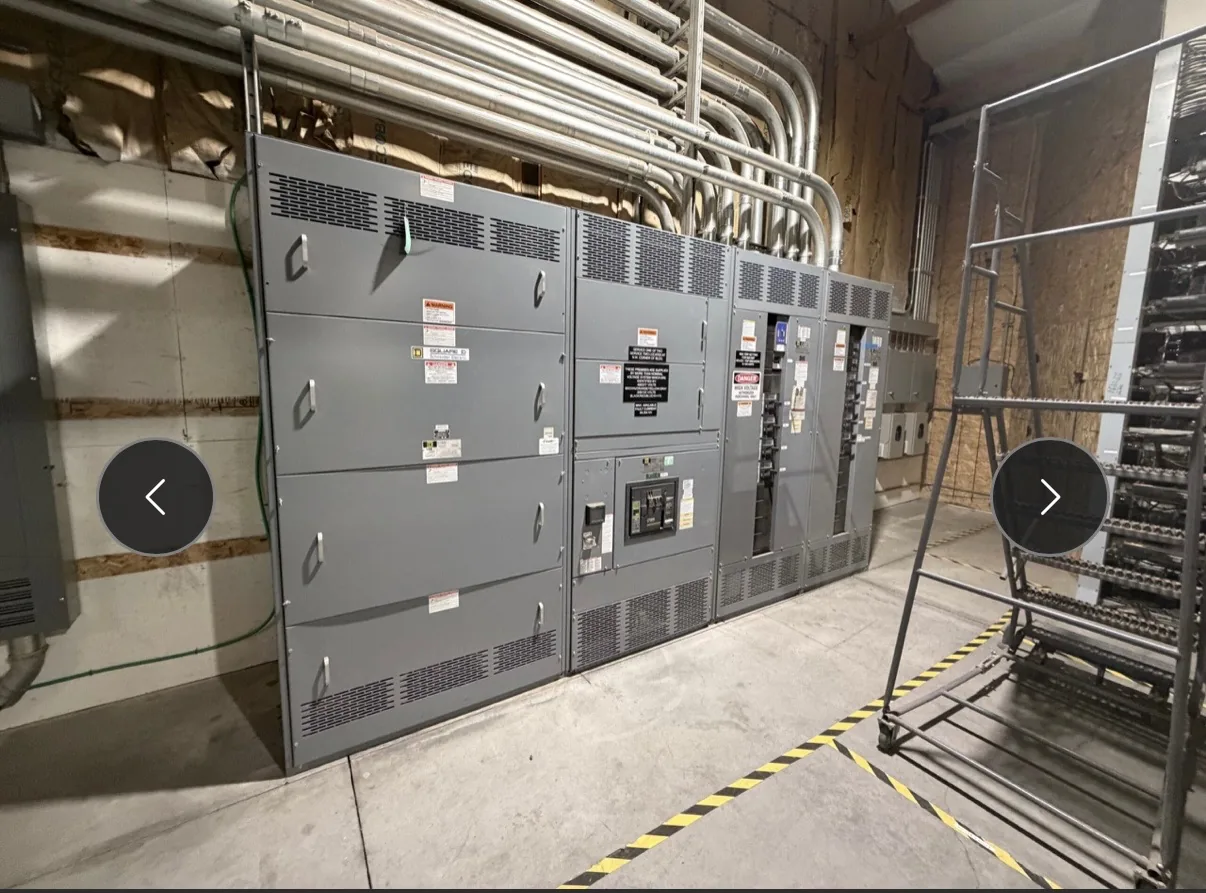
A safe exterior photograph or existing documentation can support identification, but images are optional. Never open a door, remove a cover, approach energized equipment, or photograph interior connections to improve a quote request. If a marking is not safely visible, note that limitation and provide other records instead. Seller testing is not required.
Describe Condition and Configuration
Give a straightforward account of what is known about the switchgear’s history and condition. Useful context can include whether it has been in service, removed, placed in storage, or held as surplus, along with any known maintenance or repair records. Avoid converting an absence of records into a claim that the equipment is either fully functional or defective.
If documentation identifies the number of sections or lineup arrangement, share it. Likewise, mention any visible exterior damage that can be observed without opening or touching the gear. Do not make assumptions about internal parts, arc containment, insulation, or operational condition. Information should be clearly separated into documented facts, observations, and matters that remain uncertain.
Ownership and release authority matter because equipment review is distinct from permission to sell. State whether you own the assembly or represent its owner, and flag any approval process or scheduled removal date. If the switchgear comes from a decommissioned data center, shut-down power plant, or another facility, that context can explain its availability without requiring unsupported claims about the site.
Share Site and Loading Constraints
A complete logistics picture helps the buyer consider a suitable removal plan. Describe the access route, entry requirements, available loading area, overhead obstructions, floor or ground conditions, and any known vehicle restrictions. Mention loading windows, security procedures, or coordination deadlines that could affect pickup. You are sharing constraints, not selecting or arranging lifting equipment.
If the lineup is indoors, in storage, or still installed, say which applies and identify any known route changes between its current position and the loading area. Existing drawings or facility records may help explain access, but do not move equipment or measure in a hazardous area to fill gaps. The buyer can review the information and handle the removal logistics if a purchase proceeds.
The buyer is responsible for and pays for crane service, rigging, electrical disconnects, loading, freight, and hauling after an agreed purchase. Sellers do not need to schedule those services. Electrical tasks are performed by qualified personnel following applicable safety procedures, and the seller should not approach or open energized switchgear while gathering site details.
Make a Focused Quote Request
To request a review, identify the equipment as arc-resistant switchgear and provide the manufacturer, model, and any documentation that describes the assembly or its configuration. Include the equipment’s location in Long Beach, California, whether it is installed or stored, and the anticipated release window. Say directly when an arc rating, condition detail, or configuration cannot be confirmed.
Add known ownership or sale authority, a measured description of visible exterior condition, and relevant access or loading restrictions. Existing exterior and nameplate photos are optional only when safely available. Do not open equipment, photograph interior connections, or conduct testing; the buyer does not require seller testing to consider the equipment.
A quote depends on review and is not a guaranteed price or purchase decision. If both parties agree to a purchase, payment is upfront, while the buyer handles and pays for disconnects, crane, rigging, loading, freight, and hauling. Send the information you already have and identify what remains unknown so the buyer can assess the request without asking you to perform electrical work.