THE BUYER'S GUIDE / CALIFORNIA
Sell Used Metal-Clad Switchgear in San Francisco, CA
Identify What the Lineup Includes
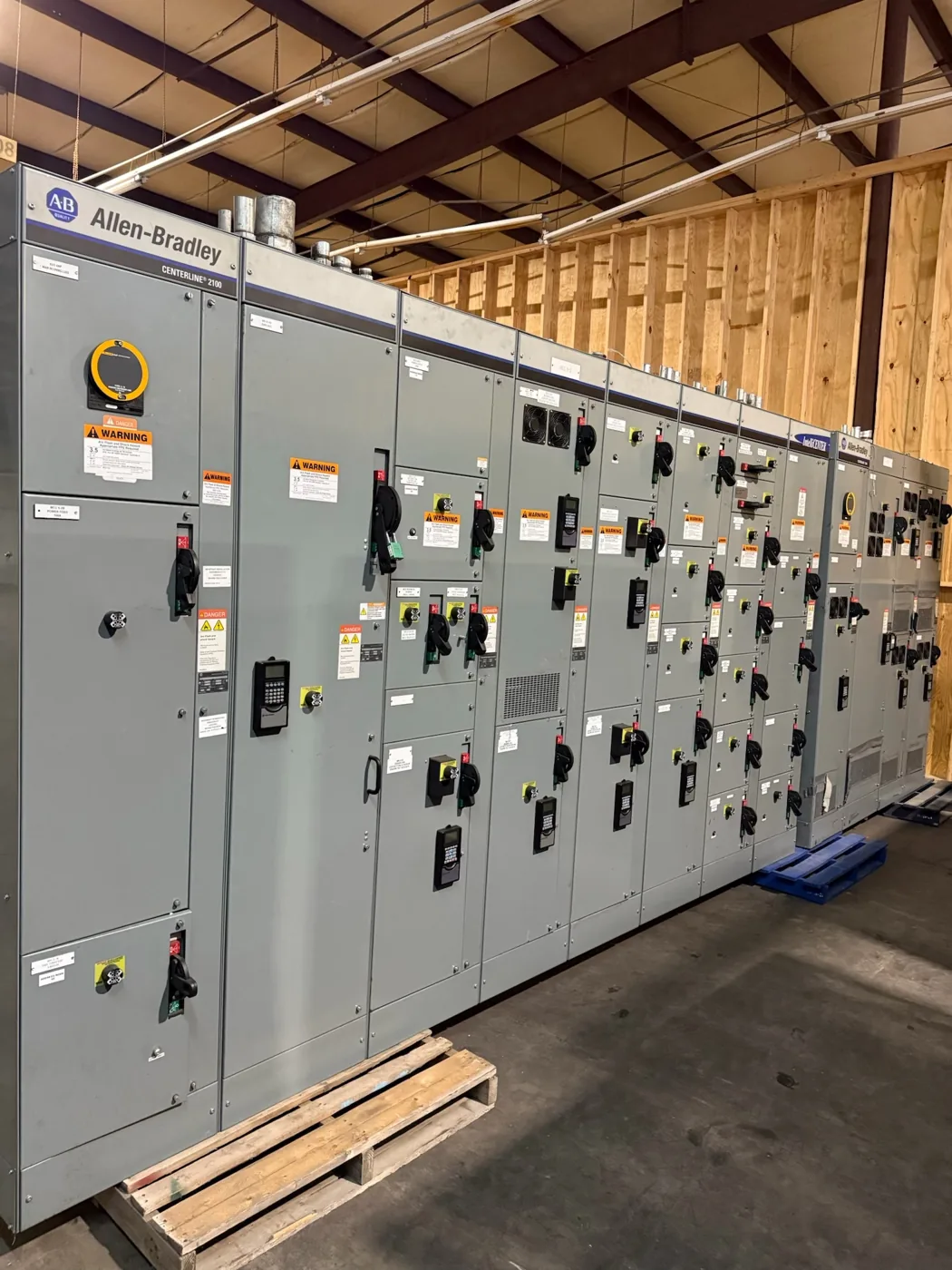
A metal-clad lineup can be difficult to describe if its sections and removable breakers are counted separately. Before requesting an offer, note how many sections appear to make up the lineup and how many removable breakers are included. If you want to sell used metal-clad switchgear in San Francisco, CA, these details help the buyer review the specific equipment.
Do not assume every breaker or loose component belongs to the same sale. Identify what is visibly part of the lineup and what is stored separately, then explain any uncertainty. This helps avoid treating a spare, removed, or unrelated component as included without agreement.
The buyer buys used and surplus switchgear, including equipment from decommissioned data centers and shut-down power plants. A seller can request a quote without conducting tests. The buyer reviews the equipment information and makes an offer if appropriate; an offer depends on that review rather than a generic description of metal-clad gear.
Use Labels and Records to Clarify Configuration
Share readable lineup labels and any available ratings exactly as they appear. If a label is missing, faded, or difficult to read, say so instead of supplying an assumed value. Exterior views can help show the arrangement of sections, but they should be taken only from a safe position without opening equipment or approaching energized gear.
Describe the configuration in terms you can confirm, such as the count of sections and removable breakers. Existing schedules, drawings, or service records can help distinguish the lineup’s arrangement and components. Their purpose is to inform a review; they are not a demand for new reports or proof that the equipment is fit for service.
If the metal-clad switchgear is still installed, say whether it remains connected or has been disconnected by qualified personnel, if known. If it is already in storage, mention that instead. This status gives useful context about the equipment’s present location and logistics without requiring you to alter it or arrange electrical work.
Share Existing Condition Information
A careful description can include visible exterior condition and any known missing sections or breakers. Avoid claiming that the equipment works unless you have a basis for that statement, and do not run tests to create one. The seller is not required to test equipment to request a quote or receive consideration.
Available service records, decommissioning notes, and drawings may help explain the lineup’s history and composition. Share existing material if convenient, while distinguishing documented details from recollection. If no records are available, say that directly. A buyer can review the information provided and ask questions where a detail could affect the equipment description.
Existing photographs are optional and should be limited to safely visible exteriors, labels, and nameplates. Never open electrical equipment to photograph internal parts or connections. If the gear is energized or a photograph cannot be taken safely, do not attempt it. A written account of what you can observe is preferable to unsafe access or speculation.
Describe Release and Loading Conditions
For a useful logistics discussion, describe the site access you already know: the route from the lineup to a loading point, any restricted access, and whether the equipment has a scheduled release date. Mention loading restrictions or access windows that may affect planning. These facts help coordinate a potential removal, but you do not have to arrange the work.
The buyer handles and pays for crane, rigging, electrical disconnects, loading, freight, and hauling if a purchase is agreed. You are not expected to hire a rigging crew, disconnect the equipment, or prepare it for transport. Sharing restrictions is different from taking responsibility for removal; the buyer coordinates the logistics at its expense.
Qualified personnel must handle electrical work and disconnects while following applicable safety procedures. Do not approach energized equipment or open compartments to prepare for pickup. If the equipment’s status or release timing is uncertain, report that uncertainty. The buyer can consider the information before deciding whether to make an offer and how to plan logistics.
Request an Equipment-Specific Offer
A clear quote request can state the number of metal-clad sections, how many removable breakers are included, what labels and ratings are readable, and whether the lineup is installed or stored. Add available service records and known release or loading restrictions. Optional exterior photos can help, but no photo is needed if obtaining it would be unsafe.
The buyer reviews the offered equipment and information before making any offer. Clarifying what is included, what is stored separately, and what remains unknown helps keep that review focused. A quote is not a guaranteed valuation; it depends on the particular lineup and the details available for consideration.
The business makes cash offers and pays upfront if a purchase is agreed. An offer itself does not trigger payment, and you can decide whether to accept after reviewing the proposal. Seller testing is not required. If the transaction proceeds, the buyer takes care of the agreed disconnects and all rigging and transportation at its expense.