THE BUYER'S GUIDE / CALIFORNIA
Sell Used Low-Voltage Switchgear in San Francisco, CA
Turning Surplus Low-Voltage Gear Into a Quote
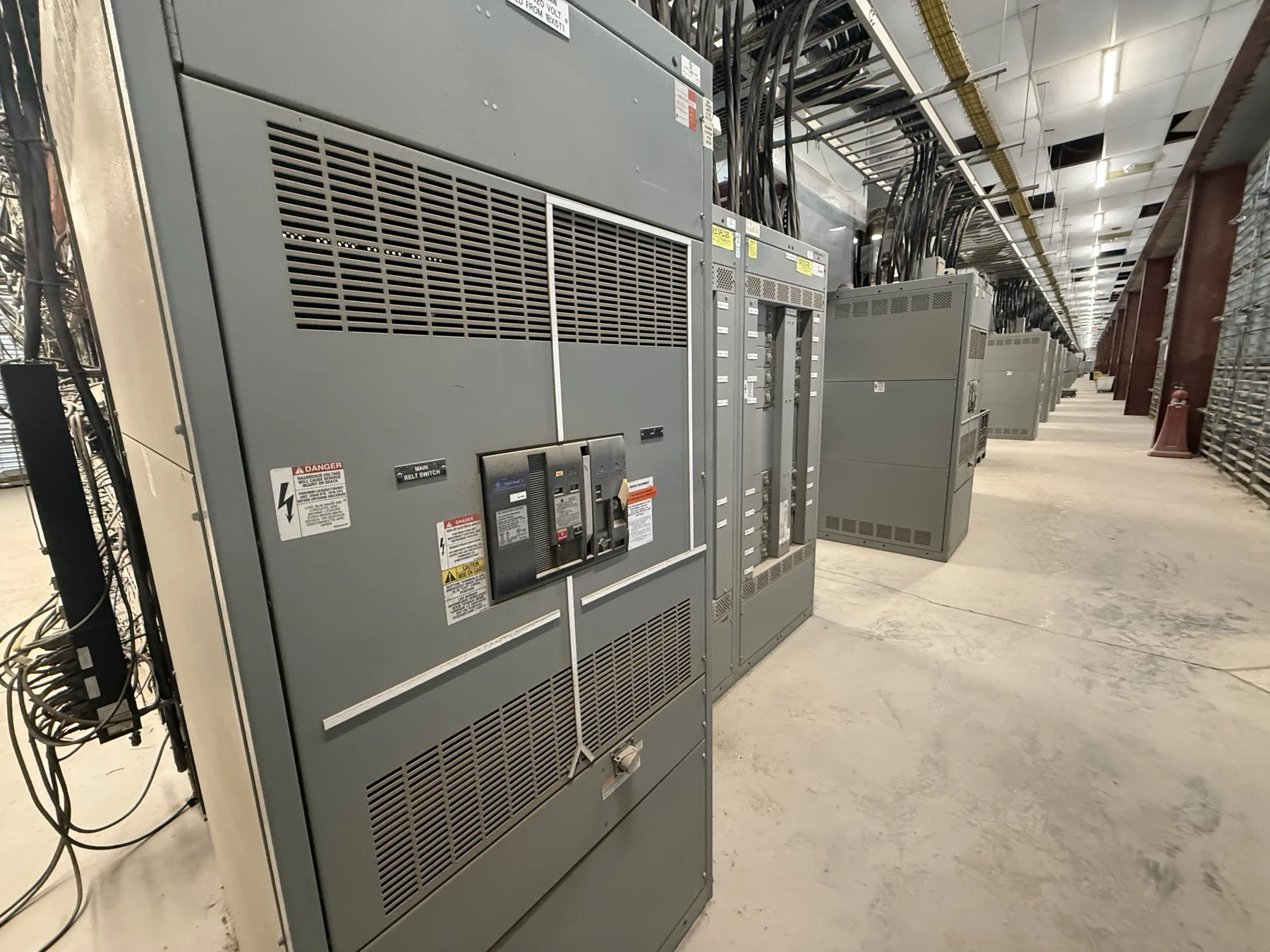
When a facility no longer needs a low-voltage switchgear lineup, identifying what is actually available is the practical first step toward a sale. If you want to sell used low-voltage switchgear in San Francisco, CA, a clear description helps a buyer review the equipment without guessing about its construction or condition.
Switchgear may become surplus during a renovation, a system change, or decommissioning at a data center or power plant. Whatever the reason, you can describe the equipment and request an offer without first arranging testing. The buyer purchases used and surplus switchgear across all voltage classes.
A quote depends on reviewing the particular equipment, so an inquiry should distinguish known facts from details that are unavailable. You do not need to promise a particular condition or valuation. Share what you can confirm safely, and explain whether the lineup remains installed or has already been placed in storage.
Identify the Lineup and Its Ratings
Start with the lineup’s readable nameplate information, especially voltage and current ratings. Include a main rating when it is clearly shown, but do not fill gaps from memory or infer values from nearby equipment. A correct description lets the buyer consider the actual low-voltage gear rather than a presumed specification.
Describe the breaker configuration in practical terms: how many breakers appear to be included, and whether the lineup has a main breaker and feeder sections, if known. Existing labels or equipment schedules may help distinguish sections. If a label is unreadable or a configuration is uncertain, say so instead of treating an estimate as a confirmed fact.
Accessible exterior and nameplate photos can clarify dimensions, labels, and general arrangement. They are optional, not a condition of requesting a quote. Do not open electrical equipment or approach energized gear to take pictures. If a view cannot be obtained safely, skip it; a written description is still useful, and seller testing is not required.
Explain Status and Available Records
Let the buyer know whether the low-voltage lineup is installed, disconnected by qualified personnel, or already stored. This status affects how the equipment can be reviewed and what planning may be needed, but it does not require you to perform electrical work. Any disconnects are handled by the buyer through qualified personnel following applicable safety procedures.
If available, share existing equipment schedules, maintenance records, drawings, or decommissioning notes. Such records can help clarify what components belong to the lineup and whether the described configuration matches the labels. They are information for review, not a request that you run tests, create new reports, or certify performance.
Be explicit about what is included in a potential sale. For example, identify whether breakers or separately stored components are part of the same lot, and note any known omissions. A complete, candid description helps the buyer assess the specific equipment. It also avoids treating accessories, spare parts, or unrelated gear as included when that has not been agreed.
Describe Access Without Taking on the Work
For equipment in San Francisco, useful access details are about the actual route from its present location to a loading point. If known, describe door clearances, corridor turns, floor changes, loading-area limitations, or access windows. These details help the buyer plan logistics; they do not establish that any particular site or installation exists.
You are not expected to arrange a crane, rigging, electrical disconnects, loading, freight, or hauling. If a purchase is agreed, the buyer handles and pays for those logistics. Share any known site restrictions and the contact or scheduling process that applies, but do not move the equipment or alter electrical connections on the buyer’s behalf.
Electrical handling and disconnects belong to qualified personnel following applicable safety procedures. Never approach energized equipment or open an enclosure to prepare for a quote. If access conditions are uncertain, describe what you know and say what remains to be confirmed. The buyer can review the information before coordinating any work or transportation.
Request a Review and Offer
To request a quote, provide the equipment type, readable ratings, breaker configuration, approximate section count if known, and whether the lineup is installed or stored. Add optional, safely obtained exterior or nameplate photos and any existing records. Explain uncertainties plainly; no testing is required, and no photo is needed if obtaining one would be unsafe.
The buyer reviews the information to determine whether to make an offer for the particular surplus equipment. An offer is not a guaranteed valuation, and the amount depends on that review. You can discuss what is included and clarify access or timing details before deciding whether to proceed.
The business makes cash offers and pays upfront if a purchase is agreed; payment does not follow merely from requesting or receiving an offer. The seller’s role is to share available information and decide whether to accept. The buyer takes responsibility for the agreed rigging and logistics at its expense, leaving the seller with no testing or transport arrangements to make.