THE BUYER'S GUIDE / CALIFORNIA
Sell Used Metal-Clad Switchgear in Chula Vista, CA
Describe the Metal-Clad Lineup Clearly
When planning to sell used metal-clad switchgear in Chula Vista, CA, start by describing the lineup as it exists today. A clear account of the equipment helps a buyer review the actual asset rather than assume that every lineup has the same arrangement, completeness, or condition. Include the number of sections and, if known, the general role of each section.
Also describe the removable breakers included in the proposed sale. Give the quantity and any identifying information that is already readable on labels or records; do not guess at missing ratings or configurations. Breaker count matters because a lineup may have been altered over time, and separately stored or omitted breakers can change what is included in the asset being reviewed.
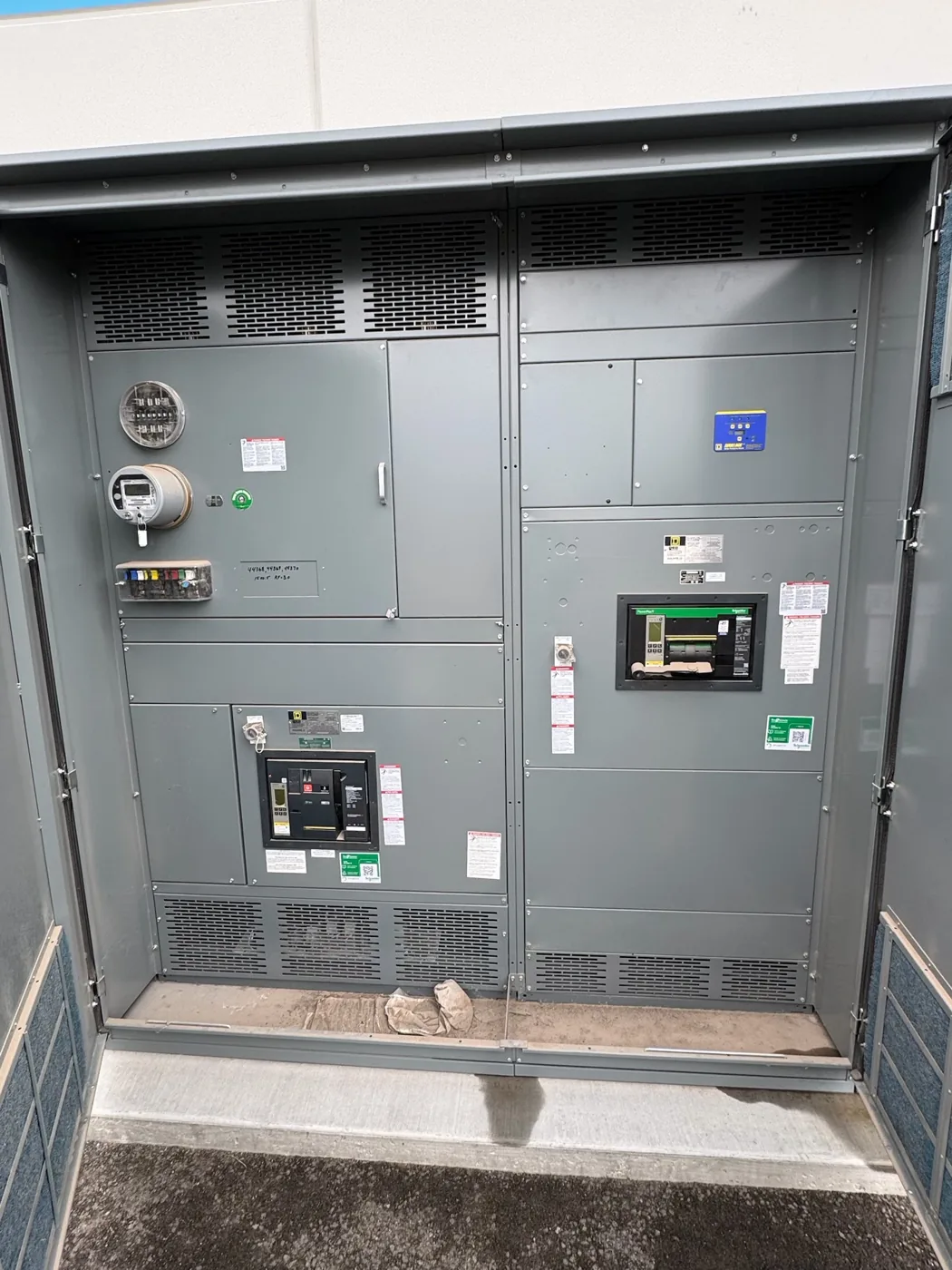
Existing photographs of the exterior, lineup labels, and safely visible nameplates may help explain the equipment. They are optional, and no photograph is needed if getting it would require approaching energized equipment, opening a compartment, or entering an unsafe area. A concise description is useful even when no suitable images are available.
Share Configuration and Available Records
Metal-clad switchgear is best reviewed as a specific assembly, not just by its broad equipment category. Share the manufacturer, model, and readable lineup identifiers when available, along with the configuration information shown in existing records. If a label is unclear or unavailable, say so rather than inferring its meaning. Accurate uncertainty is more useful than a confident but unsupported guess.
Service records, prior inventory documents, or decommissioning notes can add context about the lineup's history and current completeness. You may share records already on hand, but you do not need to create new documents or conduct tests. A buyer can consider what information exists while evaluating the equipment; the seller is not required to certify its operating condition.
Explain whether breakers, control components, accessories, or other parts are included or stored separately. Identify known gaps and distinguish them from items whose status is simply unknown. This helps define the scope of a possible purchase and reduces confusion when equipment is reviewed as a complete lineup alongside loose parts.
Explain the Decommissioning and Condition
A facility change, equipment replacement, or shutdown may leave metal-clad switchgear available for review. For a seller in Chula Vista, the reason for removal can be stated plainly without suggesting that a particular local project or installation exists. If the equipment has already been removed, note where it is stored and whether the sections remain together.
Describe visible exterior condition using observations you already have, such as missing doors, damaged panels, or labels that are difficult to read. Do not open the equipment to inspect internal parts or attempt to obtain details from energized gear. If condition information is limited, say what is known and let the buyer review the available description and records.
Testing is not a condition of making an inquiry. Do not energize, operate, or test the lineup to support a quote request. Electrical handling, isolation, and disconnects belong to qualified personnel following applicable safety procedures. The buyer handles and pays for electrical disconnects as part of the logistics, so the seller should not undertake that work for the sale.
Plan Access Without Taking on the Work
The physical route from the lineup to loading can matter when the equipment is large or divided into multiple sections. Share known access details, including any access windows, floor changes, tight turns, or separate storage areas. These facts help the buyer understand the pickup plan; they do not make the seller responsible for arranging a crane or moving the equipment.
If some breakers or other parts are stored separately, explain their locations and whether they can be identified from existing records. Mention known restrictions on access or timing, but do not move heavy components or enter hazardous areas to gather information. If an access detail is uncertain, mark it as uncertain so it can be discussed during review.
If a purchase is agreed, the buyer handles and pays for crane, rigging, disconnects, loading, freight, and hauling. The seller does not have to hire a rigger, arrange transport, or perform electrical work. Qualified personnel must handle electrical tasks under applicable safety procedures; never approach or open energized equipment to prepare it for removal.
Request a Review and Quote
To request a quote for used metal-clad switchgear in Chula Vista, provide a concise description of the lineup, section count, removable breaker count, readable labels, known configuration, and available records. Add optional exterior or nameplate photographs only if they already exist or can be taken safely. No testing is required, and no photo is worth taking if doing so would be unsafe.
Explain whether the lineup is still installed, already disconnected by qualified personnel, or in storage, and share what is known about access. A quote depends on review of the equipment and information provided, so an inquiry is not a guaranteed valuation or a promise that a purchase will proceed. The buyer may need to clarify the scope before deciding whether to make an offer.
The business buys used and surplus switchgear across all voltage classes, including equipment from decommissioned data centers and shut-down power plants. It makes cash offers and pays upfront if a purchase is agreed; an offer alone does not trigger payment. The seller does nothing but get paid, while the buyer handles and pays for rigging and logistics.