THE BUYER'S GUIDE / CALIFORNIA
Sell Used GE Switchgear in California
Planning a California Facility Change
A facility change can leave GE switchgear in place even when the electrical system is being redesigned, consolidated, or retired. If you plan to sell used GE switchgear in California, begin by recording what is already available rather than arranging tests or disturbing installed equipment. A clear inventory gives a buyer a basis for review.
Switchgear may include assemblies with several sections, protective devices, controls, and connections. Describe the equipment as a complete lineup or as separate components only when that distinction is clear from facility records or a visual inventory. Do not assume that every panel or breaker shares the same model or rating.
The buyer purchases used and surplus switchgear, including equipment from decommissioned data centers and shut-down power plants. It makes cash offers and pays upfront after reviewing the equipment. The seller is not asked to test it; the seller’s role is to share available information and receive payment.
Record the Equipment Identity
For GE equipment, provide the complete model designation, ratings, condition, and photographs of each available nameplate. A model prefix alone may not distinguish an assembly from a particular section or configuration. Clear, readable images help the reviewer compare the recorded identity with the physical equipment without asking you to interpret unfamiliar codes.
Record voltage and other ratings exactly as shown, rather than estimating them or copying values from a nearby component. If information is missing, obscured, or unreadable, say so. The point is not to reconstruct a nameplate; it is to separate confirmed details from uncertainties so the equipment can be assessed on an honest basis.
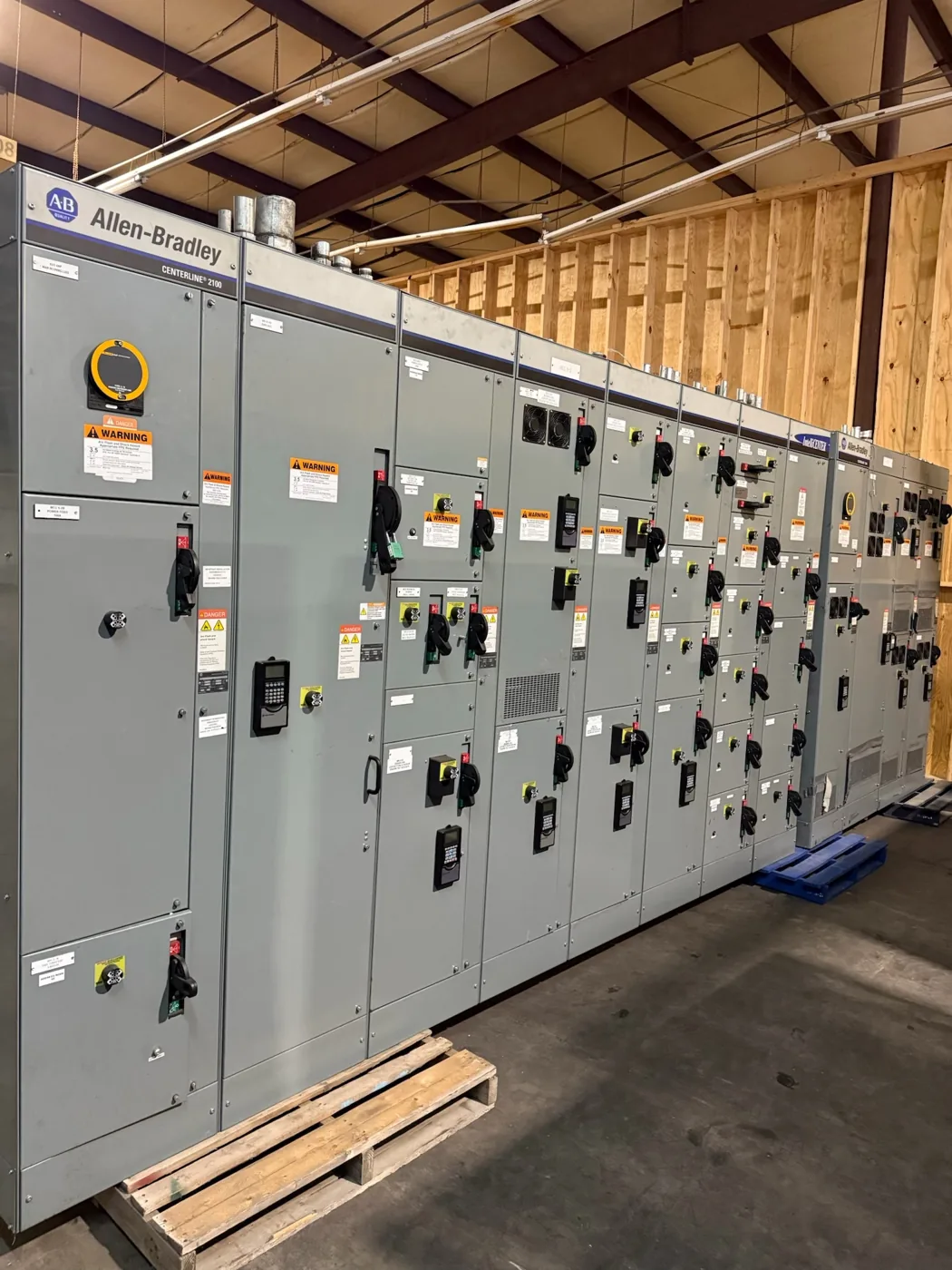
Photographs can also show the overall lineup, visible labels, and general condition. Include context that helps connect close-up nameplate images to the corresponding equipment. Avoid opening compartments or removing covers to obtain pictures. Electrical handling and disconnects belong to qualified personnel following applicable safety procedures, and the buyer handles the work.
Explain Condition and Project Status
Condition notes should distinguish what you can see from what you have not verified. You can mention visible damage, missing external parts, storage conditions, or whether equipment remains installed, if those facts are known. You do not need to diagnose the cause of a mark or make a technical judgment about internal operation.
If maintenance records, prior inspection documents, or service notes are already available, they may provide useful context. Sharing existing records is different from commissioning new tests. No seller test is required for a quote request, and a lack of test results should simply be stated rather than hidden or treated as proof of a particular condition.
Explain why the equipment is becoming surplus, such as a planned replacement or decommissioning, only to the extent that the reason is known and useful. For a larger project, identify whether the listed items are one group or several groups being removed at different stages. A concise account helps a reviewer understand scope without assuming a schedule or site detail.
Prepare for Safe Access and Removal
When equipment remains installed, describe its general location within the facility and any access constraints you already know, such as a restricted route, loading-area limitation, or need to coordinate with site management. These practical details help determine what logistics may involve. Do not perform electrical work to make the equipment easier to inspect or move.
The buyer handles rigging and logistics at its expense, including crane, rigging, disconnects, loading, freight, and hauling. Qualified personnel follow applicable safety procedures for electrical handling and disconnects. The seller does not need to arrange these services or assume responsibility for that work as part of the transaction.
It can still help to say whether equipment is in a basement, on an upper level, or near a loading area, if that information is reliable. Mention known access windows or facility coordination requirements without promising that a particular removal date is available. The buyer can review these details with the equipment information before discussing arrangements.
Request a Review and Cash Offer
To request a quote, send the GE identification details, ratings, nameplate photos, condition notes, and the approximate quantity or lineup scope you can confirm. Add the California location at a practical level and explain whether the gear is installed or already removed. These details help the buyer review the equipment and its logistics together.
State plainly where information is incomplete. A review depends on the equipment details provided, so no price, eligibility, or exact timing should be assumed before that review. If the buyer can make an offer, it is a cash offer with payment upfront. The seller is not required to conduct tests to begin the conversation.
If the switchgear comes from a decommissioned data center or shut-down power plant, include that project context when relevant, but do not add site claims that are not known. Once the buyer has reviewed the information, the seller can discuss the proposed transaction and removal. The seller does nothing but get paid while the buyer handles rigging and logistics.