THE BUYER'S GUIDE / CALIFORNIA
Sell Used GE Circuit Breakers in California
What You Know—and What You Don’t
When preparing to sell used GE circuit breakers in California, you do not need to resolve every technical uncertainty before asking for a quote. Start with facts that are already visible or documented, and identify what remains unknown. A buyer can review the information without requiring you to test a breaker or certify its performance.
A circuit breaker might be part of a larger switchgear lineup or stored separately after a project change. Explain which situation applies and whether you are describing one breaker, several units, or an inventory whose exact count is still being confirmed. Avoid treating nearby labels as proof that every device has an identical model or rating.
The business buys used and surplus switchgear and related equipment, including material from decommissioned data centers and shut-down power plants. It makes cash offers and pays upfront after reviewing the equipment. You can request a review using available information; testing is not a seller requirement.
Identify Each Breaker Clearly
For breakers labeled GE, provide the complete model, ratings, condition, and photographs of the nameplate. A full designation is more useful than a brand name or partial code because it helps distinguish one configuration from another. Take readable photographs when the information is accessible without electrical work or opening equipment.
Record the ratings as printed, including any details that are visible on the nameplate, and keep each image associated with the breaker it represents. If the label is worn, blocked, or incomplete, say which part cannot be read. Do not fill gaps by guessing from another breaker, a panel schedule, or a similar-looking device.
Describe the quantity and how the breakers are grouped. If some units are installed and others are stored, separate those facts in your notes. The reviewer can use this context alongside the identification to understand the scope. You are sharing available evidence, not making a technical determination about suitability or condition.
Describe Condition Without Testing
A useful condition description is specific but modest. Report visible damage, missing external pieces, signs of storage, or other observations you can make safely. If you do not know whether a breaker operated correctly before removal, say that it is unknown. This prevents a visual description from being mistaken for a performance claim.
Existing service records or inspection documents may be shared if they are already on hand. They can help explain history, but you are not required to obtain new reports or test equipment for a quote. Do not handle energized equipment. Electrical handling and disconnects must be performed by qualified personnel following applicable safety procedures; the buyer handles that work.
Breakers from the same project may have different histories or conditions. Note any known distinction rather than applying one blanket description to every unit. If the breakers remain part of a lineup, identify the associated switchgear when you can. This context helps the buyer assess what is being offered without asking you to dismantle or inspect the assembly.
Keep Removal and Access in View
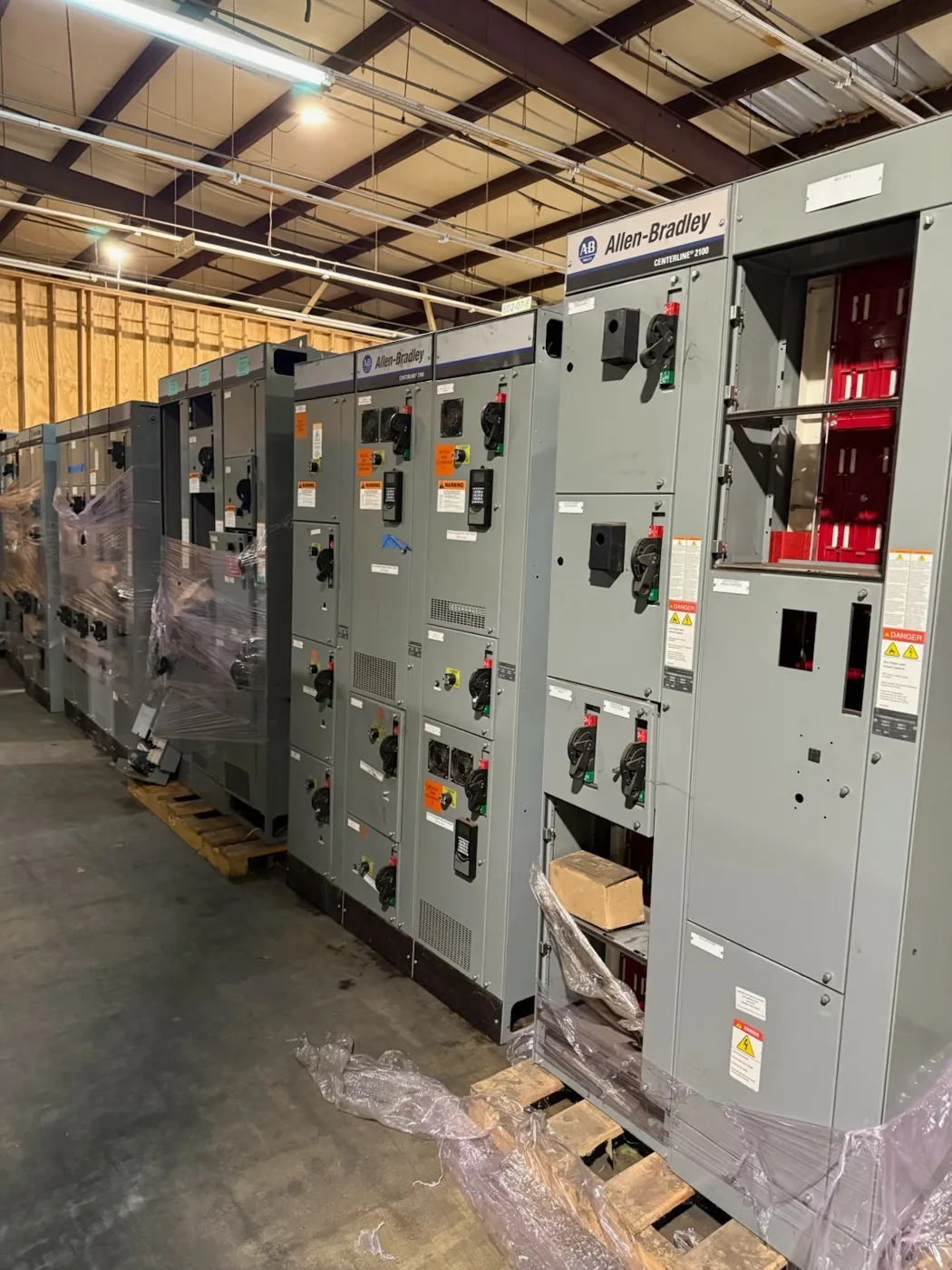
For equipment still installed, explain whether the breakers are part of an assembled lineup and where the lineup is situated within the facility, if known. Mention practical access facts such as a narrow route or loading restrictions only when you can describe them accurately. You do not need to disconnect, remove, or prepare electrical equipment for a buyer’s review.
The buyer handles rigging and logistics at its expense, including disconnects, rigging, crane, loading, freight, and hauling. Electrical handling and disconnects are performed by qualified personnel following applicable safety procedures. This arrangement means the seller need not coordinate those services as a separate burden or undertake technical work.
For stored breakers, indicate whether they are grouped, labeled, or separated from their original equipment. For installed breakers, share known site coordination considerations without proposing unsafe access or making removal promises. The buyer can consider the logistical details together with the equipment information after reviewing the quote request.
Send a Complete Quote Request
A practical request includes the complete GE model information, visible ratings, nameplate photos, a condition description, and the number of breakers or broader scope you can confirm. State whether they are installed or stored, and provide the California location information needed to understand access and freight. Separate confirmed details from estimates or unknowns.
A quote depends on reviewing the equipment; the information in a request is not a guaranteed valuation or confirmation of eligibility. Do not wait for test results that you are not required to provide. If the buyer can make an offer after review, it is a cash offer and payment is upfront, with no promise of a particular price or timing.
If the breakers are surplus from a facility retirement or a larger switchgear replacement, a short explanation can help clarify why they are available. Keep the account limited to facts you know. The buyer manages rigging and logistics, while the seller’s task is to provide available information, consider the reviewed offer, and get paid if proceeding.