THE BUYER'S GUIDE / CALIFORNIA
Sell Used Gas-Insulated Switchgear in San Bernardino, CA
Assessing Surplus Gas-Insulated Switchgear
When a facility in San Bernardino has surplus gas-insulated switchgear, deciding whether to sell it begins with identifying what is present and why it is no longer needed. Equipment may become surplus during a facility change, a system upgrade, or decommissioning. A clear description helps a buyer review the asset without assuming details about its installation or local history.
Gas-insulated switchgear differs from air-insulated assemblies because insulation uses gas within designed enclosures. Its arrangement, voltage class, model, and gas type are important to an initial review. These details help distinguish one configuration from another and frame questions about the number of sections, condition, and removal planning. Share only information available in existing records or safely visible markings.
A business that buys used and surplus switchgear can review equipment from any voltage class, including units removed from decommissioned data centers and shut-down power plants. No seller testing is required. If a sale is agreed, payment is upfront, and the buyer handles and pays for electrical disconnects, crane work, rigging, loading, freight, and hauling.
Identification, Gas Type, and Records
For a useful quote review, provide the manufacturer and model if documented, the gas type stated in records, and the voltage class if known. Do not guess at missing nameplate details. Existing documents, such as equipment schedules, manuals, or service records, can help clarify the design and history without requiring anyone to open an enclosure or inspect internal components.
The number of connected sections and any known configuration information can affect how the complete assembly is understood. Mention whether the equipment is a single section or part of a larger lineup, and whether related components are included. A short explanation of what is being offered helps prevent confusion between a complete assembly and only selected sections or accessories.
Condition information should be factual and limited to what is already known. For example, share whether records note past service, whether the equipment was operating before removal, or whether there are visible exterior concerns. You do not need to energize, test, dismantle, or open the switchgear. Qualified personnel must handle electrical work and gas-related handling under applicable safety procedures.
Condition and Safe Information Sharing
Service records can help explain maintenance history, prior repairs, storage, or the circumstances of removal. If the records are incomplete, say so rather than filling gaps with assumptions. A buyer can review the information available and ask follow-up questions. The absence of a test report does not prevent a quote request, since sellers are not required to test equipment before an offer review.
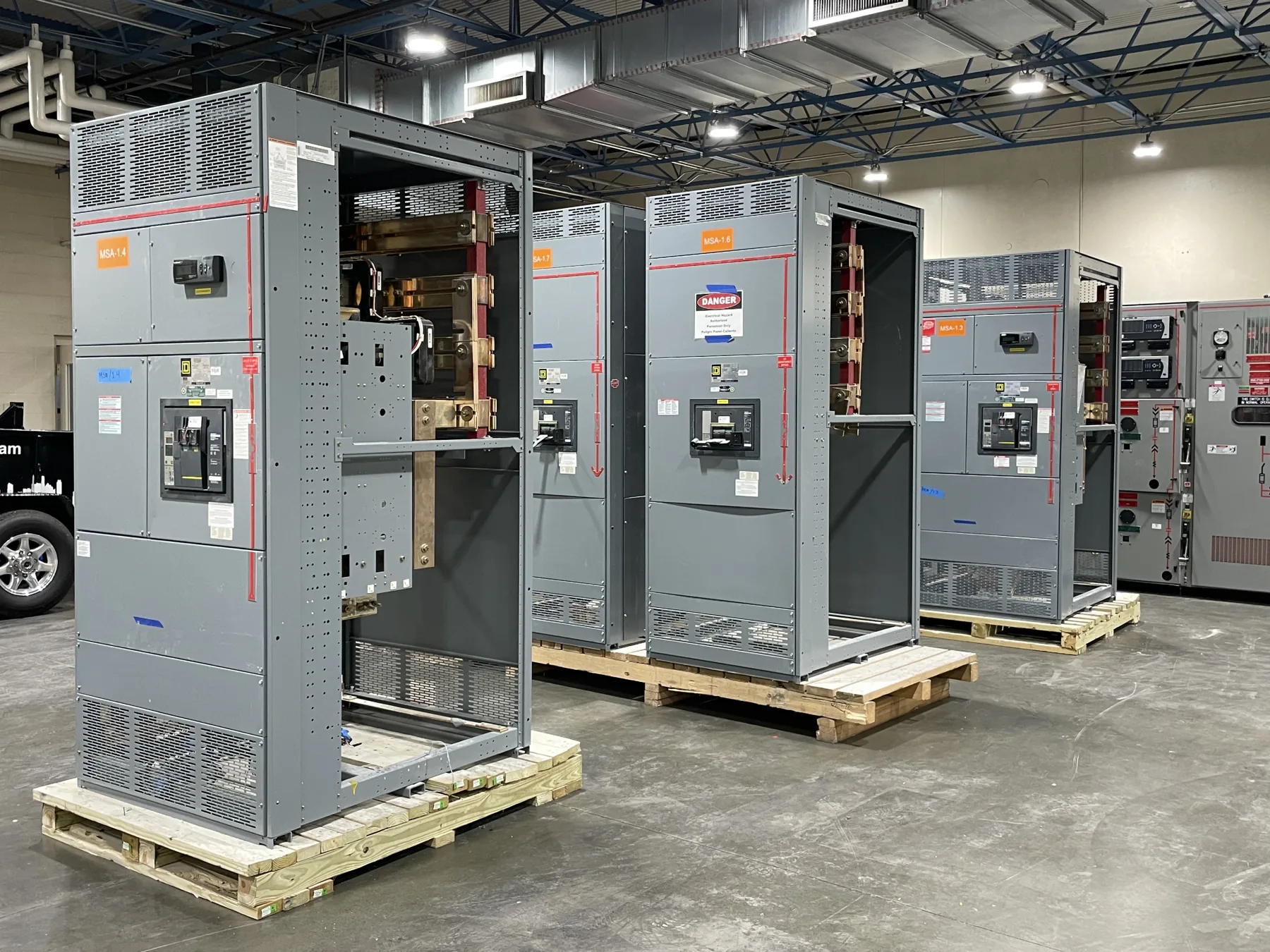
Photos are optional. If exterior or nameplate views already exist, they may help show the general arrangement and identify visible markings. Never approach energized equipment to take a picture, remove a cover, or reach a connection. Do not open gas compartments or handle gas for the purpose of preparing a sale. If obtaining an image is unsafe or impractical, provide written information instead.
Describe visible condition in ordinary terms, such as whether the exterior appears intact or whether a section is known to be incomplete. State any known lifting constraints, unusual dimensions from existing documentation, or limited access that could affect removal planning. These details are useful for coordination, but the seller is not expected to perform an inspection or arrange electrical disconnection.
Planning Removal and Site Access
Removal planning for gas-insulated switchgear depends on the actual assembly, its location, and the available access route. Information about the number of sections, approximate dimensions when documented, clearances, and known lifting limitations can help the buyer consider crane and rigging needs. Share what is already known; do not measure near unsafe equipment or create new access risks merely to answer a question.
The buyer handles and pays for crane, rigging, electrical disconnects, loading, freight, and hauling. Electrical disconnects and other electrical handling are performed by qualified personnel following applicable safety procedures. The seller does not need to disconnect the equipment, hire a rigging crew, arrange a crane, or prepare transportation. Practical access notes can still help the parties coordinate work after a purchase is agreed.
If the equipment remains installed, explain its general location within the facility and any known route limitations, such as narrow passages or restricted loading access. Do not enter controlled areas or approach energized gear to gather details. For equipment already removed, note how it is stored and whether its sections are grouped together, based only on information safely available.
Requesting a Review and Quote
To request a review for used gas-insulated switchgear in San Bernardino, describe the equipment and the reason it is surplus. Include the manufacturer, model, gas type, voltage class, number of sections, and condition details when those facts are documented or known. Mention available service records and any existing exterior or nameplate photos, but do not delay a request because a photo is unavailable.
Add known lifting constraints, current equipment status, and access considerations that could matter during removal. If the switchgear came from a decommissioned data center or shut-down power plant, that context can be useful, though no additional site history should be presumed. A quote depends on reviewing the equipment and the information provided; an offer is not a promise of purchase or payment.
Once the equipment has been reviewed, the buyer can make a cash offer. If the purchase is agreed, payment is upfront, and the seller does not have to test the switchgear or arrange removal services. The buyer handles and pays for disconnects, crane work, rigging, loading, freight, and hauling, leaving the seller with the task of sharing available information and getting paid if a sale proceeds.