THE BUYER'S GUIDE / CALIFORNIA
Used Switchgear Buyers in San Bernardino, CA
Start With the Surplus Decision
Deciding that switchgear is surplus is a useful first step, but it does not establish what the equipment is worth or whether it can be considered. Owners looking for used switchgear buyers in San Bernardino, CA can begin by describing the asset and its current situation. A buyer must review the equipment before making an offer, so a request can start with available facts.
Explain why the switchgear is being offered, such as a facility upgrade, a change in electrical requirements, or a decommissioning, only when that reason applies. The business buys used and surplus switchgear, including equipment from decommissioned data centers and shut-down power plants. Those examples describe the types of surplus sources it handles, not assumptions about your site.
Clarify whether the equipment is still in service, has been disconnected, or is stored elsewhere. If you do not know its status, say so. A straightforward account of what has happened helps the buyer understand the request without asking you to perform technical work or supply a history that does not exist.
Identify the Assembly Accurately
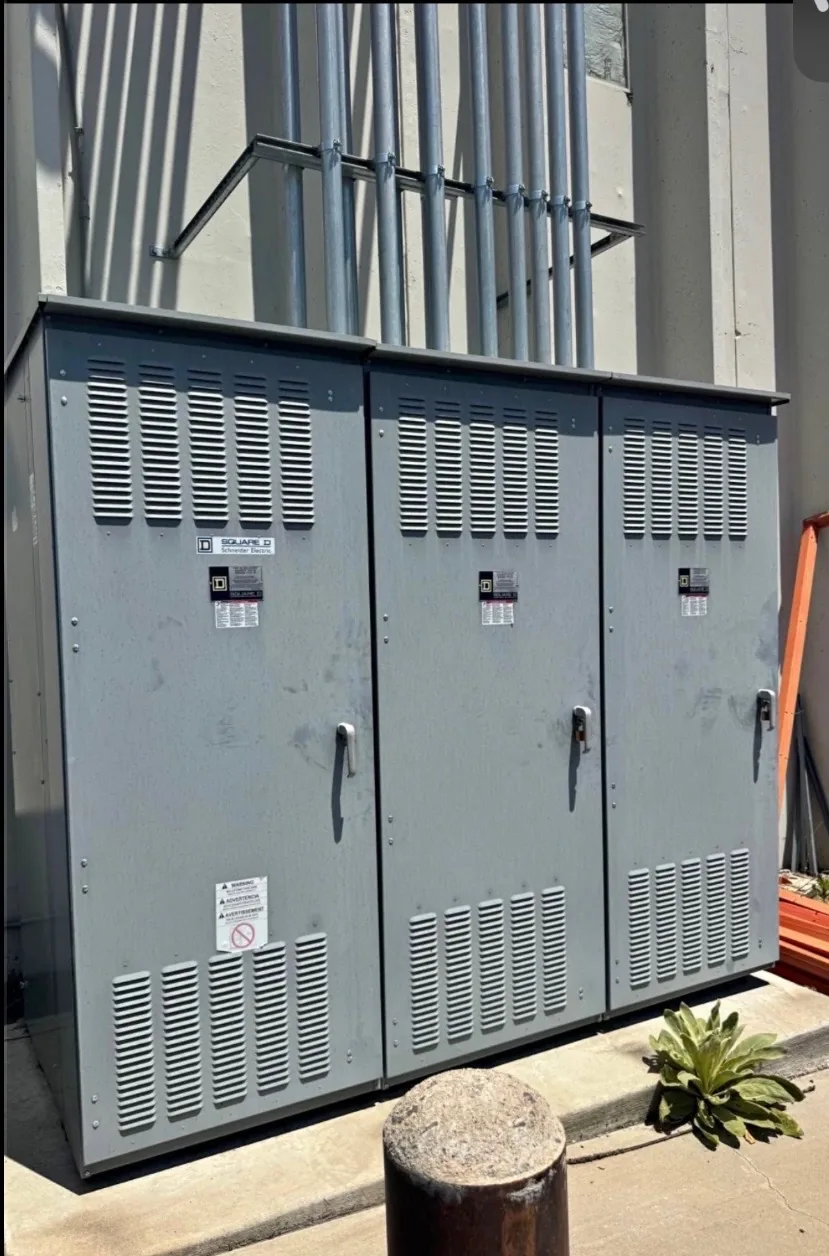
A useful description starts with the equipment’s general form: for example, a lineup, switchboard, or a group of separate components, if you can identify it. Record visible manufacturer and model details exactly as shown. Nameplate information such as voltage or amperage can help distinguish equipment, but never infer a rating from appearance or from another asset at the facility.
You can also describe the quantity and what you believe is included. If breakers, control sections, or accessories are part of the available equipment, mention them only when you can verify their presence. Where the boundary between included and excluded components is unclear, describe the uncertainty. This reduces the chance that a quote request is understood to cover more or less than intended.
Photographs may help show the overall arrangement and legible labels, provided they can be taken safely and without disturbing equipment. If a label cannot be read or access is limited, explain that. The goal is not to produce a technical survey; it is to give the buyer enough available context to decide what additional review may be useful.
Report Condition From Existing Information
Condition can be described from information already at hand, including maintenance documentation or observations made during ordinary facility work by qualified personnel. You may note whether the switchgear was operating before removal, if that is known, or identify visible damage and missing parts. Do not present an assumption as a verified condition, and do not create a new inspection solely for a quote.
Testing is not required by the buyer. Do not energize, operate, open, or handle equipment to answer a buyer’s questions. Electrical work, including disconnects, must be performed by qualified personnel following applicable safety procedures. If available test records exist, you may share them as background, but their absence does not mean you need to commission testing.
A useful message distinguishes what is documented, what was observed, and what remains unknown. This gives a buyer a more reliable basis for review than a broad claim that equipment is in good condition. It also avoids suggesting that an offer is guaranteed: the buyer reviews the equipment and the information before determining whether to make an offer.
Include Location and Access Context
For equipment in San Bernardino, provide the location needed to discuss access, while avoiding unnecessary sensitive site information. Say whether the switchgear is installed or staged and whether the route to it has known restrictions. If you know that a loading area, doorway, or site-entry process affects removal, mention the constraint without trying to design the lifting plan.
Heavy electrical equipment often requires coordinated handling, so access information can shape a practical removal conversation. You do not need to estimate weight, select a crane, or arrange transportation unless reliable information is already available. If dimensions or lifting records exist, they may be shared; otherwise, identify those details as unknown and let the buyer review what is available.
The business handles rigging and logistics at its expense, including crane, rigging, disconnects, loading, freight, and hauling. The seller does nothing but get paid. Qualified personnel must perform electrical handling and disconnects under applicable safety procedures. Share any site coordination requirements so those arrangements can be discussed without asking your staff to take on the removal work.
Request a Review and Cash Offer
A clear quote request brings together the equipment description, known condition, San Bernardino location, and present status. Add photographs or records if they are already available, and identify any uncertainty directly. State whether your request covers one assembly or a larger lot. These details help the buyer understand what equipment you want reviewed before making an offer.
There is no need to test the switchgear or prepare it for removal. The business buys all voltage classes and makes cash offers, with upfront payment when proceeding. The offer depends on reviewing the equipment; neither a particular price nor eligibility can be promised before that review. Sharing accurate information is more useful than trying to predict the outcome.
When contacting used switchgear buyers in San Bernardino, CA, ask for a review of the specific equipment and explain how access can be coordinated. Include the best available description and say what records or images you can provide. The buyer can then assess the information and discuss next steps, including logistics handled at its expense.