THE BUYER'S GUIDE / CALIFORNIA
Sell 7,200-Volt Electrical Equipment in California
Start With Information for Review
When planning to sell 7200 volt electrical equipment in California, the first useful step is to describe what is on site before arranging removal. The buyer reviews available details to decide whether to make an offer; no one needs to test the equipment for a quote request.
Begin with the equipment type and its actual nameplate voltage. If the plate shows 7,200 volts, report that value as printed rather than rounding it or assuming a different system rating. A clear description helps distinguish a breaker, switchgear lineup, transformer, or other equipment.
The business buys used and surplus switchgear across all voltage classes, including equipment associated with decommissioned data centers and shut-down power plants. It makes cash offers and pays upfront after reviewing the equipment. An offer is not guaranteed; it depends on the information available about the specific equipment.
Identify the Equipment Accurately
For a useful initial review, share the manufacturer, amperage, equipment type, and condition when those details are available. Amperage can help describe the equipment's rating, while the manufacturer and model information may clarify exactly what assembly is being considered. Do not guess if a label is missing or difficult to read.
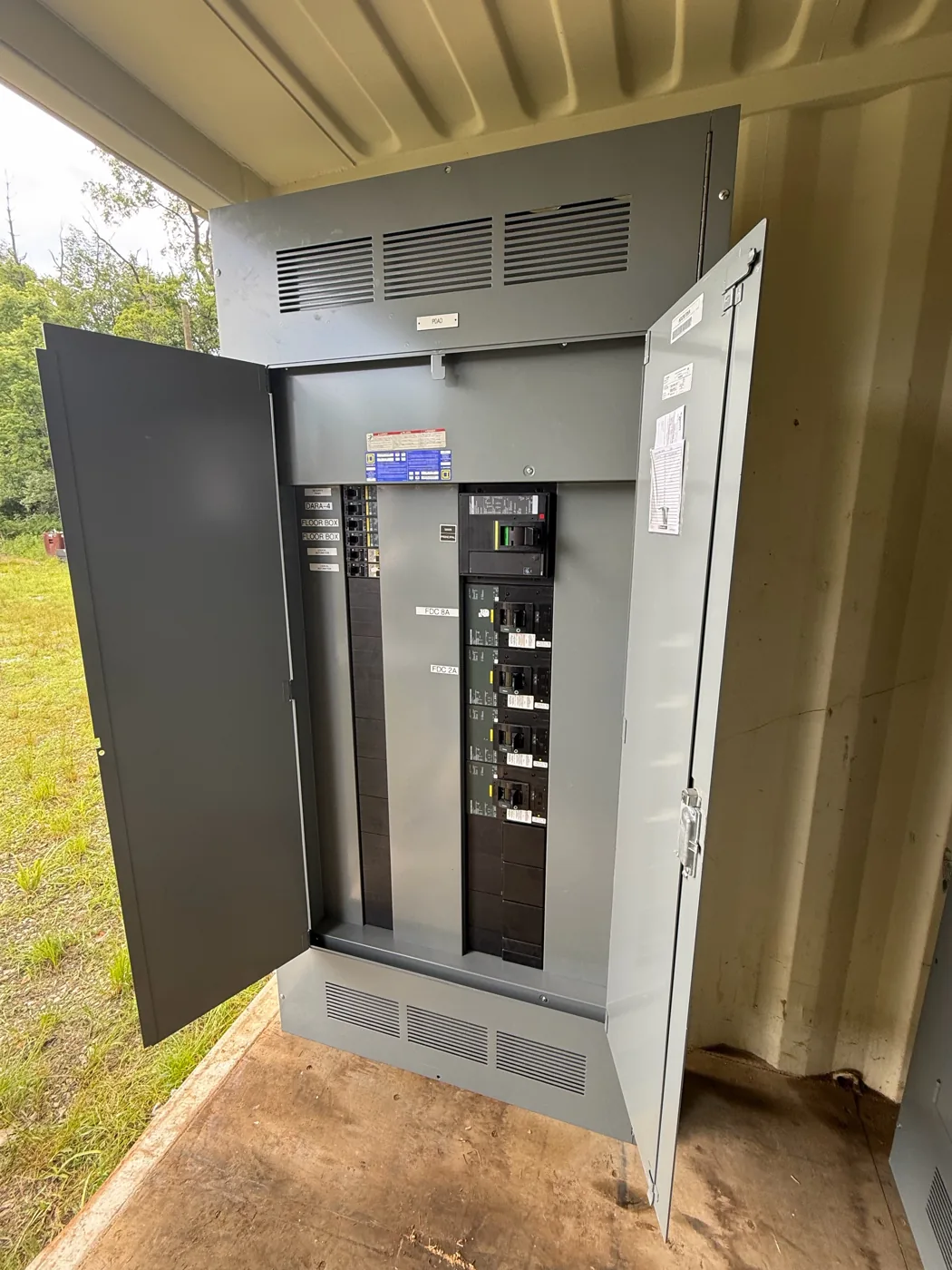
Photographs of readable nameplates and the overall equipment can supplement written details. Include views that show the lineup or unit, visible labels, and apparent completeness, but do not remove covers or approach equipment to obtain a picture. Electrical handling belongs to qualified personnel following applicable safety procedures.
Describe condition in straightforward terms, such as whether equipment is installed, stored, visibly incomplete, or awaiting removal. Mention known missing sections or components and explain whether records are available. These observations help the buyer understand what is being reviewed without representing that the equipment has been tested or is operational.
Use Decommissioning Details Carefully
A planned shutdown or facility change can make the equipment's identity less obvious, especially when records are being archived or units are grouped for removal. Gather the available asset list, drawings, or maintenance records if convenient. They can help connect a nameplate and equipment description without requiring anyone to perform new tests.
If the equipment came from a decommissioned data center, shut-down power plant, or another facility, describe that origin only if known. Add whether the equipment remains installed or has already been removed, and whether related components are included. Do not assume the buyer needs a particular document or that a former use establishes condition.
For equipment that is part of a larger lineup, explain how many sections are included and identify any known boundaries between the offered equipment and equipment staying behind. A simple overview prevents confusion about what the quote request covers. If quantities or ownership are uncertain, state that clearly rather than presenting an estimate as confirmed.
Plan Access Before Removal
Once the equipment has been reviewed, removal planning can address the site conditions that affect rigging and transport. Useful information includes the equipment's approximate dimensions, its current position, the path from its location to an exit, and any known loading constraints. Estimates are helpful when exact measurements are not readily available.
Share access details such as door or corridor restrictions, stairs, overhead clearance concerns, loading areas, and whether a crane may be needed. Photographs of the route can help explain the setting, provided they can be taken safely. The seller does not need to arrange removal: the buyer handles rigging and logistics at its expense.
Electrical disconnects and other electrical handling must be performed by qualified personnel following applicable safety procedures. Do not attempt to disconnect, move, or inspect energized equipment. The buyer handles disconnects, loading, freight, hauling, and related rigging arrangements, coordinating the work with the site as appropriate.
Make a Specific Quote Request
To request a review, describe the 7,200-volt equipment and provide its actual nameplate voltage, type, manufacturer, amperage, and observed condition. Include photographs or records already available, plus the quantity and whether the equipment is installed or removed. These details give the buyer a practical basis for considering the equipment.
Add the California site location at a level useful for planning, along with known access limitations and the anticipated decommissioning or removal context. Do not send a guessed rating as though it were confirmed. If a nameplate cannot be read, say so and share whatever identifying information is safely available.
The business reviews the submitted information before making an offer, so a quote is not a guaranteed valuation or a promise of eligibility. It does not require sellers to test equipment. If the buyer makes an offer, payment is upfront, and the seller's role is limited to sharing information and coordinating site access; the buyer handles removal logistics at its expense.