THE BUYER'S GUIDE / CALIFORNIA
Sell 240-Volt Electrical Equipment in California
Decide What You Can Identify First
If a 240-volt unit is still installed, you can begin a sale inquiry without switching it on or arranging a test. The practical first step is to read the nameplate from a safe, accessible position or use a clear photograph already on file. When you want to sell 240 volt electrical equipment in California, report the printed voltage rather than inferring it from a building system or neighboring panel.
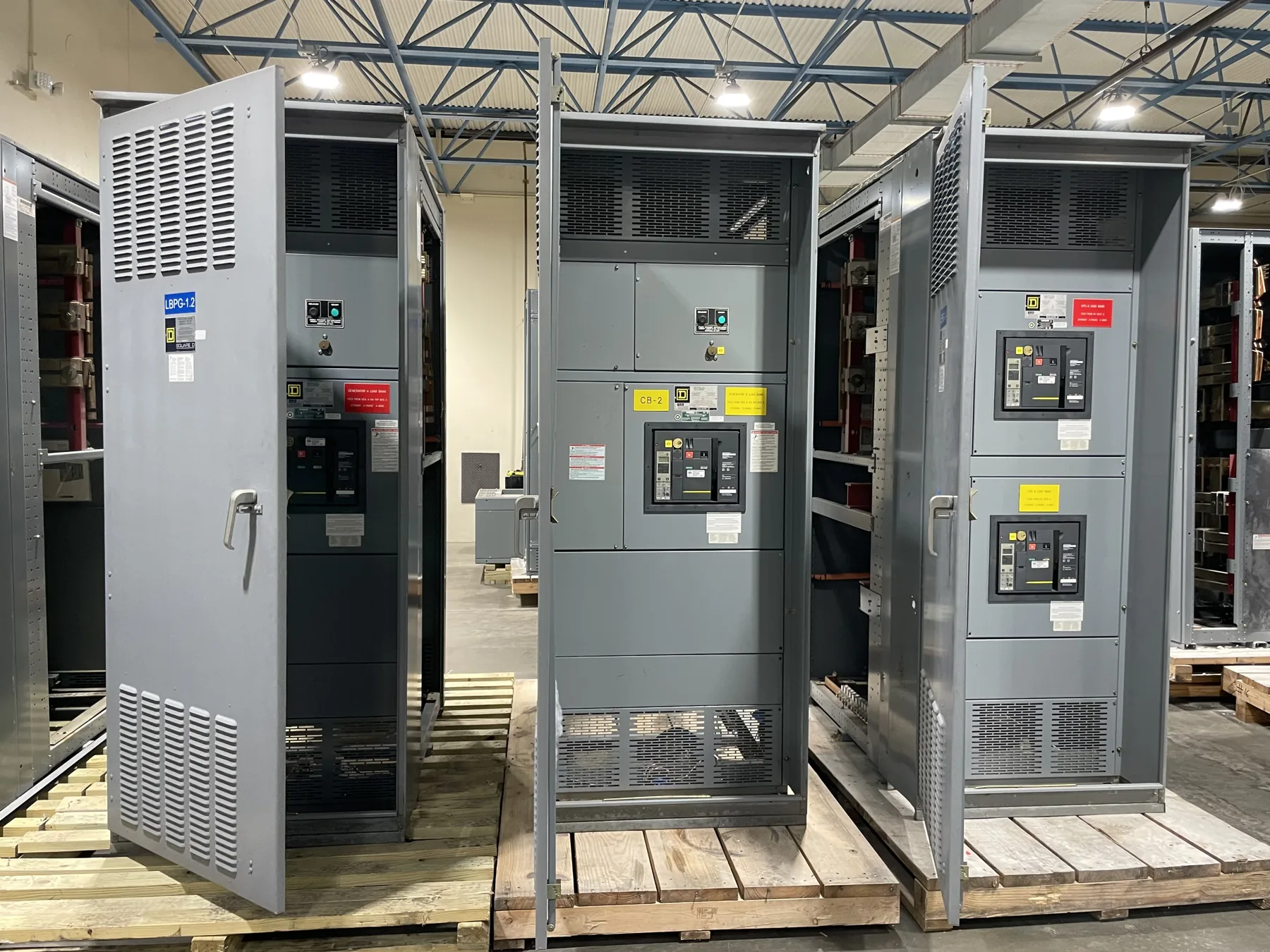
Describe the equipment type, manufacturer, amperage, and visible condition. If the nameplate includes other readable identifiers, such as a model marking, you may include them, but do not invent missing details. A wider view can clarify whether you are describing one assembly, a group of sections, or separate equipment that happens to be nearby.
A precise starting description helps a reviewer understand what is being offered. If you cannot tell whether an item is a panel, switchboard, breaker, or another kind of assembly, describe its appearance and share a photograph instead of applying an uncertain label. State what is known and what remains unclear; an initial inquiry need not resolve every technical question.
Describe Condition and History Clearly
Explain whether the equipment remains in service, has been disconnected, is stored, or is part of a planned removal. If it is surplus after a facility change or shutdown, describe that context in general terms. Mention visible damage, missing parts, or incomplete sections, but avoid asserting internal condition when you have not verified it.
Testing is not required to request a review. Do not energize equipment, remove covers, or ask unqualified staff to inspect electrical components. Existing records or inspection notes can be shared if available, and photographs can show exterior condition. These are optional information for review, not a seller obligation to test, certify, or repair the equipment.
This distinction matters because a useful quote review should separate documented facts from assumptions. If a prior owner’s record says something about condition, identify it as a record rather than a firsthand finding. If there are no records, say that. Honest limits let the buyer ask focused follow-up questions without creating expectations that the equipment has been tested.
Plan Around the Site, Not a Guess
A California location alone does not establish how equipment can be removed. Share the general city or area and explain where the item sits, if known: for example, whether it is indoors, in a restricted room, or near a loading area. Do not infer a facility’s capabilities from its address or assume a crane or truck can reach the equipment.
Relevant access information may include door widths if already documented, stairs, elevators, floor location, loading access, staging space, and site scheduling rules. You do not need to measure or alter the route for an inquiry. If facility management controls access or requires advance coordination, note that so removal planning can account for the process.
Electrical disconnection is not a seller task. Qualified personnel must handle electrical work under applicable safety procedures, and the buyer handles the disconnects and removal logistics. The buyer also takes care of rigging, loading, freight, hauling, and crane needs at its expense. Share known constraints; do not attempt to prepare or move the equipment yourself.
Gather Details for a Useful Review
A straightforward request can include the actual nameplate voltage, equipment type, manufacturer, amperage, quantity, visible condition, and general location. Add clear photographs of the nameplate and exterior if you can obtain them safely without opening equipment. If a label is obstructed or unreadable, point that out rather than making a best guess.
For several pieces, connect each photograph to a short description so the reviewer can distinguish one item from another. Note whether equipment is a complete assembly, a set of sections, or a collection of separate components when you know. Existing asset lists or drawings may help, but creating new records or arranging testing is unnecessary.
The business buys used and surplus switchgear in all voltage classes, including equipment from decommissioned data centers and shut-down power plants. It makes cash offers and pays upfront. A quote depends on reviewing the equipment and information provided; sharing details is a way to begin that review, not a guarantee of eligibility, a price, or a particular result.
Make a Clear Quote Request
State that you want to sell 240-volt electrical equipment in California and provide the details already gathered. Include the general site area, quantity, photographs, and any known access limitations. Ask the buyer to review the equipment and explain what further information would help. You do not need to arrange tests or supply a made-up rating to submit an inquiry.
After review, clarify what equipment is included and discuss practical site coordination before removal. If a decommissioning schedule is still uncertain, say so rather than giving a date that has not been approved. The buyer handles the logistics, including crane, rigging, disconnects, loading, freight, and hauling at its expense; the seller does not need to hire a removal crew.
Keep electrical safety responsibilities clear throughout the process. Do not work on energized equipment or disconnect it yourself. Qualified personnel handle electrical work under applicable safety procedures, and the buyer handles the work. The seller provides available information and coordinates access as needed, then does nothing but get paid once an offer is accepted and arrangements are made.