THE BUYER'S GUIDE / CALIFORNIA
Sell 2,400-Volt Electrical Equipment in California
Start With the Equipment Record
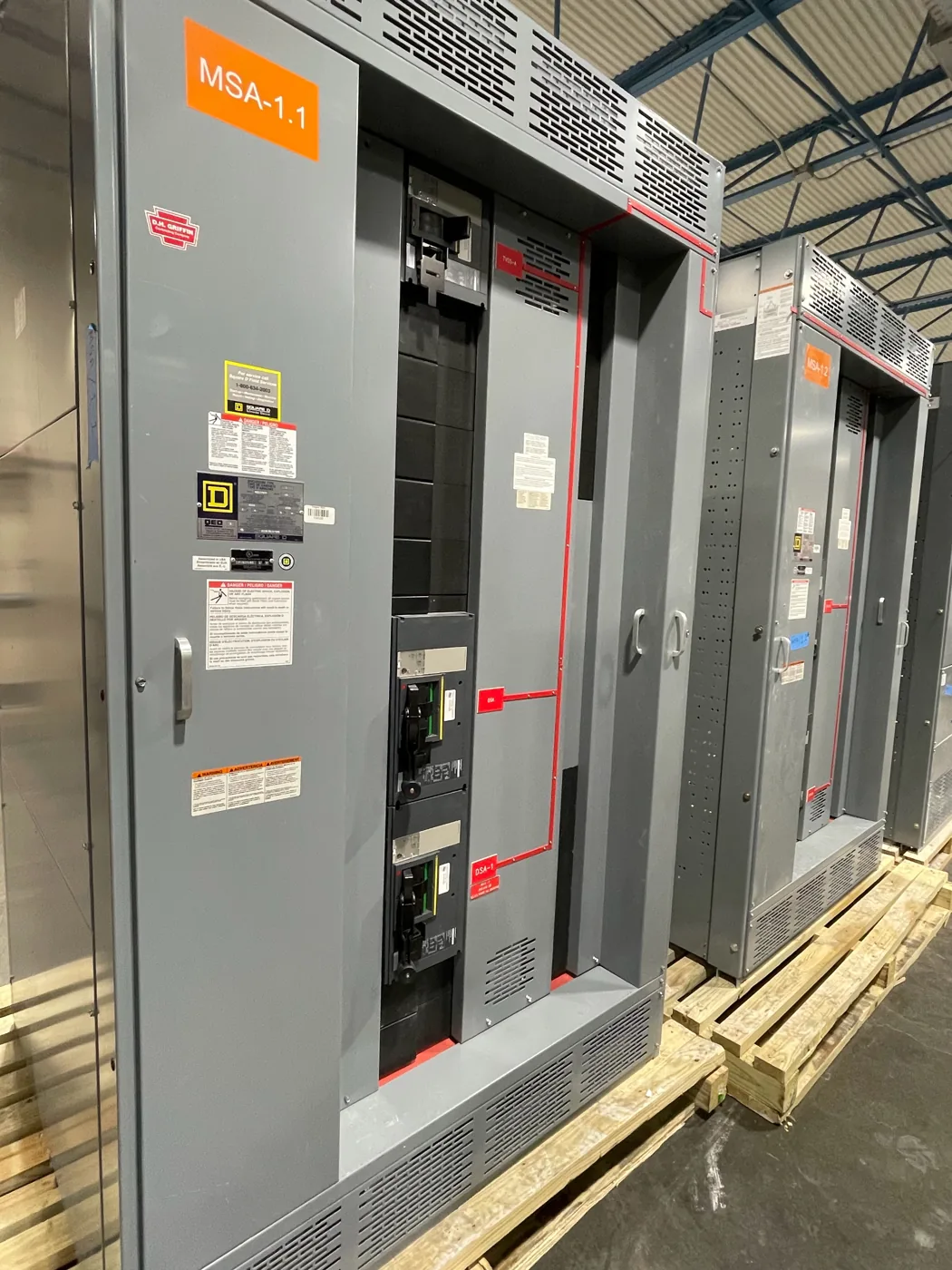
Before deciding how to handle surplus 2,400-volt electrical equipment in California, establish what is actually being considered. A room may contain switchgear, breakers, protective devices, or related components, and not every item necessarily belongs in the same sale. Identify the units and their boundaries from existing records or safe visual information, rather than assuming a whole lineup is one item.
For each unit, share the actual nameplate voltage, equipment type, manufacturer, amperage, and condition when known. Those details help a reviewer distinguish one configuration from another and assess whether descriptions match the equipment. If the nameplate is obscured, absent, or difficult to read, report that limitation instead of estimating a rating from the equipment's appearance.
The business buys used and surplus switchgear across voltage classes, including equipment from decommissioned data centers and shut-down power plants. It makes cash offers and pays upfront after review. A quote is not guaranteed by a voltage label alone; the equipment and the information provided must be reviewed before any offer can be considered.
Make Condition Understandable
Condition is more informative when it separates observation from conclusion. You might know that a 2,400-volt unit was removed during a facility shutdown, or that it has been in storage since removal. You may not know whether it operates. Say what is known, what is documented, and what remains uncertain instead of labeling it tested, working, or ready for service without support.
Useful details can include whether doors, covers, or visible components appear present, whether there is obvious exterior damage, and whether associated equipment is included. These are descriptive observations, not instructions to open an enclosure or inspect electrical parts. Do not touch equipment to obtain details, and never work on energized equipment. Electrical handling is for qualified personnel following applicable safety procedures.
No testing is required to request a review. If existing maintenance records, inspection notes, or photographs are available, you can share them as context; there is no need to create new test results for the buyer. A straightforward account of unknown history is more useful than a confident claim that cannot be verified, especially when equipment has been idle or stored.
Describe What the Rating Means
The 2,400-volt description should come from the equipment's own nameplate or reliable documentation. Do not infer it from a nearby transformer, a one-line drawing for another part of the system, or a previous owner's verbal description alone. If records and markings disagree, explain the mismatch and provide the source of each detail so the reviewer can assess the uncertainty.
Along with voltage, manufacturer and amperage provide a more complete starting point for review. Equipment type matters too: identify whether the item is a switchgear assembly, breaker, or another electrical component, using language supported by its markings or records. If several pieces share a lineup, describe which components are included and which will remain at the facility.
Photos may help show labels, exterior configuration, and the overall group, provided they can be taken without unsafe access or disturbing equipment. An image is supporting information, not a reason to approach an energized installation. When a label cannot safely be photographed, transcribe what existing documentation says and tell the reviewer that the nameplate was not captured.
Share the Removal Setting and Access
A quote review benefits from a practical account of how the equipment is situated. Say whether the 2,400-volt units remain installed or have already been removed, and describe known access conditions such as floor level, route width, doors, loading areas, and any restricted entry. These details help frame logistics; they do not commit the seller to choosing or performing a removal method.
The buyer handles rigging and logistics at its expense, including crane, rigging, disconnects, loading, freight, and hauling. You do not need to hire a hauler or prepare the equipment for transport before requesting a quote. Explain any site coordination rules or access limits that you already know, so the buyer can consider them when reviewing the opportunity.
If equipment is still connected, report that status rather than trying to disconnect it. Electrical disconnects and handling belong to qualified personnel following applicable safety procedures, and the buyer handles this work. Do not ask employees to energize, dismantle, or move the equipment to make a sale easier. The seller's useful contribution is accurate information about location and access.
Send a Specific Quote Request
A precise request to sell 2400 volt electrical equipment in California should identify the lot, not just state a voltage. Provide the actual nameplate rating, equipment type, manufacturer, amperage, and known condition for each unit or clearly defined group. Note whether the equipment is installed or stored and whether its history is documented, uncertain, or unavailable.
Attach existing records or safely obtained photographs if you have them, and summarize why the equipment is surplus. Describe the removal setting and access in plain terms, including known restrictions. If information is missing, say so. The purpose is to give the buyer enough context to review the equipment, not to satisfy a testing requirement or guarantee that a particular unit will receive an offer.
Ask for the equipment to be reviewed and a cash offer to be considered. The business pays upfront, does not require sellers to test equipment, and takes on rigging and logistics, including disconnects, loading, freight, and hauling, at its expense. A quote depends on review, so avoid treating an initial description as a confirmed price or exact removal timetable.