THE BUYER'S GUIDE / CALIFORNIA
Sell 480-Volt Electrical Equipment in California
Plan the Sale Alongside Decommissioning
When 480-volt equipment is included in a facility shutdown or upgrade, sale planning can begin while site arrangements are still being discussed. You do not need to remove or test the equipment before asking for a review. If you want to sell 480 volt electrical equipment in California, start by explaining whether the equipment is operating, disconnected, or awaiting a planned decommissioning.
Give the general location, the number of pieces, and the stage of the shutdown if known. A planned removal date is useful only when the facility has confirmed it; otherwise, describe the schedule as tentative. Note whether other equipment is part of the same surplus group, while keeping each item’s identification and condition distinct.
This early context can help the buyer understand timing and access questions without treating an estimate as a commitment. The buyer purchases used and surplus switchgear, including equipment from decommissioned data centers and shut-down power plants. A review is still needed to determine whether a particular item can be considered and what quote may be appropriate.
Identify the 480-Volt Equipment
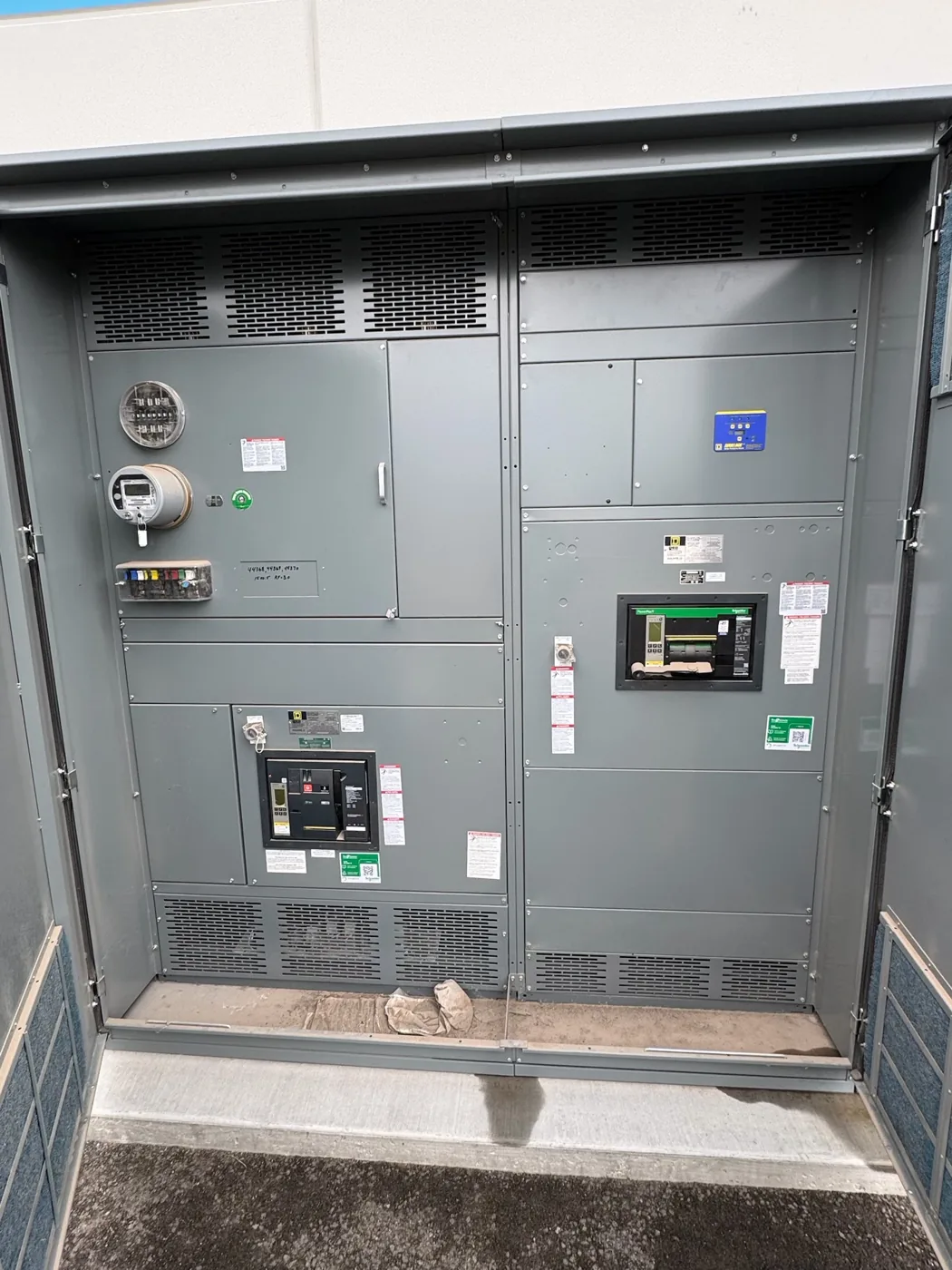
Use the actual voltage shown on the nameplate. Do not infer a 480-volt rating from the facility, a one-line drawing, or nearby equipment if the item’s own marking is available. Describe the equipment type, manufacturer, amperage, and visible condition. Clear nameplate and exterior photographs can help connect the rating to the specific assembly being offered.
If the nameplate is missing, damaged, or difficult to read, say that directly and provide any other reliable identifiers you have. Existing asset records may contain model information, but distinguish records from information read directly from the equipment. Never fill in a blank by guessing or present an uncertain rating as confirmed.
Equipment with similar appearances can differ in configuration, so useful identification is more than a voltage label. State whether you are describing a panel, switchboard, breaker, or another assembly when known, and indicate whether sections are together or separate. If terminology is uncertain, describe the item plainly and let the reviewer ask for clarification.
Report Condition Without Performing Tests
Describe observable condition in ordinary terms: installed or stored, complete or missing visible components, and any exterior damage you already know about. Explain whether the equipment has been decommissioned and whether existing records are available. Avoid describing internal operation or serviceability unless reliable documentation supports the statement.
A seller does not have to test the equipment to request a quote. Do not energize it, open it, or disconnect it for the inquiry. Existing photographs, inspection notes, or maintenance records may be shared when readily available, but they are optional information for review. An absence of records is not a reason to invent a condition claim.
Electrical work belongs to qualified personnel following applicable safety procedures. The buyer handles disconnects and related work as part of its logistics; sellers should not put themselves or others at risk to gather details. A clear account of what is observed, what is documented, and what is unknown gives a reviewer more reliable context than an unverified claim that the equipment works.
Describe Access and Removal Constraints
For a California site, share the general city or area and the equipment’s location within the property if known. Planning questions may depend on whether the assembly is on a floor above grade, behind controlled doors, or near a loading area. Do not assume a route is suitable for removal merely because equipment entered the building that way.
Mention known limits on access, staging, vehicle entry, work hours, or facility approval. If a shutdown has a coordinated sequence, explain any access window already established and identify whether it is tentative. The buyer can use those details to discuss logistics; you do not need to move the equipment, arrange a crane, or hire riggers.
The buyer handles rigging and logistics at its expense, including crane needs, rigging, disconnects, loading, freight, and hauling. The seller’s role is to share site constraints and coordinate access. Qualified personnel handle electrical work under applicable safety procedures. Keeping these responsibilities clear helps avoid unsafe preparation and makes practical removal planning part of the quote discussion.
Request a Review and Quote
For an actionable request, state that you want to sell 480-volt equipment in California and provide the nameplate voltage, equipment type, manufacturer, amperage, quantity, and condition. Add photographs, the general location, decommissioning status, and known access constraints. If details are unavailable, identify the gaps and ask what information would help the buyer review the equipment.
For a group of assets, match each description to its images and note whether the items are offered together or separately. Share existing inventories or drawings if they are readily available, but do not create technical records or commission testing just to submit a request. A quote depends on reviewing the equipment; no price or outcome should be assumed before that review.
The business makes cash offers and pays upfront, but a quote is not guaranteed until the equipment and available information have been reviewed. If an offer is accepted, discuss the practical arrangements and site access. The buyer handles crane, rigging, disconnects, loading, freight, and hauling at its expense. The seller does nothing but get paid, without having to test or arrange removal.