THE BUYER'S GUIDE / CALIFORNIA
Sell Switchboards From Warehouse Decommissioning in California
Identify the Boards Before Planning Removal
A warehouse shutdown may leave a seller with photographs of several electrical boards but no clear note about which lineup is being released. If you want to sell switchboards from warehouse decommissioning in California, first match each board to its label, records, and planned project scope. You can provide that information without testing equipment or making assumptions about a nameplate that cannot be read.
Start with an inventory of the switchboard sections included in the potential sale. Existing asset records, electrical drawings, photographs, and visible labels can help distinguish one board from another. Record manufacturer and model references where legible, the number of sections, and documented nameplate ratings. If a detail is missing, mark it unknown rather than estimating from nearby equipment.
Identification gives the buyer a basis to review the equipment and decide whether to make a cash offer. The quote depends on that review. Sellers are not required to test the switchboards, and no one should handle energized equipment. Electrical handling and disconnects are for qualified personnel following applicable safety procedures; the buyer handles the work.
Set Out the Included Scope
State whether the offer request concerns a complete switchboard, selected sections of a lineup, or equipment stored separately after earlier project work. Where a warehouse has several electrical rooms or buildings, use the site's own room or asset labels if they are available. This prevents a general project name from being mistaken for a precise equipment identification.
For each board, share readable nameplate ratings and model information from photographs or records. Do not invent values, substitute a rating from a similar unit, or treat a drawing as proof that the installed equipment matches it. If records conflict with visible labels, describe the discrepancy so the buyer can review both sources rather than having to rely on an unverified conclusion.
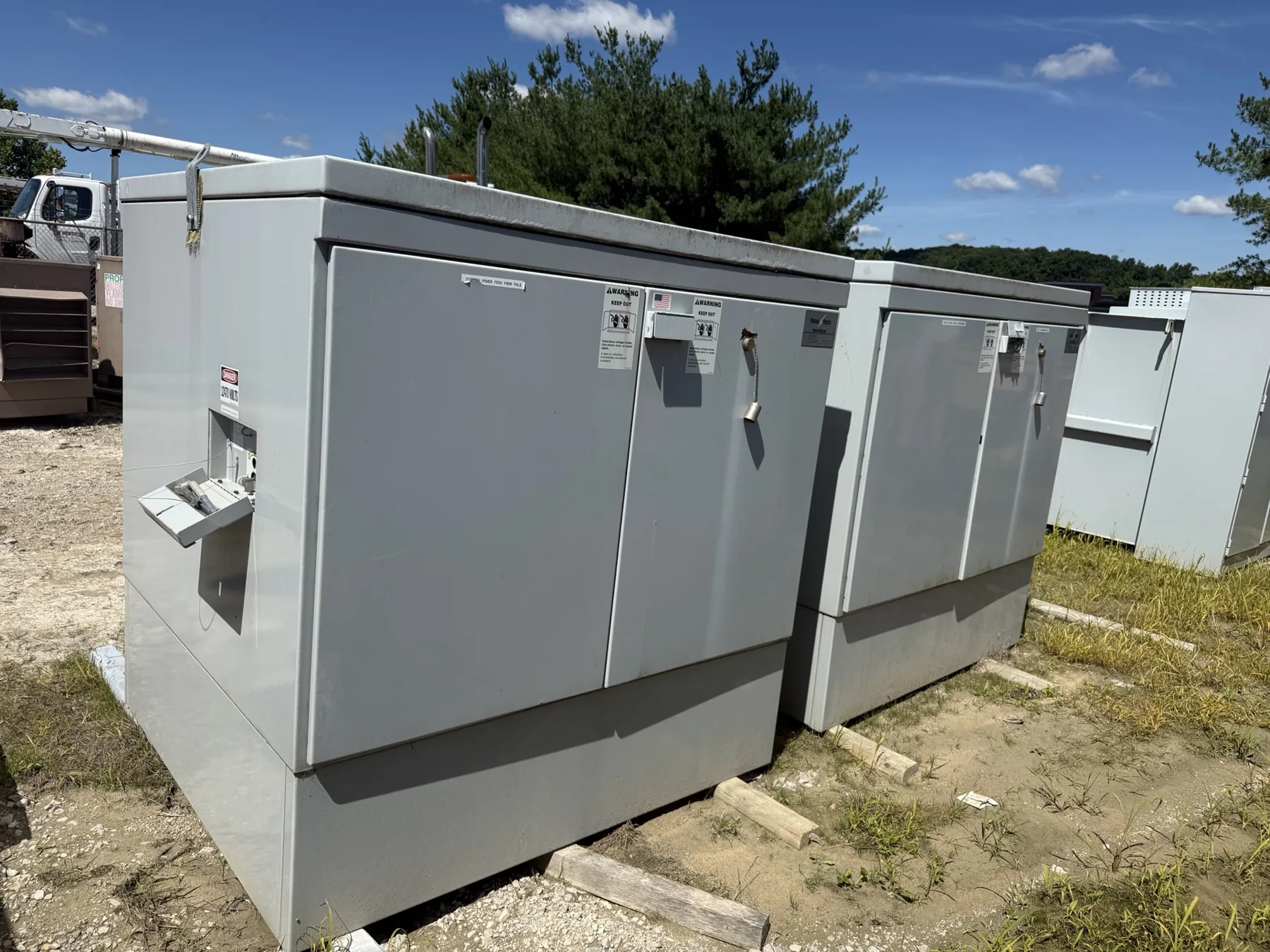
Include known accessories or missing components only when the information is available. A brief note about what is included helps define the proposed transfer, while an overall photograph can show the lineup's arrangement. The purpose is to communicate scope accurately, not to dismantle, open, or inspect equipment for a quote.
Explain Site Status and Ownership
A warehouse may remain active while decommissioning proceeds, or it may already be cleared for release; do not assume either status. Explain what the project team knows about the building's current access and whether the switchboards are installed, staged, or in storage. If the site status is changing, give the buyer the latest confirmed information and identify any uncertainty.
Confirm who owns the switchboards and who has authority to approve their sale and release. A property owner, tenant, asset manager, or project contractor may have different responsibilities, so name the actual decision path rather than assuming that the person coordinating removal can authorize a transfer. If approval is pending, say so before pickup planning begins.
Share condition notes from existing documentation or observations made during normal project activity. Mention known damage, missing sections, or storage history if supported, and distinguish these facts from unknowns. There is no need to arrange testing. Accurate boundaries around what is known help the buyer assess the request without turning a decommissioning record into an unsupported technical guarantee.
Align Release and Loading Plans
Provide an expected release date for each board or group of sections, along with any milestone that could affect availability. A warehouse's internal schedule may change as inventory moves or other work is completed, so distinguish confirmed dates from working estimates. This gives the buyer useful planning context without implying that a pickup has already been scheduled.
Describe loading access that the site team knows about, including entry procedures, escorts, loading areas, vehicle limits, or coordination with remaining operations. These are logistical facts for review. The seller does not need to arrange a crane, rigging crew, disconnects, freight, or hauling; the buyer handles those logistics and associated costs.
Disconnects and electrical handling must be performed by qualified personnel following applicable safety procedures. Do not ask warehouse staff to work on energized equipment or to prepare it electrically for a quote. The buyer handles the work. Sharing site rules and the expected loading window helps coordinate a safe release while keeping responsibilities clear.
Make the Quote Request Specific
A useful request identifies each switchboard and section, gives documented ratings and available nameplate images, states what is included, and explains ownership and authorization. Add the site's current status, anticipated release and loading schedule, and any access requirements already known. Send available records rather than delaying solely to obtain information that does not exist.
Ask the buyer to review the details and make a cash offer if appropriate. A quote depends on that equipment review, so do not expect a guaranteed price or assume the equipment will qualify. The business pays upfront when it purchases and does not require testing. The seller provides information and authorized access; the buyer handles rigging, disconnects, loading, freight, hauling, and other logistics at its expense.
Keep the equipment inventory and schedule current as decommissioning progresses. If a section is added, removed, or delayed, update the request so the buyer reviews the actual scope and release plan. This straightforward approach helps a warehouse project seek an offer without inventing ratings, taking on transportation, or requiring staff to perform electrical work.