THE BUYER'S GUIDE / CALIFORNIA
Sell Power Distribution Units From Data Center Decommissioning in California
Data center decommissioning: we handle the work
We buy electrical switchgear out of decommissioned data centers. Crane, rigging, disconnects, loading, freight and hauling are on us. The seller does nothing but get paid; qualified personnel handle the electrical work.
Identify the Distribution Equipment First
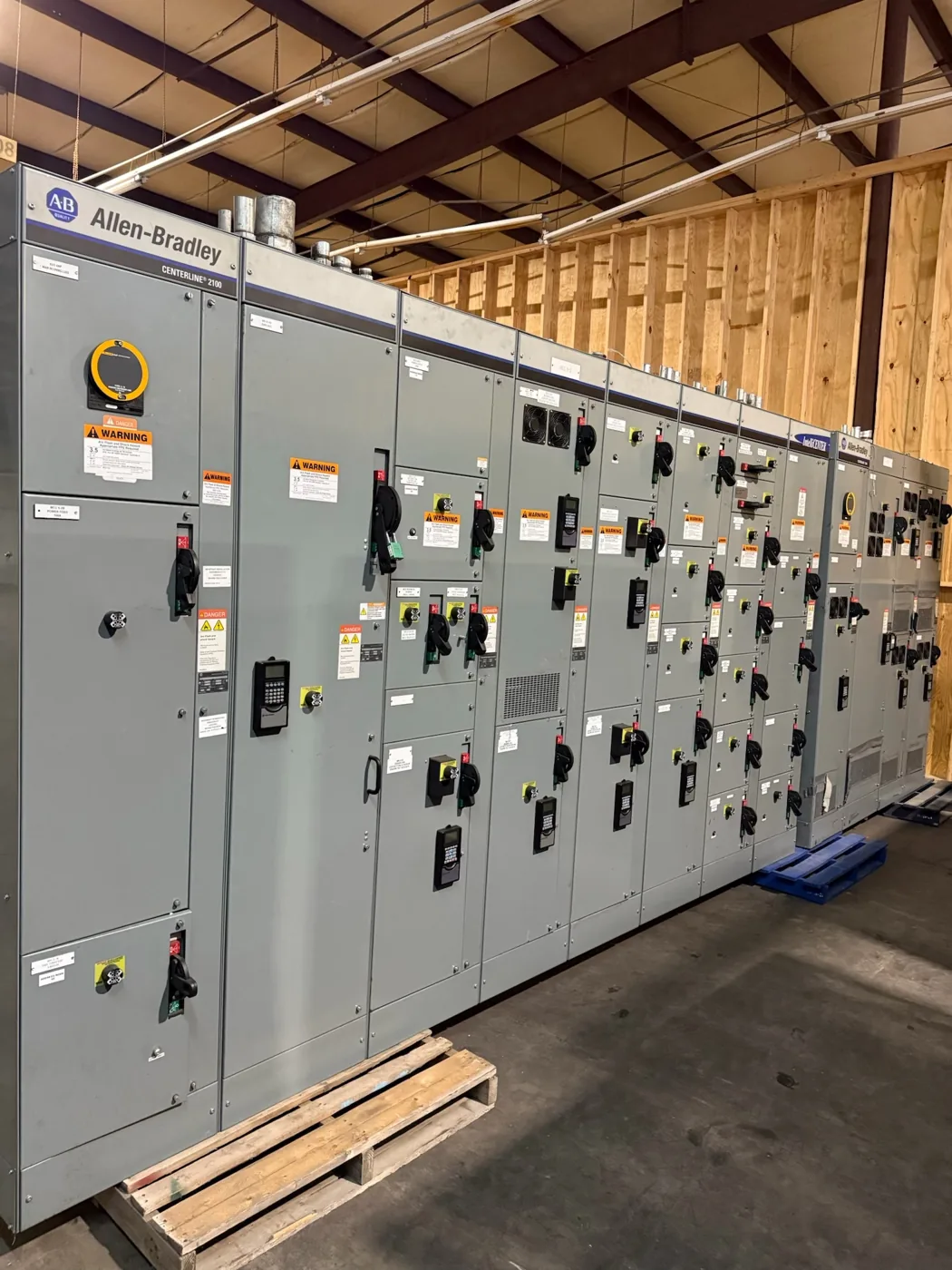
When a data center is being decommissioned, a rack of power distribution units can be difficult to describe from memory alone. A useful first step is to distinguish the PDUs being considered for sale from other equipment in the room, such as upstream switchgear, transformers, or branch-circuit components. No electrical testing is needed to begin a review.
If accessible without disturbing equipment, record manufacturer and model information from visible nameplates, along with the stated voltage, current or power rating, and any configuration details. Do not infer missing values or remove covers to find them. A clear photograph of each label can help communicate what is actually identified, while uncertain details can simply be marked unknown.
Also describe what is included with each unit. Depending on the installation, the proposed group might contain complete PDUs, associated distribution components, or only selected pieces. A rough count and a note about whether units appear to be alike help separate one equipment group from another without suggesting that every item has identical specifications.
Connect Equipment to the Project
A quote review depends on understanding what the seller owns and what is available for transfer. Confirm whether the PDUs belong to the facility owner, a tenant, or another party, and identify who has authority to approve their sale. If ownership records are held by a project or asset team, state that those records can be checked rather than assuming they are already in hand.
Decommissioning schedules often move in stages, so share the dates when the units may become available and whether those dates are firm or preliminary. Explain if equipment must remain in place until a particular shutdown milestone, or if access will be coordinated through a contractor. This context helps distinguish an item that can be reviewed now from one that cannot yet be released.
For records, mention what exists without arranging new testing. Existing inventories, purchase or maintenance documents, drawings, and photographs may clarify the configuration or history. A seller can share available material and flag gaps; the buyer does not require the seller to test the equipment. Electrical condition should not be represented as verified unless reliable documentation supports that statement.
Describe Condition Without Testing
A practical description focuses on visible and known facts. Note whether the PDU is installed, removed, or stored, and mention readily apparent damage or missing parts only if someone can observe them safely. If the condition has not been assessed, say so. Avoid opening enclosures, operating equipment, or asking staff to approach energized components to improve a description.
The distinction between known information and assumptions protects both sides from confusion. A nameplate rating is a documented label value, not a guarantee of present performance; likewise, an old service record does not establish current operating condition. Sharing these limits allows the buyer to review the equipment on the information available and decide what additional evaluation is appropriate.
Do not make condition reporting a reason to delay a request. The business buys used and surplus switchgear and related electrical equipment, including equipment from decommissioned data centers, and sellers are not required to test units. Mention whether the equipment is offered as an identified group or as separate items so the scope can be understood before a quote is considered.
Plan Access and Removal Responsibly
California is a broad service area, so the location of the equipment within the state and the practical route to it matter more than a general description of the project. Share the site location at an appropriate level for an initial review, then explain loading access, floor or yard conditions, available staging space, and any restrictions on vehicle or crane access that are already known.
Electrical disconnects and handling must be performed by qualified personnel following applicable safety procedures. Sellers should not work on energized equipment or attempt removal to prepare for a quote. The buyer handles rigging and logistics, including crane, rigging, disconnects, loading, freight, and hauling at its expense; explain access constraints so the work can be coordinated appropriately.
If the PDU group is inside an active or partially operating facility, identify access windows, escort arrangements, or separation from other project work if known. Do not speculate about site rules. A concise account of who coordinates entry and when equipment may be reached helps the buyer review the removal plan without asking the seller to carry out the electrical or lifting work.
Request a Quote With Clear Scope
To request a quote for power distribution units from data center decommissioning in California, send a concise description of the equipment group, visible manufacturer and model information, ratings that can be read, quantities, included components, and ownership status. Add the available records or photographs and identify any details that remain uncertain. This makes the scope easier to review without presenting guesses as facts.
Include the expected release dates, the decommissioning milestone that controls availability, and practical access information. If several groups will be released at different times, describe each group separately. Name the person responsible for project coordination, or explain how that contact can be identified, so questions about ownership, release, and access reach the right place.
A quote depends on reviewing the equipment and the information provided; no price or eligibility should be assumed in advance. The business makes cash offers and pays upfront when a transaction is agreed. Sellers do not need to test the units, and the buyer handles the removal logistics at its expense. The seller's role is to share accurate information, coordinate authorized access, and get paid.