THE BUYER'S GUIDE / CALIFORNIA
Sell Used Schneider Switchgear in Sacramento, CA
Identify the Schneider Markings
A useful description is not the same as an assumption about value. If you want to sell used Schneider switchgear in Sacramento, CA, begin with the exact model and catalog markings available on existing records or safely visible nameplates. The equipment's label identifies what it is represented as; it does not establish a price or guarantee that an offer will follow.
Share readable nameplate ratings when they are already known, and identify any unreadable or missing information as unknown. Do not infer a voltage, rating, or model from appearance. If you have existing photos of the complete lineup, they may help show its configuration, but photos are optional. Do not open equipment or approach energized gear to obtain a picture.
Describe whether the offered equipment is one complete lineup or a portion of a larger installation, and say how many sections are included if known. Clarify whether breakers are part of the offer when the available records show that. These distinctions let the buyer understand the specific equipment under review rather than relying on a brand name alone.
Explain Status and Visible Condition
Give a short account of whether the switchgear is in service, out of service, or stored, using information you can confirm. If it is being removed as part of a facility change or decommissioning, that context may help describe why it is available. Do not present a planned removal as completed, or claim details about a site that you do not know.
Mention visible exterior condition, such as a damaged cabinet, a missing section, or a label that cannot be read. You are not expected to diagnose internal condition or establish operational status through testing. The buyer does not require sellers to test equipment, and internal inspection is not part of the seller's information-gathering task.
If available records include an equipment schedule or prior inventory, share the relevant entries and note any gaps. A record can help distinguish a model marking from a general description, but inconsistent paperwork should be identified as inconsistent. The buyer reviews the information and equipment before deciding whether to make an offer; the brand alone does not settle that review.
Describe Sacramento Pickup Access
Pickup planning starts with where the equipment is and how it can be reached. Describe the building area, level, doorways, corridor turns, staging space, and vehicle access as far as you know. If the route has restrictions or an obstacle, mention it rather than assuming a standard loading path will work.
Tell the buyer whether the lineup remains installed or has been moved, and identify any access rules known to affect removal. Do not arrange the electrical disconnect, crane, rigging, loading, freight, or hauling yourself. If a purchase is agreed, the buyer handles and pays for those tasks, including the disconnect and all removal logistics.
Electrical work belongs to qualified personnel following applicable safety procedures. Never approach or open energized equipment to check markings, condition, or connections. Information about the route is useful for planning, but it does not ask the seller to perform work or make the site ready for removal. The buyer handles the required work after an agreed purchase.
Share Information Safely
A quote request can start with a written description and whatever records are already available. Useful material may include model and catalog markings, readable ratings, an equipment schedule, and a description of the complete lineup. If information is not available, say that plainly. A missing model or rating should remain unknown rather than being filled in by guesswork.
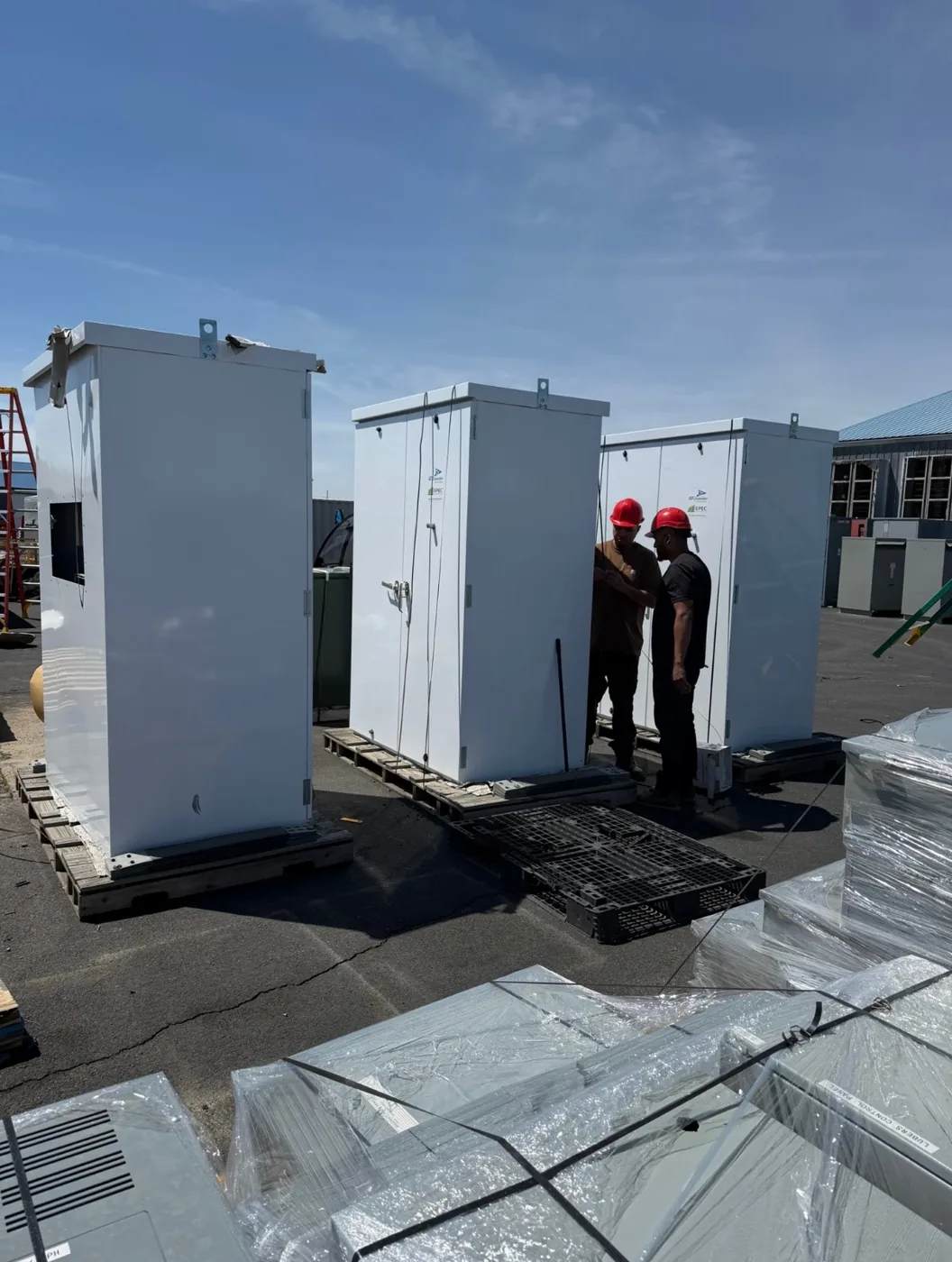
Existing photos of the complete lineup or safely visible exterior and nameplate details may be shared if you already have them. Do not open cabinets, remove panels, expose electrical connections, or take a photo if doing so would be unsafe. No photo is required. Seller testing is not required either, and inspection information should come from records or safely observable details.
Keep the description specific about the offered scope: what sections are included, whether breakers are included according to existing records, and what is excluded or uncertain. Clear boundaries prevent a buyer from assuming that adjacent equipment or separately stored items are part of the offer. This is particularly helpful when a lineup is only part of a larger installation.
Make a Clear Quote Request
For a focused inquiry, state that you are the owner offering Schneider-labeled switchgear in Sacramento. Include the exact model and catalog markings, readable nameplate ratings, and a description or existing photo of the complete lineup if available. Then explain its service status, visible condition, what is included, and the known pickup route.
The buyer reviews the equipment and information before deciding whether to make an offer. A quote depends on that review, so neither an equipment label nor a preliminary inquiry guarantees eligibility, valuation, or a particular price. Making an offer does not itself trigger payment. If the purchase is agreed, payment is upfront.
The seller does not need to test the switchgear or arrange its removal. The buyer handles and pays for electrical disconnects, crane, rigging, loading, freight, and hauling. Qualified personnel perform electrical work under applicable safety procedures. Providing accurate known details, identifying unknowns, and describing access gives the buyer a practical basis to review the Sacramento equipment and respond if appropriate.