THE BUYER'S GUIDE / CALIFORNIA
Sell Used Schneider Switchgear in Oakland, CA
Separate Description From Valuation
A Schneider label and a general statement that switchgear is surplus do not establish what the equipment is worth. For an Oakland owner weighing whether to sell used Schneider switchgear in Oakland, CA, a practical starting point is to describe exactly what is on site and what is known, rather than infer a price from a brand name or appearance.
This can be especially relevant during a data center decommissioning, a plant closure, or another facility change. The business buys used and surplus switchgear, including equipment from decommissioned data centers and shut-down power plants. The reason for retirement provides useful context, but the particular assembly still needs to be reviewed before an offer can be considered.
Start by deciding what equipment may be released and what records are available. No seller testing is required. Do not open switchgear or approach anything that may be energized to find information. Electrical work and disconnects belong to qualified personnel following applicable safety procedures, and the buyer handles the work.
Explain What Is Included
Clarify whether the Schneider-labeled equipment is a complete assembly or separate sections being offered individually. A lineup described as complete may be different from a group of sections with gaps or components removed, so a careful description matters. If records identify included breakers, list them using the information already on hand instead of estimating or assuming what remains installed.
When the information is available, share exact model and catalog markings and readable nameplate ratings. If any model or rating cannot be confirmed, mark it as unknown. Existing inventories, project notes, or equipment schedules may help explain the assembly without requiring the seller to inspect inside electrical cabinets or verify components physically.
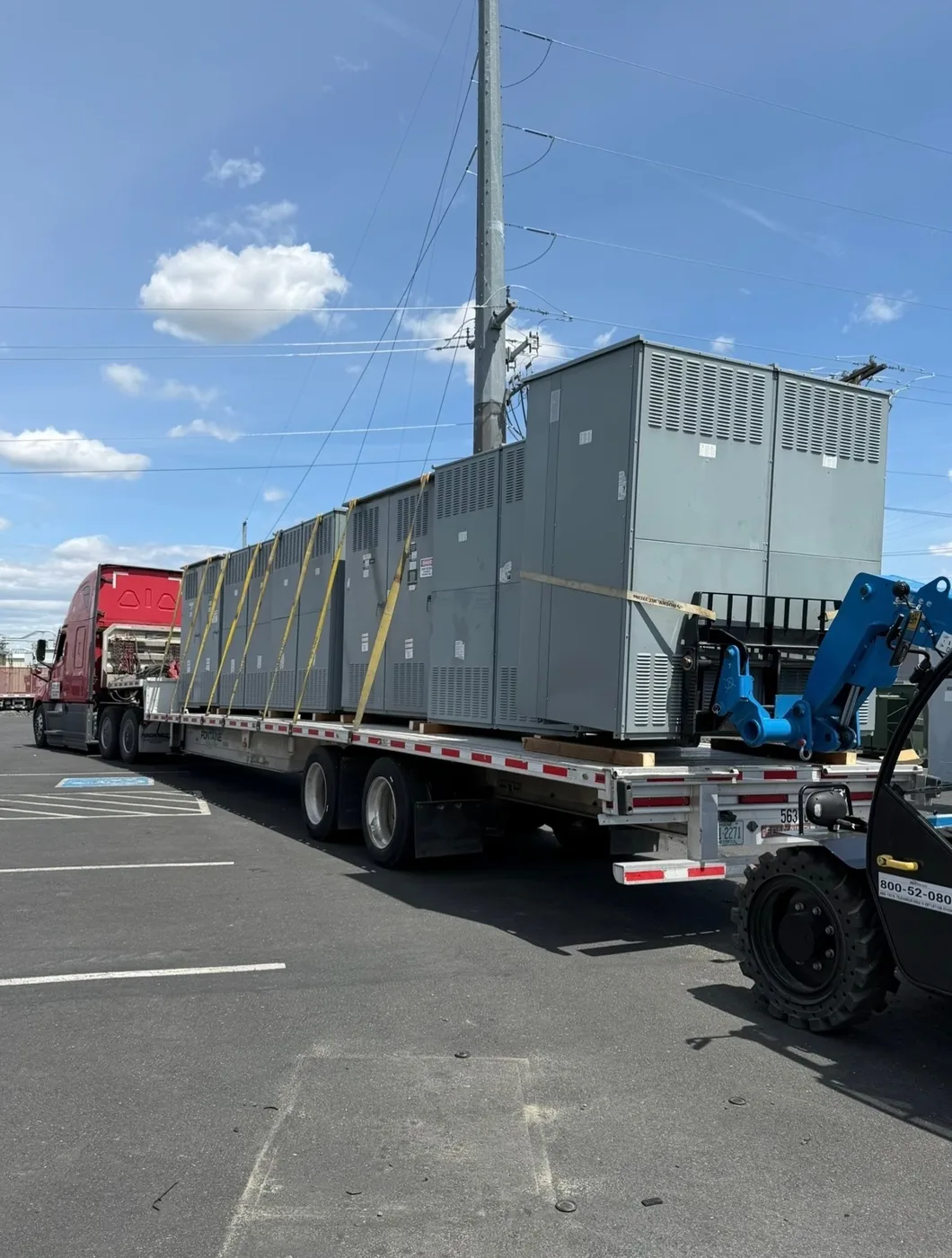
Photos of the lineup can be useful if they already exist or can be taken from a safe exterior viewpoint. They are optional, and no photograph is needed if obtaining it would be unsafe. A picture cannot replace a reliable equipment description, but a view of the full assembly may help show its overall extent and how the offered sections relate to one another.
Use Decommissioning Records Carefully
During removal planning, equipment records can be separated from assumptions. Share whatever inventory or decommissioning documents identify the Schneider sections, breaker inclusions, and known ratings. If records conflict or leave a gap, point that out. The purpose is to help the buyer understand what is being offered, not to certify that every component is present or operational.
Do not test breakers, operate switches, remove covers, or investigate connections to resolve uncertainty. The buyer does not require sellers to test equipment. If a qualified electrical professional is already responsible for site work, that person must follow applicable safety procedures; the seller should not undertake electrical handling just to support a quote request.
Condition information can be stated in ordinary, factual terms drawn from existing knowledge. For example, explain that equipment is being retired in a scheduled facility change or that its service history is not available. Unknown condition should remain unknown. A quote depends on review of the specific equipment and the information provided; no particular result follows from a Schneider nameplate alone.
Share Access and Removal Constraints
For Oakland pickup planning, describe how a crew could reach the switchgear from the site’s loading area, to the extent that the route is known. Note a location within the building, access restrictions, stairs, narrow openings, or loading constraints that could affect removal. This information helps the buyer consider handling logistics without asking the seller to arrange rigging or transportation.
If a purchase is agreed, the buyer handles and pays for crane, rigging, electrical disconnects, loading, freight, and hauling. The seller does not have to hire contractors, disconnect the equipment, or prepare a shipment. Electrical disconnects are performed by qualified personnel following applicable safety procedures, with the buyer handling that work.
A clear account of access is more useful than an unsupported claim that removal will be easy. If the route has not been confirmed, say so and share what is known. Do not move the equipment or enter restricted areas to gather additional details. The buyer can review the available information alongside the assembly description when considering whether to make an offer.
Send a Practical Quote Request
A focused request can state that you own Schneider-labeled switchgear in Oakland and are considering a sale. Describe whether it is a complete assembly or separate sections, list included breakers from existing records, and provide any exact model, catalog, or readable rating details available. Include the approximate section count and the known pickup route if you can do so safely.
Add relevant decommissioning context, such as whether the equipment is being removed during a facility change, and identify details that remain uncertain. Existing exterior photos are optional; do not open electrical equipment or take a picture if reaching it would be unsafe. Testing is not required, and no testing should be undertaken merely to support the request.
The buyer needs to review the equipment before making an offer, so a quote is not guaranteed by submitting details. If the purchase is agreed, payment is upfront. The buyer also handles and pays for disconnects by qualified personnel, crane, rigging, loading, freight, and hauling. The seller can focus on sharing accurate information and coordinating access.