THE BUYER'S GUIDE / CALIFORNIA
Sell Used GE Switchgear in Oakland, CA
Plan the Sale Around the Facility Change
When a facility in Oakland is changing its electrical setup, removing existing GE-labeled switchgear can become one part of a larger decommissioning plan. Owners considering whether to sell used GE switchgear in Oakland, CA can request a review of the equipment they already have, without treating a brand label as a promise of value or eligibility.
A useful first step is to identify which lineup or sections may be available and whether they can be released from the site. The business buys used and surplus switchgear, including equipment from decommissioned data centers and shut-down power plants. A facility’s reason for retiring gear does not by itself establish its condition or what an offer might be.
If the equipment is still connected or its status is uncertain, do not approach it or try to inspect it. Electrical disconnects and other electrical work are handled by qualified personnel following applicable safety procedures, and the buyer handles that work. Sellers are not required to test the equipment; information already available is enough to begin a conversation.
Identify the GE-Labeled Equipment Clearly
For review, share the exact model and catalog markings visible in existing records or from a nameplate that can be viewed safely. Include readable ratings when available, such as the information printed on the equipment label. If a marking is worn, obscured, or unfamiliar, describe it as unknown rather than guessing. Correct identification helps distinguish one lineup from another.
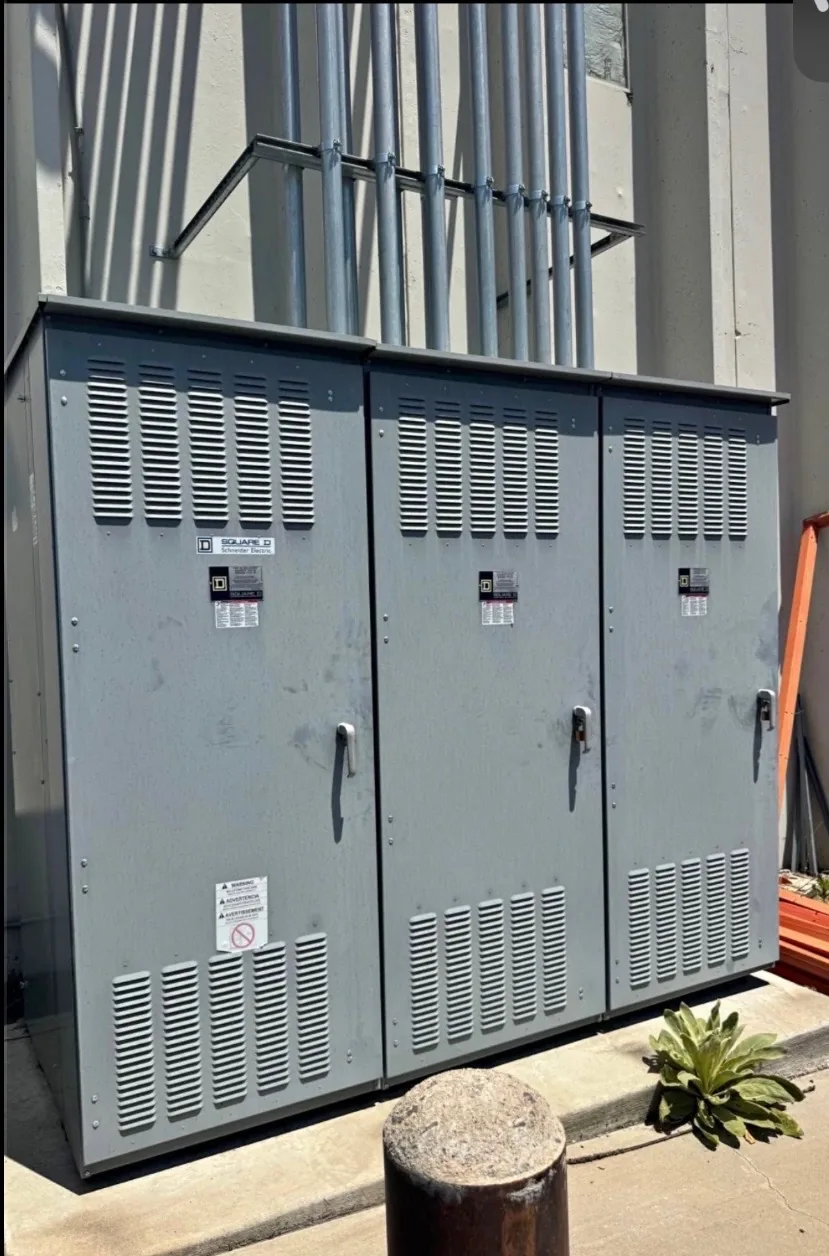
Photos of the complete lineup can help show the overall arrangement and how many sections appear to be present. Existing photographs are optional, as are safely obtained exterior or nameplate views. Do not open a cabinet, remove a cover, reach toward connections, or take a photograph if doing so would create a safety concern; no photo is needed when it is unsafe to obtain.
The GE label is useful context, but it does not answer every question about the equipment. Model and catalog markings, visible ratings, approximate section count, and any existing inventory description help the buyer understand what is being offered. Sharing only verified information keeps unknown details clear and avoids mistaking a general brand identification for a complete equipment description.
Describe Condition Without Testing
A seller can explain what is known from records and ordinary facility observations without performing electrical checks. For example, note whether the equipment is being removed as part of a planned change, whether any sections are missing according to an inventory, or whether the available records describe prior service. These details are background for review, not a substitute for testing.
Do not energize, operate, open, or dismantle switchgear to answer questions about its condition. The business does not require sellers to test equipment. If inspection or electrical handling is needed, qualified personnel must perform that work under applicable safety procedures. Never approach equipment that may be energized to read a label or obtain a picture.
It is helpful to separate confirmed facts from unanswered questions. If the model, ratings, or completeness are uncertain, say so and share the records that are available. A quote depends on review of the particular equipment; a label or a short description alone does not guarantee an offer, a purchase, or a specific valuation.
Coordinate the Pickup Route and Handling
Pickup planning begins with practical information about access, not a seller arranging machinery or electrical work. Share the available route to the switchgear, any known doorway or loading limitations, the level or area where it is located, and whether the lineup is accessible from a loading area. These details help the buyer consider how removal could be coordinated.
If a purchase is agreed, the buyer handles and pays for the crane, rigging, electrical disconnects, loading, freight, and hauling. The seller does not need to hire a crane, organize riggers, disconnect equipment, or arrange transportation. Electrical disconnects remain work for qualified personnel following applicable safety procedures; the buyer takes responsibility for coordinating that work.
Access information should reflect what the owner already knows. Mention stairs, narrow passages, restricted loading areas, or other potential constraints if they are known, and note uncertainties plainly. Do not move equipment or alter the site to prepare it for review. The buyer can consider the route and handling needs as part of evaluating the equipment and any proposed pickup.
Request a Review and Quote
To request a quote for GE-labeled switchgear in Oakland, describe the equipment and where it is located, then provide the exact model and catalog markings, readable nameplate ratings, and photos of the complete lineup if they are already available and safe to share. Add the number of sections, known included components, and the available pickup route when those details are known.
Explain whether the equipment is part of a facility decommissioning or another change, and identify which information comes from records rather than direct knowledge. You may also note that testing has not been performed; testing is not required for a seller to start the review. Do not take unsafe photographs or open the equipment to fill in missing details.
The buyer reviews the specific equipment before making an offer, so neither an offer nor a purchase should be assumed in advance. If a purchase is agreed, payment is upfront, and the buyer handles the removal and transportation work at its expense. The seller’s role is to share available information, coordinate access, and get paid if an agreement is reached.