THE BUYER'S GUIDE / CALIFORNIA
Sell Used Motor Control Centers in Sunnyvale, CA
Describe the Equipment Before Estimating Its Value
When you plan to sell used motor control centers in Sunnyvale, CA, a clear description is more useful than an assumption about what the lineup is worth. Motor control centers can differ substantially in configuration, condition, and included components. A quote depends on reviewing the actual equipment and the information available about it.
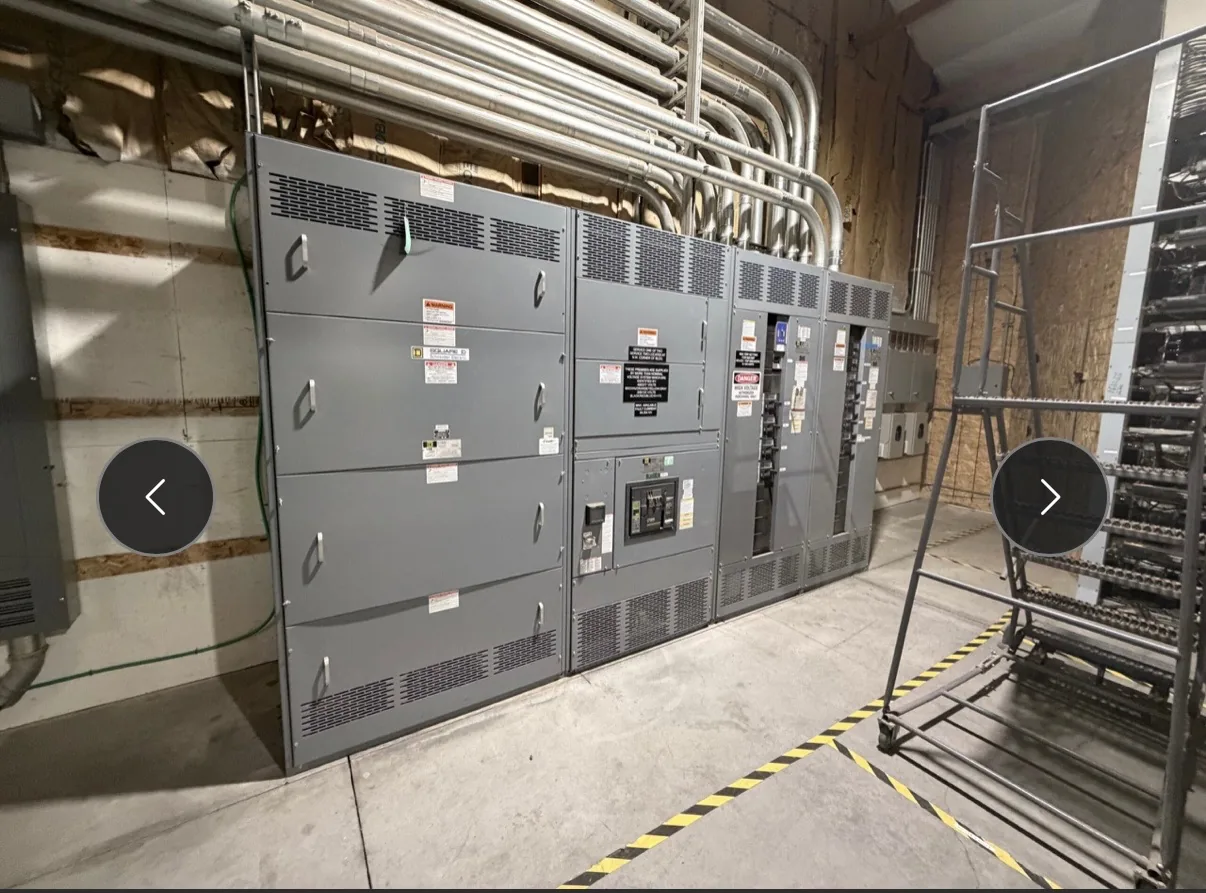
Start with the number of lineups and sections, if known, and describe whether the equipment is a complete assembly or a partial lineup. Share the approximate number of buckets and whether individual buckets are included in the proposed sale. These details help distinguish a complete system from a group of removed components.
If records identify the manufacturer, model, or general vintage, you can share those details too. Do not guess when a label is unclear or unavailable. Existing photographs of the exterior or readable nameplates may help, but they are optional. Do not open equipment or take pictures from an unsafe position to gather information.
Explain the Decommissioning and Release Plan
Motor control centers may become available when a facility changes its operations, removes equipment, or completes a shutdown. If your Sunnyvale-area equipment is part of a decommissioning, describe the planned release date or the period when access may be possible. A buyer can then consider the equipment in the context of the seller’s schedule.
Clarify whether the lineup is still installed, has already been disconnected, or is staged for removal, based on information you can safely confirm. Sellers do not need to test equipment or perform electrical work to request a review. If electrical disconnects are needed, they are handled by qualified personnel following applicable safety procedures, and the buyer handles that work.
It can also help to explain whether the equipment is being offered with related components, such as separate buckets or associated control sections. Do not assume every part belongs with the lineup; identify what is included as accurately as practical. A straightforward account of what will be released prevents confusion during review and planning.
Share Ratings and Bucket Details From Available Records
Useful identification details often include the lineup and bucket counts, voltage and current ratings, and other nameplate information that can be read from an existing record or safely visible exterior label. These details help establish what kind of motor control center is being reviewed. Share only what you can verify, and say when a rating is unknown.
For starter information, indicate the starter types or sizes if schedules or documentation identify them. If the lineup contains variable-frequency drives or other drive equipment, provide the relevant descriptions from available records. A list of included buckets can clarify whether the offer covers a complete lineup, selected buckets, or both, without asking anyone to inspect internal components.
Condition notes can be practical and factual: mention missing sections, known removals, visible exterior damage, or components that are not included. There is no need to make a technical diagnosis or energize equipment. Existing documentation and safely obtained exterior or nameplate views are optional; no photograph is necessary if it cannot be obtained safely.
Plan Access Without Taking on the Removal Work
For a quote and removal plan, describe how personnel and equipment can reach the motor control center. Relevant points may include the building entrance, floor or area where the lineup sits, available loading access, and any known restrictions on moving large equipment. You can share this information without arranging rigging yourself.
Mention scheduling requirements, release windows, site coordination rules, and any limits on loading or freight access that you already know. If a crane, rigging, disconnect, loading, or hauling constraint has been communicated by the facility, include it. These facts help the buyer assess the practical work involved rather than treating the equipment as a simple pickup.
If a purchase is agreed, the buyer handles and pays for crane, rigging, electrical disconnects, loading, freight, and hauling. Sellers do not need to arrange those services. Electrical work belongs to qualified personnel using applicable safety procedures. Never approach or open energized equipment to improve a description or prepare it for removal.
Request a Review and Quote With Useful Details
To request a review, describe the motor control center, its location in Sunnyvale, what sections and buckets are included, and the timing for release. Add verified nameplate ratings, starter or drive details from records, and relevant access or loading restrictions. If some information is unavailable, state that plainly rather than delaying the request to investigate.
Optional existing photographs of safely visible exterior surfaces or nameplates can supplement your description, but they are not required. Do not open cabinets, approach energized equipment, or take a picture from a hazardous position. A seller is not required to test the equipment. The review can begin with information already available to you.
The buyer buys used and surplus switchgear, including equipment from decommissioned data centers and shut-down power plants, makes cash offers, and pays upfront if a purchase is agreed. An offer alone does not trigger payment, and any quote depends on reviewing the equipment. The seller’s role is to share available information and, after agreement, get paid; the buyer handles the removal logistics.