THE BUYER'S GUIDE / CALIFORNIA
Sell Used Motor Control Centers in Anaheim, CA
Use the Nameplate and Lineup as a Starting Point
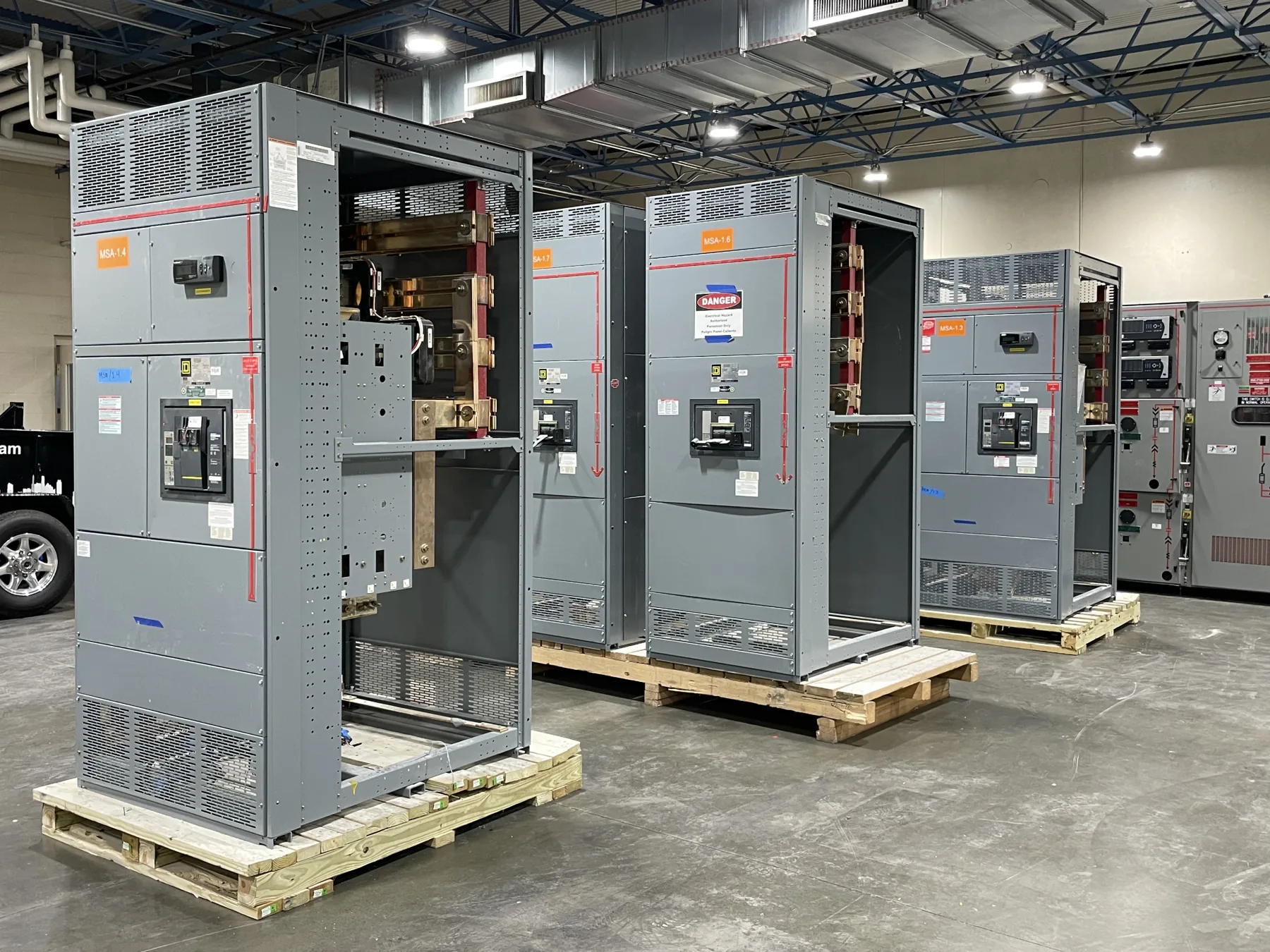
When preparing to sell used motor control centers in Anaheim, CA, start with a practical question: what can the existing nameplates and records tell you about the lineup? A review is more useful when it identifies the sections, their visible ratings, and the arrangement of buckets without asking the seller to run or test equipment.
Describe the lineup by its number of sections and, if known, the number of buckets in each section. State whether buckets remain installed, have been removed, or are stored separately. If counts come from an inventory or drawing rather than a recent physical view, say so. Do not open energized equipment or remove covers to confirm a count.
Motor control centers are often part of a larger electrical system, and their makeup can differ across sections. Existing labels, drawings, or inventory records may show starter or drive information. Share what those sources say, including uncertainties, rather than assuming that all buckets are alike or that a drive is included.
Explain the Decommissioning Context
Motor control centers may become available during replacement work, a facility closure, or a decommissioning. Briefly explain why the lineup is being offered and whether it remains installed, has been electrically disconnected by qualified personnel, or is already in storage, if that status is known. The buyer does not require the seller to test the equipment as part of a quote request.
A release schedule can shape the practical review. If the lineup must be removed by a particular date, or access is limited to certain windows, share that information. If the schedule is tentative, make that clear. A useful discussion of timing describes the known constraints without suggesting that the seller must arrange removal or disconnects.
The buyer purchases used and surplus switchgear, including equipment from decommissioned data centers and shut-down power plants. That buying scope does not establish anything about a particular site or guarantee that a specific lineup will be purchased. Any offer depends on reviewing the equipment and the information available about its configuration and condition.
Clarify Buckets, Starters, and Drives
For each section, share the bucket count if available and identify whether individual buckets are included in the proposed sale. If buckets have been set aside, note their quantity and location as known; this can prevent a review from treating stored parts as part of the installed lineup. Do not infer that missing or separately stored buckets belong with the equipment.
Starter or drive details can help distinguish one lineup from another, but they are not a reason to perform new electrical work. Use existing labels, drawings, or records to report descriptions and nameplate ratings that are readable. If the equipment’s condition or a component’s identity cannot be established from safe, available information, describe it as unknown.
Ownership matters too. Confirm that you own the equipment or can arrange its sale, and specify what is included alongside the motor control center, such as separately stored buckets or documented accessories. A precise account helps the buyer review the actual scope. No price or purchase eligibility should be assumed before that review.
Describe Access and Stored Parts
If the lineup remains in place, share known access details that could affect removal: available door width, corridor turns, stairs, floor changes, and any restrictions on working hours or loading. Mention an access window if the site has one. You are providing information for planning, not agreeing to conduct the work or moving equipment yourself.
If the lineup is already removed, describe its storage location and whether sections and buckets are grouped or separated, if known. State any known lifting constraints and whether a clear route to the loading area exists. It is acceptable to say a detail is unknown; do not enter a restricted or unsafe area to investigate it.
The buyer handles and pays for crane, rigging, electrical disconnects, loading, freight, and hauling. Qualified personnel perform electrical handling and disconnects in accordance with applicable safety procedures. Sellers should not approach energized equipment, open enclosures, or attempt testing. No seller-arranged rigging or disconnect is required.
Make a Useful Quote Request
A quote request can identify the equipment as a used motor control center in Anaheim, California, then summarize the lineup and bucket counts, available starter or drive information, readable nameplate ratings, and whether individual buckets are included. Add the equipment’s installed or stored status, ownership, and known access windows or floor changes. Label missing details clearly.
Existing records and safely visible exterior or nameplate photographs may help, but they are optional. Do not open the equipment or approach energized parts to collect information. If a photo cannot be taken safely from an accessible exterior position, leave it out. Testing is not required for the buyer’s review.
The buyer reviews the equipment before making an offer, so a quote is not a guaranteed valuation or a promise of purchase. If a purchase is agreed, payment is upfront; an offer alone does not trigger payment. The buyer manages and pays for the logistics, leaving the seller to provide available information and receive payment if the parties agree.