THE BUYER'S GUIDE / CALIFORNIA
Sell Switchboards From University Laboratory Decommissioning in California
Recognize a Disposition Opportunity
When a university laboratory is being renovated or decommissioned, a switchboard may become surplus even if it remains part of a larger campus electrical system. If you need to sell switchboards from university laboratory decommissioning in California, first establish which equipment is actually being released and who has authority to approve its disposition. That distinction helps prevent confusion between a section slated for removal and gear still serving campus operations.
Laboratory projects often involve staged work, shared electrical rooms, and schedules coordinated with building users. A useful first step is to connect the equipment to the project’s scope: identify the building or area in general terms, the planned removal phase, and any operational restrictions that affect access. Do not assume that a room or assembly can be entered or disconnected simply because a project is underway.
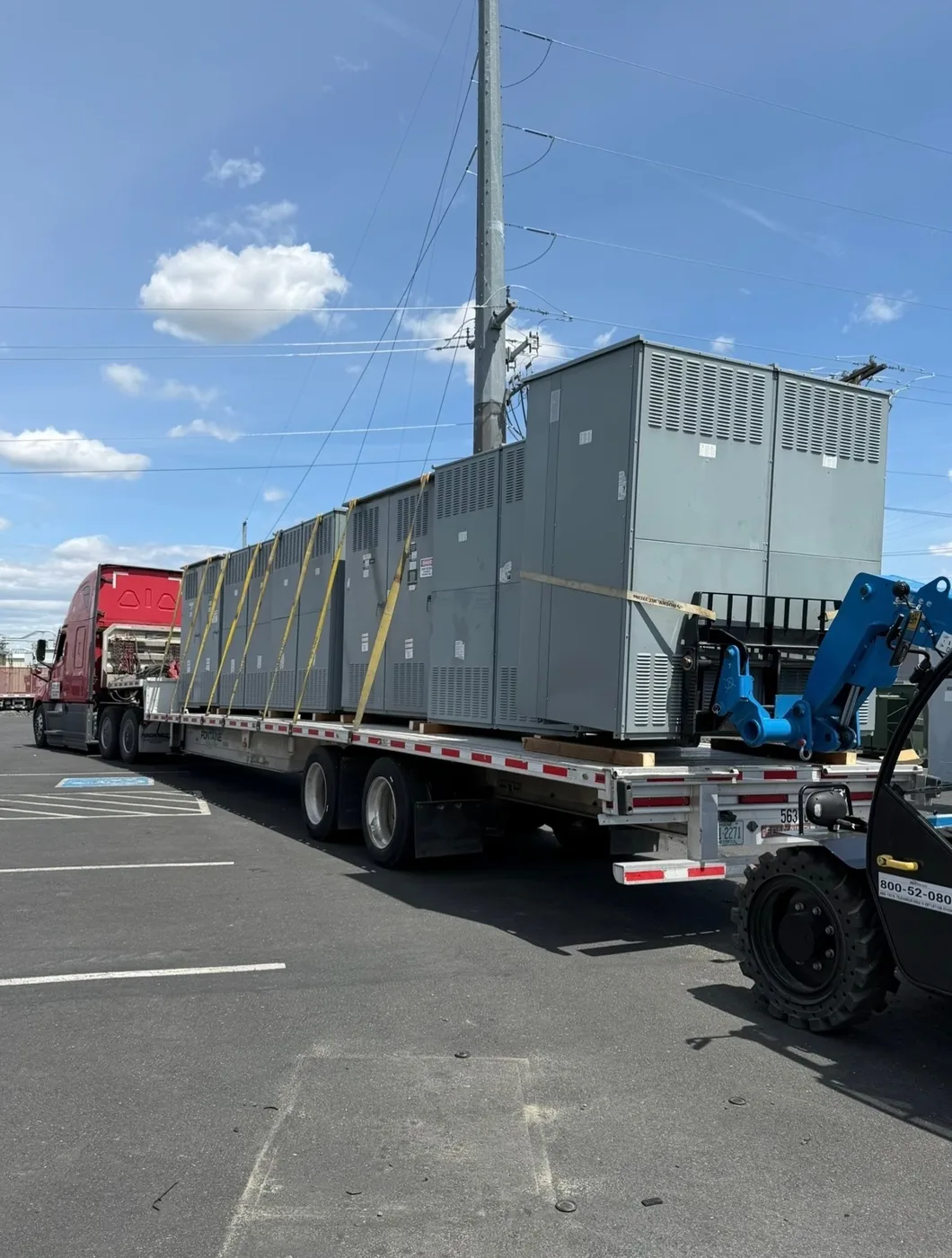
The buyer purchases used and surplus switchgear, including equipment from decommissioned facilities, makes cash offers, and pays upfront. A quote depends on review of the available equipment information; it is not a guaranteed valuation. The seller does not need to test the switchboard. The buyer handles rigging and logistics at its expense, including disconnects, loading, freight, and hauling.
Identify Sections and Ownership
A switchboard may comprise multiple sections, mains, distribution components, and connected equipment. For an initial review, describe what appears to be included as a complete assembly and what may be separate. If labels or drawings identify section designations, share those identifiers as written rather than interpreting them or guessing at missing specifications. This helps distinguish the offered equipment from adjacent campus gear.
Ownership and approval deserve particular attention in a university setting. The department using a laboratory may not own the electrical equipment, and a project contractor may not have authority to release it. Identify the asset owner, facilities representative, or other responsible decision-maker, then confirm who can approve a sale and sign off on removal. The buyer can review equipment details, but cannot replace the institution’s internal authorization process.
For a quote request, share any existing nameplate information, equipment descriptions, photographs taken from a safe and permitted position, and available records. Useful details may include manufacturer, model, ratings, configuration, and apparent condition, if known. Do not invent missing values or open covers to obtain them. Where information is unavailable, say so; a review can begin with what the seller can safely provide.
Coordinate Campus Decommissioning
A release date can differ from a construction milestone. Before requesting a quote, clarify when the switchboard can be made available, whether removal is tied to a shutdown window, and whether the institution requires internal approvals first. These dates help the buyer assess practical logistics without implying that a specific offer or collection date is guaranteed.
Continuing campus operations can affect the route from the electrical room to a loading area. Note any known constraints such as restricted corridors, controlled access, limited staging space, scheduled building activity, or requirements for coordinating with facilities staff. Share only information you are authorized to disclose. A basic access description is more useful than assuming a truck, crane, or rigging team can reach the equipment without planning.
Electrical handling, isolation, and disconnects must be performed by qualified personnel following applicable safety procedures. Do not work on energized equipment or attempt to prepare it for removal. The buyer handles disconnects and other agreed logistics at its expense. The seller’s role is to coordinate access and approvals with the institution and provide practical information about the location and release conditions.
Make Equipment Information Useful
Clear identification reduces uncertainty during review. State whether the proposed sale includes one switchboard or several, whether sections are being offered together, and whether any components are excluded. If drawings, asset records, or decommissioning documents are available, they can help explain the assembly and project boundaries. Share copies only when permitted, and distinguish documented facts from estimates or recollections.
Describe visible condition cautiously. For example, report whether the equipment is identified as removed, stored, or still installed, if that status is known. Mention missing labels, incomplete records, or visible damage without making a technical diagnosis. Testing is not required. If test records already exist and the institution is allowed to share them, they may be included as background, but the seller need not arrange new tests.
Photographs can show the overall lineup, section arrangement, readable external labels, and the route or doorway relevant to removal. Take images only when safe and permitted, from positions that do not require touching equipment or entering restricted areas. Avoid photographing confidential campus information. When a detail cannot be captured safely, describe the limitation instead of taking a risk or guessing.
Request a Review and Plan Release
An actionable request can bring together the switchboard description, known ratings, ownership approval status, project release date, and access constraints. Include a contact person authorized to discuss the asset, along with any timing milestones that may affect its availability. A concise account of what is included and what remains uncertain helps the buyer review the opportunity without treating assumptions as confirmed facts.
Ask for the buyer to review the information and make an offer based on the equipment presented. The business buys used and surplus switchgear across all voltage classes, makes cash offers, and pays upfront. The seller does not need to test equipment. A quote depends on review, so avoid relying on an assumed price or valuation before details are considered.
Once an offer is under consideration, coordinate the institution’s approval and release process with the buyer. Provide updates if the release date, included sections, or access arrangements change. The buyer handles rigging and logistics, including crane, rigging, disconnects, loading, freight, and hauling at its expense. Qualified personnel must follow applicable safety procedures for electrical work; the seller need only arrange authorized access and receive payment.