THE BUYER'S GUIDE / CALIFORNIA
Sell Switchgear From a Phased Data Center Shutdown in California
Data center decommissioning: we handle the work
We buy electrical switchgear out of decommissioned data centers. Crane, rigging, disconnects, loading, freight and hauling are on us. The seller does nothing but get paid; qualified personnel handle the electrical work.
Begin With Identifiers and Known Access
Which switchgear is being released, and what nameplate details are already available? Those questions make a useful starting point for selling switchgear from a phased data center shutdown in California. List the equipment by lineup, section, or site identifier, and share manufacturer or model information only when it is known from existing records or safely visible markings.
A phased shutdown can leave some equipment available while other operations continue. Separate the equipment proposed for sale from items that remain in service, are excluded, or have not yet been approved for release. If the boundary is still being decided, say so. This prevents a general shutdown description from implying that every switchgear section is included.
Share the site location and any access restrictions the owner already knows, such as a required coordination window or limits on reaching the relevant area. Do not enter restricted spaces, approach energized equipment, or open an enclosure to gather details. A quote request can proceed with available information, including a clear account of what remains uncertain.
Describe the Phases and Equipment Scope
For each proposed group, note its phase or expected release sequence, using the terms already used by the owner or decommissioning team. Distinguish a confirmed release from a tentative date or a phase dependent on further approval. If several groups are involved, identify each separately so a reviewer can understand whether the request concerns one phase or a broader equipment lot.
Include quantities and the scope of the offer: complete lineups, selected sections, or specific equipment only. Identify whether each group is installed or already staged, and avoid assuming that nearby components are part of the sale. Existing equipment schedules, inventory records, and labels can help explain the scope without requiring a seller to generate new technical documentation.
The phase information matters because availability and access may change over time. A buyer reviewing the offer needs to understand what can be considered now and what may become available later. The seller can describe the known sequence without guaranteeing a date or making decisions for any facility operations that continue.
Explain What Is Known About Condition
Condition notes should distinguish observed facts from unknowns. A seller might report that equipment is installed, stored, or visibly damaged, or that records indicate a particular modification. If a detail is not known, mark it as unknown rather than diagnosing the equipment. Available nameplate information, manuals, or existing maintenance records can support the description.
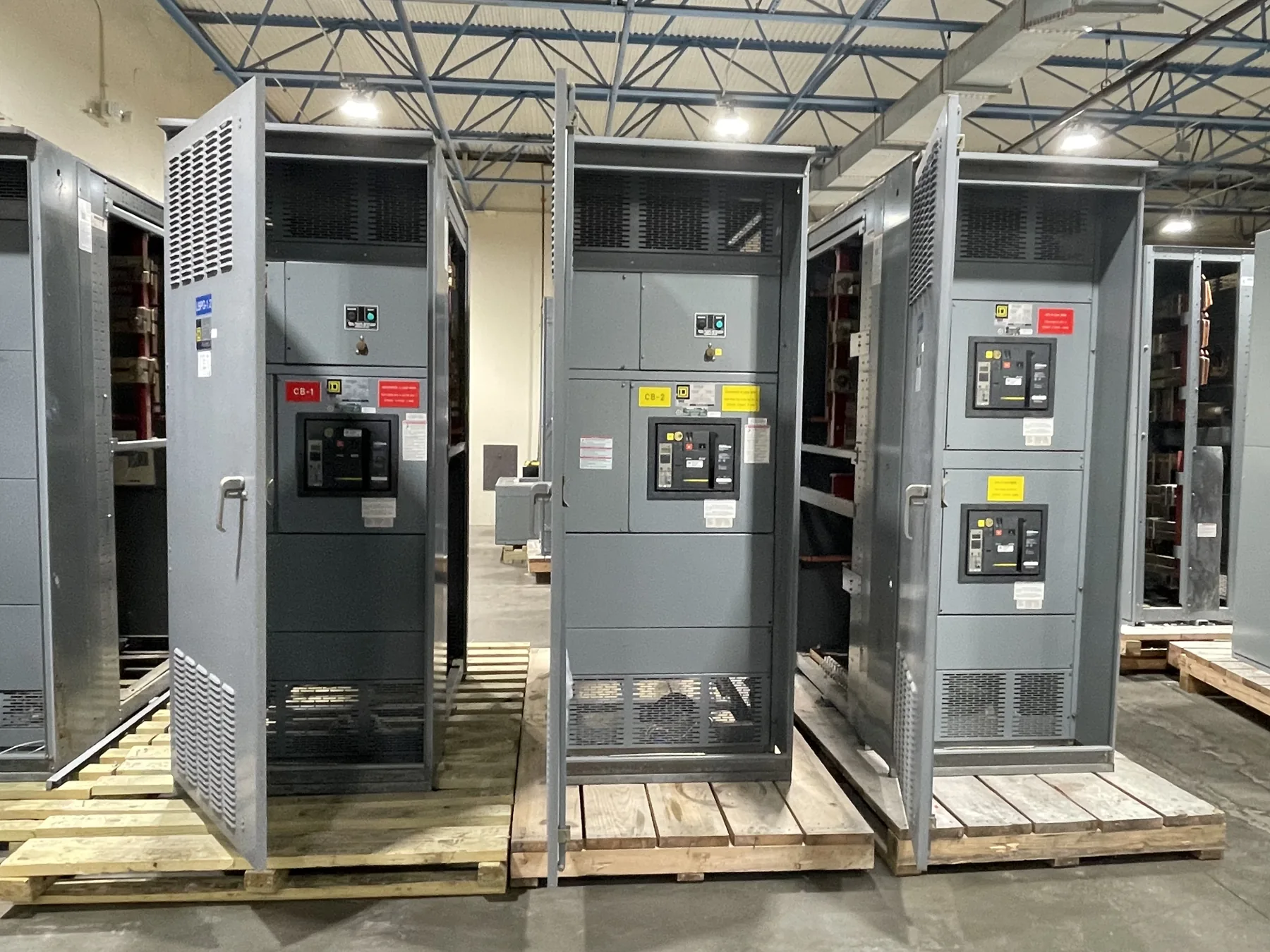
Safe exterior photographs and views of nameplates may be shared if they already exist or can be obtained without risk. They are optional, and no image is needed if access would be unsafe or restricted. Never open switchgear or approach energized equipment for a photograph. Do not ask facility staff to perform testing as a condition of a quote request.
Testing is not required. Electrical work, including disconnects, belongs to qualified personnel following applicable safety procedures. The buyer handles the disconnect work if a purchase is agreed. These limits allow the owner to provide a sound description while avoiding unsafe inspection or work undertaken only to prepare equipment for sale.
Fit Removal Planning to Remaining Operations
When operations continue during a phased shutdown, access details should be specific but limited to what the owner knows. Share the general site location, relevant building or room identifiers, known loading constraints, and any required coordination with site personnel. Note whether restrictions apply to particular dates or areas, without making assumptions about the buyer’s access rights.
A release window can differ from an estimated shutdown date. Separate confirmed availability from a forecast, and explain any known dependency on a phase, approval, or operational handoff. This helps keep removal planning aligned with the actual status of the offered switchgear and avoids treating an early inquiry as authorization to enter or remove equipment.
If the purchase is agreed, the buyer handles and pays for crane, rigging, electrical disconnects, loading, freight, and hauling. The seller does not have to arrange removal or disconnect equipment. Qualified personnel perform electrical work using applicable safety procedures. The seller’s contribution is the known access and timing information, not electrical labor or rigging coordination.
Send a Clear Request for Review
A focused quote request can include the equipment identifiers, quantity, proposed sale scope, phase, condition information, location, and known access limits. Add existing inventory documents or safe exterior images if available. Explain which dates are confirmed and which are estimates. A short, accurate description is more useful than a complete-looking list built from guesses.
The business buys used and surplus switchgear from decommissioned data centers and shut-down power plants, including all voltage classes. Sellers are not required to test equipment. A quote depends on reviewing the equipment and available information; a request does not guarantee a valuation, eligibility, or exact response timing.
The business makes cash offers and pays upfront if a purchase is agreed. An offer by itself does not trigger payment. If the transaction proceeds, the buyer also handles and pays for the removal logistics. Begin with the switchgear that is actually available in the relevant phase and state plainly what remains unresolved; the review can then address the real scope of the proposed sale.