THE BUYER'S GUIDE / CALIFORNIA
Sell Auxiliary Power Switchgear From Power Plant Teardown in California
Power plant teardown: we handle the work
We buy electrical switchgear out of shut-down power plants. Crane, rigging, disconnects, loading, freight and hauling are on us. The seller does nothing but get paid; qualified personnel handle the electrical work.
Planning a Teardown Sale
A power plant teardown can bring several kinds of electrical equipment into a sale at different stages. If you want to sell auxiliary power switchgear from power plant teardown in California, begin by describing the equipment actually included, rather than assuming every section is part of one lot. A quote depends on reviewing the equipment, and it is fine to identify details that remain uncertain.
Auxiliary switchgear supports plant services rather than necessarily forming part of the primary generating equipment. The exact function and configuration vary, so explain what the panels served only if that information is known. A basic description of the sections being offered helps distinguish auxiliary gear from other switchgear, motor-control equipment, or unrelated plant assets being removed during the same project.
Collection timing may depend on the teardown sequence. Share the expected collection phase if the owner or project team has established one, but do not delay an inquiry to obtain a schedule that is not yet settled. An approximate phase can help frame access and coordination; uncertainty is useful context too, because it avoids treating a tentative demolition plan as a firm commitment.
Identify the Sections Included
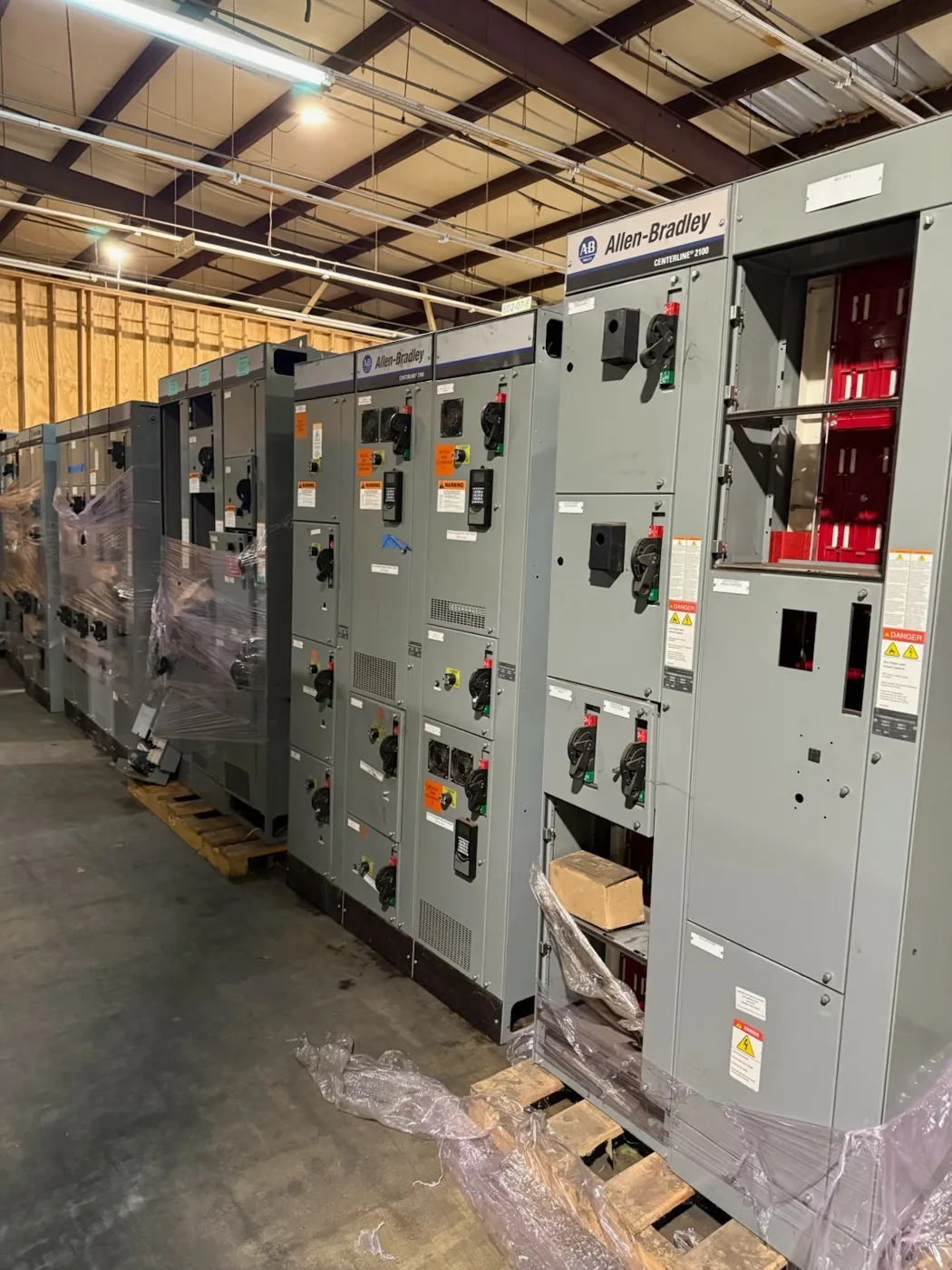
Describe how many switchgear sections are included, or provide an estimate if the count is still being confirmed. Note whether the offer concerns a complete lineup, selected sections, or equipment from more than one location within the plant. Clear scope matters because adjoining panels may have different functions, ratings, or ownership, and a buyer should review the actual equipment proposed rather than infer a complete assembly.
Readable nameplate details can help identify voltage class, manufacturer, model, and other ratings, where visible. Do not invent missing information or assume every section matches its neighbor. Existing records may also help explain the lineup, but a seller need not create new technical documentation. The business buys switchgear across all voltage classes, so an unknown rating does not by itself make an inquiry pointless.
Share condition in ordinary terms, such as whether the gear is described as complete, disconnected, stored, or awaiting removal. Mention known missing components or visible damage if that information is available. There is no need to test the equipment to describe it, and no request requires opening a cabinet. A careful account of known facts is more useful than speculation about internal condition or operating performance.
Share Useful Review Information
For an initial review, provide the equipment description, included sections, any readable ratings, current location, and the collection phase if known. Those details help establish what is being considered and where it sits in the teardown process. If more than one group of auxiliary switchgear is available, describe each group separately where practical, so differences in scope or access do not get lost in a broad site summary.
Existing photographs are optional. A safely visible exterior view or nameplate image may help clarify identification, but do not approach equipment or take a picture if doing so would be unsafe. Never open electrical equipment to photograph its interior or connections. If no safe image is available, a written description or existing records can still provide useful starting information.
You can also mention relevant access limits and who coordinates entry, but only to the extent those details are known. For example, explain whether the equipment remains in place or is already staged, and whether collection must fit a known teardown phase. Do not guess at dimensions, lifting points, or electrical status. The purpose is to support review and planning, not to turn an initial inquiry into a technical inspection.
Coordinate Safe Removal
Switchgear removal involves electrical handling and, depending on the equipment and site, lifting and transport coordination. Electrical work and disconnects belong to qualified personnel following applicable safety procedures. Sellers should not approach or work on energized equipment, and they do not need to arrange the disconnects. The buyer handles and pays for electrical disconnects, crane, rigging, loading, freight, and hauling if a purchase is agreed.
Access information can help plan that work without asking the seller to perform it. Share known restrictions such as an established access window, a collection phase, or a requirement to coordinate entry with the site. If the route, lifting conditions, or readiness have not been assessed, say so rather than making assumptions. The buyer handles logistics, while accurate known details help identify questions that may need coordination before collection.
A plant teardown may involve changing work areas and schedules, so distinguish confirmed arrangements from proposals. If the equipment is not yet available for collection, explain the anticipated stage when it may be released, if known. There is no need to promise a date before the project team has one. This keeps the discussion practical and reduces confusion between an initial review, an agreed purchase, and later removal planning.
Request a Quote with Known Facts
To request a review, describe the auxiliary power switchgear, the sections included, any readable ratings, its condition as known, its California location, and the expected collection phase if available. Add safe existing exterior or nameplate photos only if you already have them or can obtain them without risk. A quote depends on reviewing the equipment; submitting information does not establish a guaranteed valuation or require a sale.
You do not need to test the switchgear, open it, arrange a disconnect, or organize rigging before making an inquiry. If important details are unavailable, state that plainly and share what can be confirmed. The business buys used and surplus switchgear, including equipment from decommissioned power plants, and makes cash offers. An offer itself does not trigger payment; if a purchase is agreed, payment is upfront.
Keep the request focused on the equipment actually offered and the circumstances that affect review or collection. If several sections are included, a concise description of their grouping and known ratings can make the scope clearer. Once the equipment has been reviewed and an agreement is reached, the buyer handles the removal logistics at its expense. The seller’s role is to share available information and, after agreement, get paid.