THE BUYER'S GUIDE / CALIFORNIA
Sell Substation Switchgear From Power Plant Teardown in California
Power plant teardown: we handle the work
We buy electrical switchgear out of shut-down power plants. Crane, rigging, disconnects, loading, freight and hauling are on us. The seller does nothing but get paid; qualified personnel handle the electrical work.
Start With Equipment and Ownership Details
A facility change or teardown can involve equipment with different owners and operating boundaries, so begin by identifying the substation switchgear actually offered. For a potential sale in California, use existing labels, asset records, drawings, or inventories to describe the lineup. Do not assume that every enclosure within a substation area belongs to the same party or is included in one transaction.
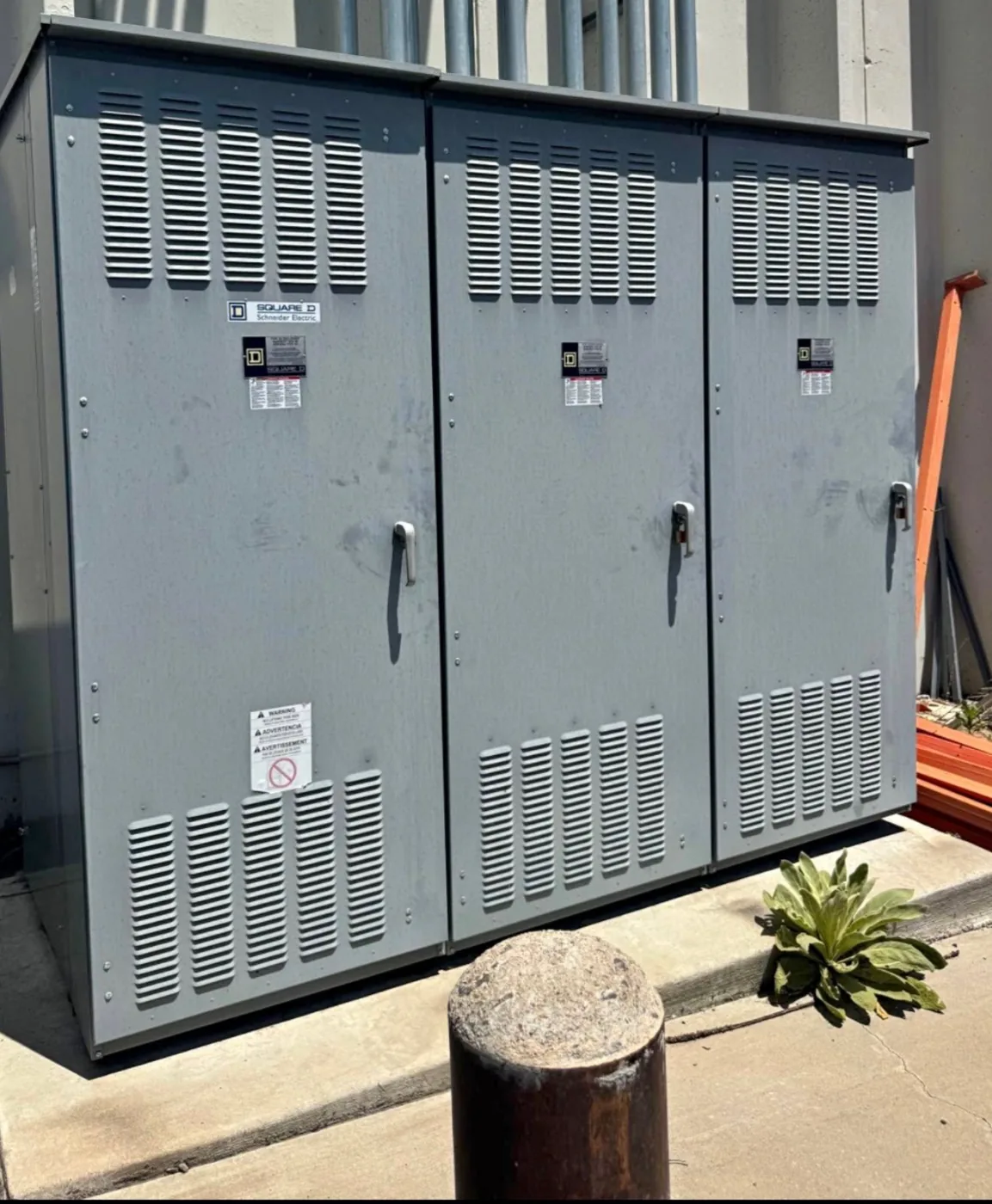
Share documented ownership information if it is available, along with the number of sections and any known enclosure type. Ratings and other nameplate details can help distinguish the equipment, but report only what records or safely visible labels confirm. Do not guess based on nearby equipment. If ownership, boundaries, or a specification is unclear, mark it as unknown rather than treating a likely answer as fact.
The buyer reviews the equipment offered, not an imagined project or an entire facility. Explain whether the proposed group is a complete lineup, selected sections, or switchgear with related items. State what is excluded where known. A concise scope description helps establish what the seller is asking the buyer to consider and prevents neighboring assets from being mistakenly included.
Describe Enclosures, Ratings, and Condition
Existing documentation may identify voltage class, ratings, configuration, manufacturer, model, or enclosure type. These details help the buyer understand what is being offered and compare the description with the actual equipment. Share only confirmed information. The buyer considers all voltage classes, but a review is still necessary before an offer can be made; a broad category or site description does not establish a valuation.
Describe condition based on records and direct knowledge already available. Explain whether the switchgear remained installed when operations stopped, was removed, or has been stored, and note known missing pieces or visible exterior damage. If maintenance or operating history is unavailable, say so. Sellers are not required to test the equipment, and no electrical test should be arranged just to support an inquiry.
Optional, existing photographs can show the exterior, enclosure arrangement, and safely visible labels. No photograph is needed if obtaining one would require unsafe access. Never open an enclosure or approach energized equipment for inspection or images. A written inventory may be a better source than a new photograph, especially when access is limited during a teardown.
Explain Utility Coordination Only as Known
Substation equipment may have coordination or ownership considerations beyond its physical location. If utility coordination is known to apply, describe what has been confirmed and who has provided that information. Do not claim approval, permission, or a completed coordination step without documentation. If no information is available, simply say that the status has not been established.
A teardown inventory or ownership record may help define whether the switchgear can be offered separately from other substation equipment. Identify any known shared boundaries or exclusions, including neighboring assets that are not part of the proposed sale. If the documents are incomplete, note the gap. This allows the buyer to review the actual proposed equipment without relying on assumptions about utility or plant arrangements.
The seller need not resolve every technical or administrative question before making an inquiry. Share records that are already available and identify which questions remain for the owner or relevant site contacts. Do not attempt to disconnect equipment or access restricted areas to gather information. Qualified personnel perform electrical work according to applicable safety procedures, and the buyer handles the work if a purchase is agreed.
Share Access and Removal Context
For planning, describe the known location of the switchgear, whether it is indoors or outdoors if confirmed, and any known route from its present position to loading. Mention access restrictions, site rules, or timing information only when the owner knows them. The purpose is to give context for review, not to create a removal plan or promise that a particular route is available.
If a purchase is agreed, the buyer handles and pays for crane, rigging, electrical disconnects, loading, freight, and hauling. The seller does not have to arrange these services or take on the physical work. Electrical handling and disconnects belong to qualified personnel following applicable safety procedures. Do not approach energized equipment, open enclosures, or try to prepare the switchgear for removal.
Unknown access details are acceptable in an initial inquiry. A route, lifting requirement, or coordination schedule may need confirmation later, but do not invent measurements or commitments. Share the room, yard, or site location as accurately as you can from existing information. If access has not been assessed, state that clearly so the buyer can distinguish known conditions from matters still to be coordinated.
Request a Review of the Specific Lineup
A focused quote request should identify the substation switchgear, documented ownership if available, enclosure type, known ratings, quantity, and location in California. Include existing records or safely available exterior images when convenient, and describe condition as known. Note any utility coordination information without overstating its status. If some details are missing, list what is unknown rather than delaying the inquiry or guessing.
The buyer must review the equipment before deciding whether to make an offer. A request does not guarantee eligibility, a particular valuation, or an exact response time. The business buys used and surplus switchgear from sources that include decommissioned data centers and shut-down power plants, and buys all voltage classes. Each proposed lineup is considered on its own information and circumstances.
If the purchase is agreed, payment is upfront; an offer alone does not cause payment. The buyer takes responsibility for crane, rigging, disconnects, loading, freight, and hauling at its expense. To begin, provide the details already available, clarify which assets are included, and ask the buyer to review the specific substation switchgear being offered.