THE BUYER'S GUIDE / CALIFORNIA
Sell Switchgear From Solar Facility Decommissioning in California
Decide What the Solar Project Is Releasing
When a solar facility is decommissioned or reconfigured, switchgear may become surplus even while other site assets remain in use. If you plan to sell switchgear from solar facility decommissioning in California, begin by defining the equipment being released rather than treating the entire project as one lot. A clear boundary helps everyone understand what the quote request covers.
Identify whether the proposed equipment is a lineup, individual sections, or associated switching and distribution units. Include manufacturer and model information only when readable, and describe the equipment in ordinary terms if labels are incomplete. Do not assume that inverters, transformers, conductors, controls, or other solar assets are part of the switchgear transaction.
Ownership and authority matter alongside equipment identity. Confirm that the organization requesting an offer owns the gear or is authorized to arrange its sale, and identify who can approve removal. If project ownership, leases, or contractor responsibilities are still being sorted out, say so; an initial request can explain what is known without presenting uncertain details as settled.
Share Ratings and Condition Information
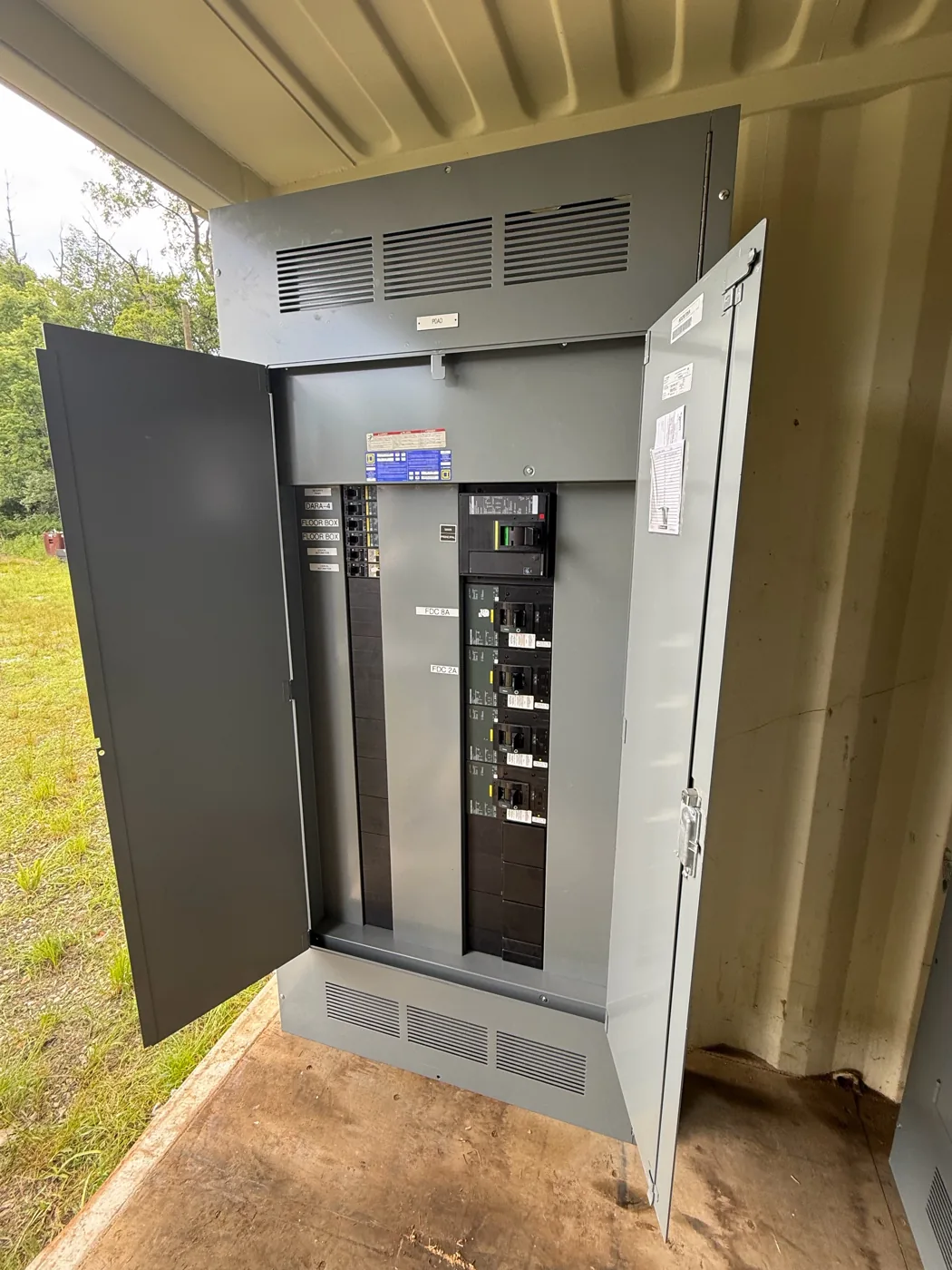
Nameplate details help distinguish one assembly from another and support an informed review. For solar-related switchgear, share the available AC voltage and current ratings, frequency, interrupting or withstand information if shown, and any other legible nameplate data. These are examples of information to report, not details to guess. A photograph of a readable label can help clarify a written description.
Describe the apparent configuration and condition without attempting electrical work. Note whether doors, covers, bus sections, breakers, or other visible components appear present, and mention known modifications or missing parts. If documentation, drawings, or a prior equipment list exists, it may add useful context, but a seller need not create records that are unavailable.
There is no requirement to test equipment before requesting a review. Do not open or handle energized gear to gather information. Any electrical handling or disconnects belong to qualified personnel following applicable safety procedures; the buyer handles the work. If you do not know whether the equipment was operating recently, state that the operating history is unknown rather than treating it as a defect or making a performance claim.
Coordinate Decommissioning and Outdoor Access
Project timing can affect how a proposed removal fits with the facility schedule. Explain when the switchgear is expected to be released, whether that date is firm, and whether other work must occur first. If the project has phases, identify the phase containing the equipment. These details allow the review to account for timing without assuming that any particular schedule or removal date is guaranteed.
Outdoor locations call for a practical description of the route and setting. Share whether the gear is inside an enclosure or exposed to weather, how a vehicle might approach, and whether gates, slopes, limited turning room, overhead obstructions, or restricted work windows may affect access. Photos of the equipment and approach can help explain conditions, provided they can be taken safely.
Do not assume that solar project access means every asset or work area is available for removal. Clarify which area is controlled by the seller, whether site permissions are needed, and who coordinates entry. The buyer handles rigging and logistics, including crane, rigging, disconnects, loading, freight, and hauling at its expense; accurate access information helps plan those responsibilities.
Prepare a Useful Equipment Summary
A concise summary can connect the equipment description, project status, and practical constraints. State the number of sections or units as best you can, the general arrangement, available AC ratings, and the location within the facility. Distinguish confirmed information from estimates. If an exact quantity or rating remains uncertain, describe the uncertainty rather than filling gaps with assumptions.
Ownership records, equipment schedules, photographs, and drawings can support review when available. They are helpful sources, not mandatory documentation. If a list includes equipment beyond the switchgear, mark what is included and excluded. That distinction matters because solar sites can contain multiple electrical assets, while the request should clearly identify the gear being offered.
Include the name or role of the person authorized to discuss the equipment and coordinate site details. Mention any approval still pending, such as a project owner’s release or a property access decision. Clear authority helps avoid confusion about whether the seller can proceed, while leaving final decisions to the responsible parties rather than implying that every project asset is automatically available.
Request a Review and Cash Offer
To request a review, describe the switchgear, share available nameplate information, explain ownership and release status, and outline outdoor access and timing. Attach photographs or documents only if they are already available and can be shared. The buyer reviews the equipment before making an offer, so no fixed price or eligibility should be assumed from a brief description.
The buyer purchases used and surplus switchgear from all voltage classes, including equipment from decommissioned facilities, and makes cash offers with payment upfront. Sellers are not required to test equipment. If records are incomplete, a straightforward explanation of what is known and what remains unknown is more useful than unsupported assurances about condition or operation.
Once the equipment has been reviewed, discuss any questions about the proposed scope and site coordination with the authorized buyer representative. The buyer handles the rigging and logistics at its expense, including disconnects, loading, freight, and hauling. The seller’s role is to provide accurate information and authorization; the seller does nothing but get paid after the arrangement is agreed.