THE BUYER'S GUIDE / CALIFORNIA
Sell Service-Entrance Switchboards From Power Plant Teardown in California
Power plant teardown: we handle the work
We buy electrical switchgear out of shut-down power plants. Crane, rigging, disconnects, loading, freight and hauling are on us. The seller does nothing but get paid; qualified personnel handle the electrical work.
Deciding What to Include in a Teardown Sale
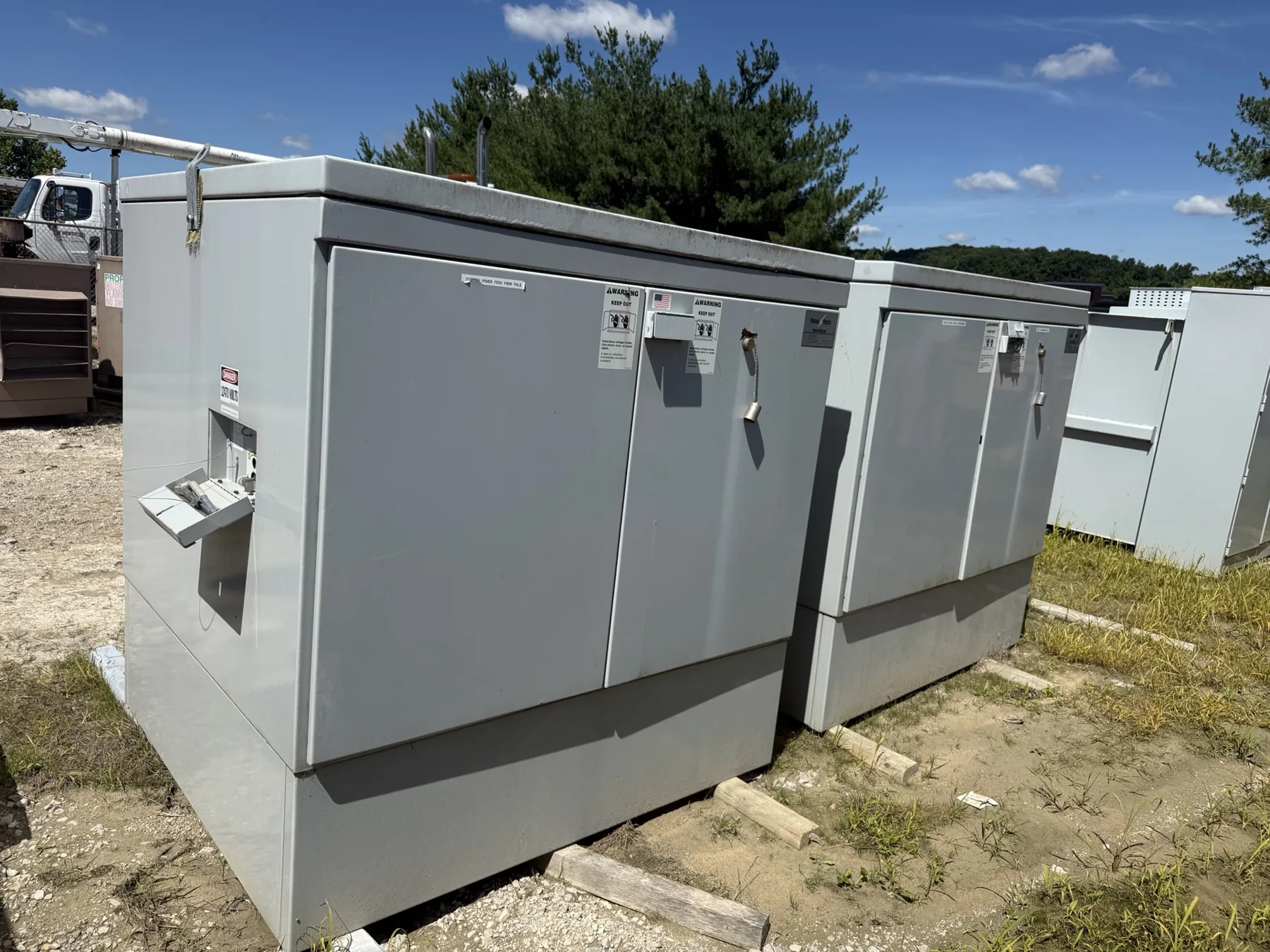
When a power plant teardown makes service-entrance switchboards surplus, first clarify which equipment the owner is considering for sale. A switchboard may be offered as a complete assembly or as selected main and feeder sections, so describing the intended scope helps a buyer review the opportunity without assuming every connected component is included.
Ownership is an important starting point. The person requesting a quote should be able to explain who owns the switchboards and whether another party, such as a utility or project stakeholder, has a role in deciding what can be removed. If authority is shared or still being confirmed, say so; clear context can prevent confusion about what the offer covers.
For sellers in California, the business buys used and surplus switchgear, including equipment associated with shut-down power plants. It makes cash offers and pays upfront if a purchase is agreed. An offer itself does not trigger payment, and any quote depends on reviewing the equipment information and proposed scope.
Identify the Main and Feeder Sections
A useful description distinguishes the service-entrance lineup from other electrical equipment at the site. Share any manufacturer, model, catalog, or nameplate details that are already available to you, along with approximate dimensions or section count if known. Do not guess at missing information: an accurate note that a detail is unknown is more useful than an unsupported identification.
Explain which main section and feeder sections are being offered, and whether the proposed sale includes associated switchgear or only the switchboard lineup. Existing drawings, equipment schedules, or records may help describe boundaries, but gathering them is optional. A buyer can use whatever relevant information the owner already has to understand the configuration and review the scope.
No seller testing is required. If safe, existing exterior or nameplate photos can help clarify visible identification and condition, but no photo is necessary if obtaining one would involve approaching unsafe equipment. Never open a cabinet or reach toward connections to take pictures. Electrical inspection and handling belong to qualified personnel following applicable safety procedures.
Describe Condition Without Testing
A quote review can begin with a straightforward account of the switchboards’ known condition. Mention whether the equipment was operating before shutdown, has been stored, or has visible exterior damage, if those facts are known. Distinguish observed details from assumptions, and note uncertainty rather than presenting an unverified operating claim as fact.
Records already available may add helpful context, such as maintenance history, prior inspection documents, or a decommissioning inventory. They are information to share if convenient, not tasks the seller must create. The buyer does not require the owner to test the switchboards, energize equipment, or arrange a technical inspection before requesting a quote.
If the lineup remains connected or its electrical status is uncertain, do not approach it or attempt a disconnect. Qualified personnel must perform electrical work under applicable safety procedures. The buyer handles and pays for electrical disconnects as part of the agreed logistics, so the seller should describe the situation from a safe distance or through existing records.
Coordinate Utility and Site Access Details
Service-entrance equipment may involve utility coordination, but the seller should report only what is known. Explain whether a utility has been notified, whether disconnection or removal depends on another party’s approval, and who coordinates that communication if established. These details help clarify the sequence and scope; they do not make the seller responsible for electrical work or rigging.
For a practical logistics review, share the equipment’s location within the property, access routes known to the owner, and any constraints that could affect movement. Examples include limited doorway clearance, stairs, a loading area, or restricted vehicle access, if applicable. Do not invent measurements or conduct a new survey; available plans or a careful description can be enough to begin discussion.
The buyer handles and pays for crane service, rigging, disconnects, loading, freight, and hauling. The seller is not expected to arrange those services. If the purchase is agreed, the seller’s role is limited to providing relevant information and coordinating access as appropriate; the seller does nothing but get paid under the agreed arrangement.
Request a Review and Cash Offer
To request a quote, describe the service-entrance switchboards, identify which main and feeder sections are included, and state what is known about ownership and utility coordination. Add any existing identification records, optional safe exterior or nameplate photos, known condition details, and the equipment’s location. Missing information is not a reason to invent an answer or perform a test.
Include only access and timing details the owner already knows, such as whether the equipment is still installed or whether teardown planning is underway. This context helps the buyer review the proposed scope and logistics. A quote depends on that review, so neither eligibility nor a particular price should be assumed before the equipment information is considered.
The business buys all voltage classes and makes cash offers for used and surplus switchgear. If both sides agree to a purchase, payment is upfront; an offer alone does not initiate payment. Sellers are not asked to test equipment or organize disconnects, cranes, rigging, loading, or transport. Share the available facts and request a review without putting anyone at electrical risk.