THE BUYER'S GUIDE / CALIFORNIA
Sell Switchgear From Semiconductor Fab Decommissioning in California
Plan Around the Fab Release Sequence
In a semiconductor fabrication facility decommissioning, the switchgear release date may depend on a larger sequence of shutdown, access approval, and area turnover. Before you sell switchgear from semiconductor fab decommissioning in California, distinguish what is already released from equipment that remains part of an active or restricted work area. A preliminary inventory is useful even when timing is still developing.
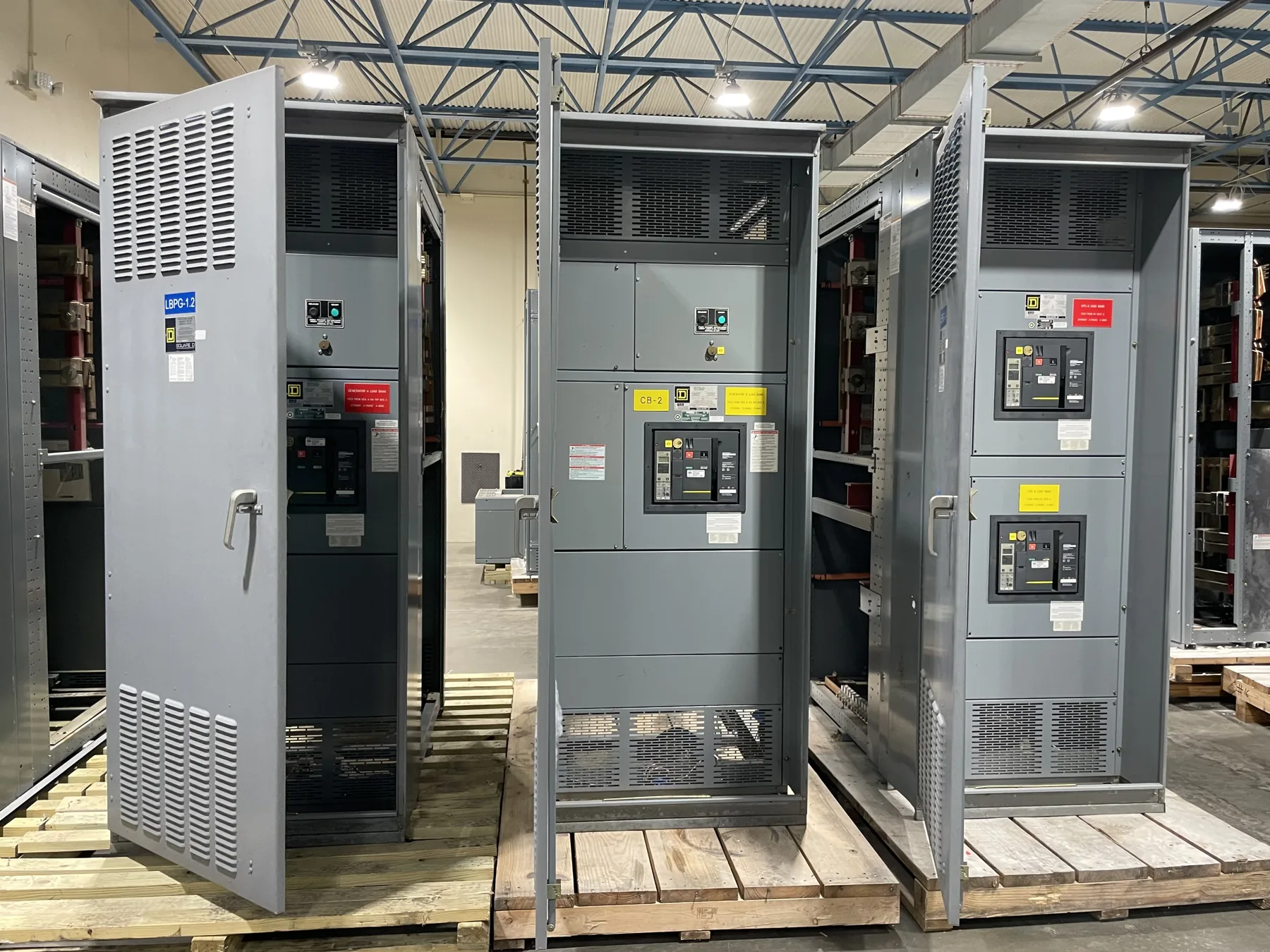
Describe the lineup at a practical level: the number of sections, their arrangement if known, and which boards or sections are included. Note whether the release is for a complete lineup or selected sections. That scope helps a reviewer understand the equipment being considered without assuming that nearby cabinets, controls, or connected components are included.
Controlled-site access should be explained as a coordination issue, not a reason to delay an initial inquiry. Share known entry procedures, escort requirements, work windows, or approval steps, if applicable. The buyer reviews the information before making a cash offer; no specific local facility conditions should be presumed from the California location alone.
Identify the Switchgear Lineup
Nameplate information can give a reviewer a more reliable starting point than a general description such as a power room lineup. Share manufacturer, model, voltage class, and other ratings that are legible, along with photographs when available. If a label is obscured or unreadable, identify that limitation instead of guessing or supplying a rating from memory.
Record section labels or lineup designations if they are already present in facility documents. Where the lineup has multiple sections, note which labels correspond to the release and whether any sections are excluded. This avoids confusion between equipment physically adjacent to the target lineup and equipment that the owner has actually authorized for sale.
Condition details should reflect what someone can safely observe or what records already show. Mention visible damage, missing doors or covers, modifications, or storage history if known. Testing is not required. Existing maintenance or inspection documents can be shared voluntarily, but a seller should not perform electrical work or testing to create information for a quote.
Share Useful Decommissioning Details
Fab shutdown plans can change as areas are released in stages, so explain the current status and identify what remains tentative. A rough sequence—such as the expected order in which rooms or electrical spaces become accessible—can help the buyer consider practical coordination. If the schedule is not fixed, say so; a provisional window is more useful than an invented firm date.
Clarify whether the switchgear will remain in place until the buyer's removal is coordinated or whether another party is responsible for a prior step. The seller need not disconnect or dismantle it. Electrical handling and disconnects belong to qualified personnel following applicable safety procedures, and the buyer handles the work as part of its logistics.
Share site restrictions that could affect removal, such as controlled entry, limited work hours, required escorts, equipment movement approvals, or restrictions on staging. Include only information the facility can confirm. These details help identify coordination needs early, especially when access depends on a release sequence, without implying that the buyer already has approval to enter the site.
Prepare Records Without Testing
A focused submission can include an asset list, lineup photographs, readable nameplates, and a short explanation of the release boundary. Group images by section or room when possible. This makes it easier to distinguish the target switchgear from adjacent equipment and to connect documented ratings with the correct part of the lineup.
It is acceptable to leave unknowns unresolved. Identify unreadable nameplates, uncertain section counts, or pending approvals, and say whether records may become available later. Do not remove covers, approach exposed electrical components, or conduct tests for the sake of a quote. Any electrical work must be handled by qualified personnel under applicable safety procedures.
For a California site, give the general location and describe how an authorized buyer representative could coordinate access through the facility's process. Avoid including sensitive security information in an initial description; explain that further access details can be arranged through the proper contact. The buyer handles rigging and logistics, including crane, rigging, disconnects, loading, freight, and hauling, at its expense.
Request a Switchgear Quote
A practical quote request states that the equipment comes from semiconductor fab decommissioning, identifies the lineup or sections proposed for release, and summarizes known nameplate ratings and condition. Add the anticipated release sequence, access controls, and any scheduling uncertainty. Attach existing photographs or records if available, without making testing a condition of review.
The quote depends on a review of the equipment, so no fixed price, guaranteed valuation, or eligibility should be assumed before that review. The business buys used and surplus switchgear from decommissioned facilities, makes cash offers, and pays upfront when a purchase is agreed. It buys equipment across all voltage classes.
To move the request forward, explain who can confirm the release boundary and how site access is approved. The buyer handles removal logistics and electrical disconnects through qualified personnel following applicable safety procedures, and covers crane, rigging, loading, freight, and hauling. The seller does nothing but get paid; sharing accurate known details is the useful first step.