THE BUYER'S GUIDE / CALIFORNIA
Sell Redundant Power Path Switchgear From Data Center Decommissioning in California
Data center decommissioning: we handle the work
We buy electrical switchgear out of decommissioned data centers. Crane, rigging, disconnects, loading, freight and hauling are on us. The seller does nothing but get paid; qualified personnel handle the electrical work.
Start With Release Timing and Facility Change
When a data center is being decommissioned, the first question about redundant power path switchgear may be when a particular lineup can actually be released. A change in facility operations does not establish that every related section is available at once. Identify the specific equipment being considered and share the timing the owner knows, including any decision still pending.
Avoid assuming a particular redundancy design or treating labels such as primary, alternate, or reserve as a complete description. Use the facility’s existing names for each lineup or group, and explain which names correspond to the equipment offered. If the owner cannot confirm a configuration, say that it is unknown rather than inferring it from room labels or nearby equipment.
A review can begin with incomplete information. The owner can state what is being offered, what remains in service or otherwise unavailable, and whether release depends on a decommissioning milestone. These distinctions help establish scope without asking the seller to alter operations or make a technical assessment of how the power paths function.
Identify Each Offered Lineup Clearly
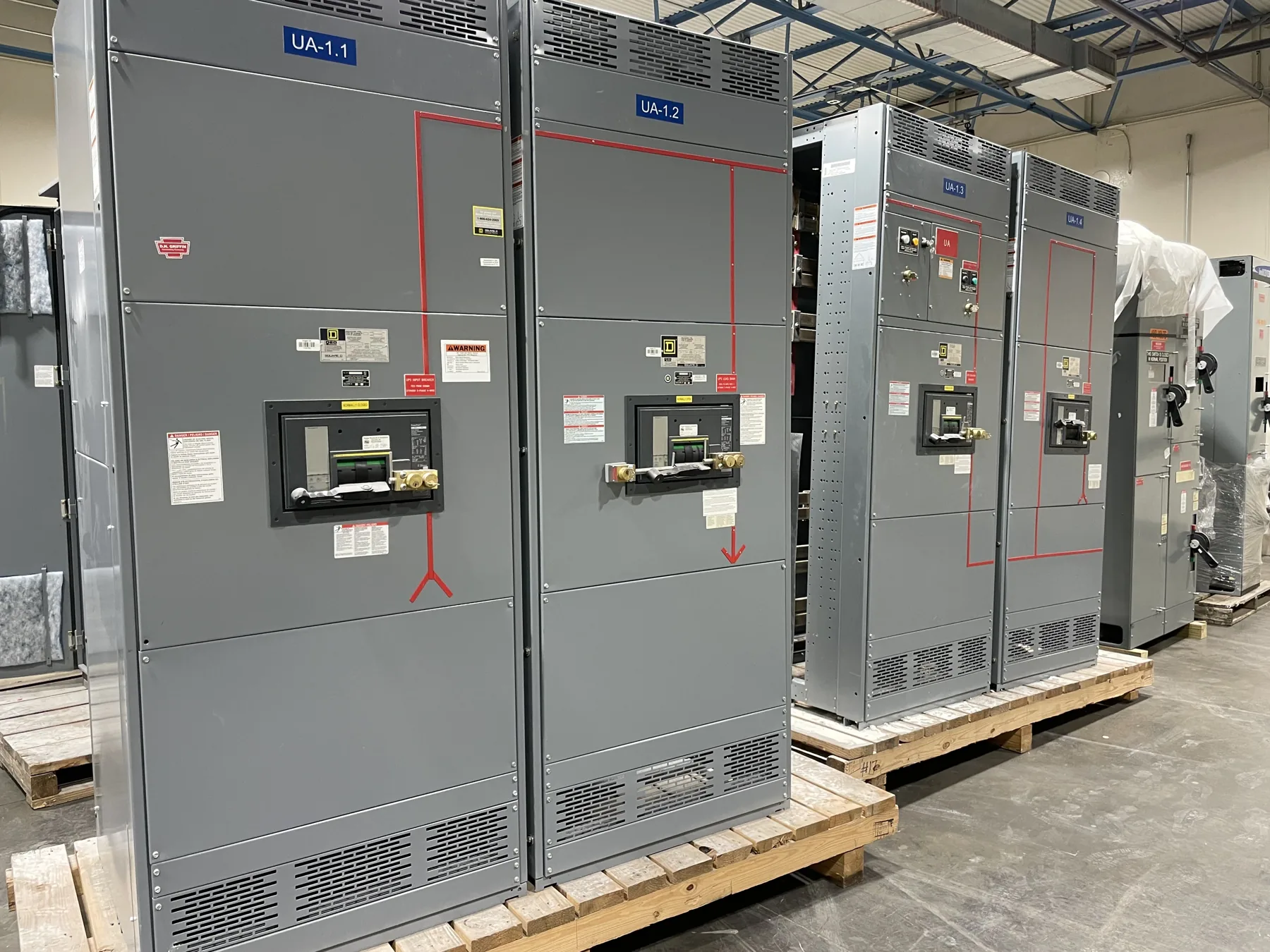
List redundant power path switchgear by lineup, section, or other identifiers already used at the site. For each offered group, provide the known manufacturer, model or catalog references, nameplate details, and quantity, if available. Existing records can be useful when some markings are difficult to read safely. Do not invent missing specifications or treat a general room description as equipment identification.
Clarify whether the proposed sale includes an entire lineup, selected sections, or only particular pieces. State whether the equipment is installed, staged, or stored, and distinguish offered items from adjacent equipment not included. If the owner is still deciding the boundary of the sale, identify that as unresolved. Clear scope helps a reviewer assess the actual equipment rather than an assumed system arrangement.
Existing exterior photographs or safely visible nameplate views may support identification, but they are optional. No one should approach energized equipment, open an enclosure, or enter an unsafe or restricted area to obtain images. A seller can simply say which records or views are unavailable. Testing is not required as part of a quote request.
Explain Condition Without Testing
For an initial review, report condition in terms the owner already knows. Note whether the equipment is installed or stored, whether visible exterior damage is known, and whether documents, spare parts, or accessories are believed to accompany it. If a maintenance record or inventory identifies a modification, share that record or description without claiming more than it establishes.
A seller does not need to prove operation or conduct electrical tests. The review depends on the equipment and information available, not on a seller arranging a test. Do not open switchgear or attempt to inspect internal parts. Electrical handling and disconnects must be performed by qualified personnel following applicable safety procedures.
If information is missing, a direct statement is more useful than a guess. For example, distinguish an unknown condition from a known defect, and note when a nameplate cannot be read from a safe position. This lets the buyer consider the offered lineup on its available description while keeping the seller away from unnecessary and unsafe inspection work.
Coordinate Access and Removal Information
Share the general California location and whatever access details the owner already knows about the equipment. Useful points can include the building or room identifier, loading route constraints, site entry procedures, or whether access must be coordinated with another party. Do not enter restricted spaces or measure equipment if doing so would be unsafe or outside the owner’s normal responsibilities.
Timing deserves particular care during a decommissioning. Give known release dates or phases, and label any tentative schedule as tentative. If equipment cannot be removed until a facility milestone or approval, explain that dependency. The buyer can review those facts without the seller having to commit to a removal date that has not been confirmed.
If a purchase is agreed, the buyer handles and pays for crane, rigging, electrical disconnects, loading, freight, and hauling. The seller is not expected to arrange those services or disconnect equipment. Qualified personnel perform electrical work under applicable safety procedures. Sharing access limits and timing is useful; taking responsibility for the removal plan is not required.
Make a Focused Quote Request
A practical request describes each lineup offered, the items included, known condition, site location, and confirmed or estimated release timing. Include existing inventory records or safe exterior photographs if readily available. If the configuration, condition, or schedule is uncertain, make that clear. The request should reflect what the owner can verify, not a presumed redundancy arrangement.
The business buys used and surplus switchgear, including equipment from decommissioned data centers, and buys all voltage classes. It makes cash offers and pays upfront if a purchase is agreed. Sellers do not need to test equipment. A quote depends on review of the equipment and available details, so the request should not be treated as a guaranteed price or commitment.
An offer alone does not trigger payment, and no exact valuation or timing can be promised before review. If the parties agree to a purchase, payment is upfront and the buyer manages and pays for the removal logistics. Start by sending the lineup identifiers and the release information known; add other records only when safely and reasonably available.