THE BUYER'S GUIDE / CALIFORNIA
Sell Unit Substations From Power Plant Decommissioning in California
Power plant teardown: we handle the work
We buy electrical switchgear out of shut-down power plants. Crane, rigging, disconnects, loading, freight and hauling are on us. The seller does nothing but get paid; qualified personnel handle the electrical work.
Start With the Unit Substation Identity
When a California power plant is being decommissioned, can you identify each unit substation from its nameplate and describe what remains with it? Those details help distinguish one assembly from another and give a buyer a useful basis for reviewing the equipment. Begin with the manufacturer and model information that is actually visible, rather than estimating missing data.
Record the available nameplate ratings, such as voltage and current, exactly as shown. Include the number of transformers, switchgear sections, enclosures, or other components only when you can confirm their presence. A unit substation may be an assembled package or a group of associated items; a clear description prevents assumptions about what the proposed sale includes.
If a plate is difficult to read, say so and share a photograph if one is available. Do not guess at a rating or dismantle equipment to find a hidden label. The business buys used and surplus switchgear across all voltage classes, but a quote depends on reviewing the specific equipment and information provided.
Describe What Is Included
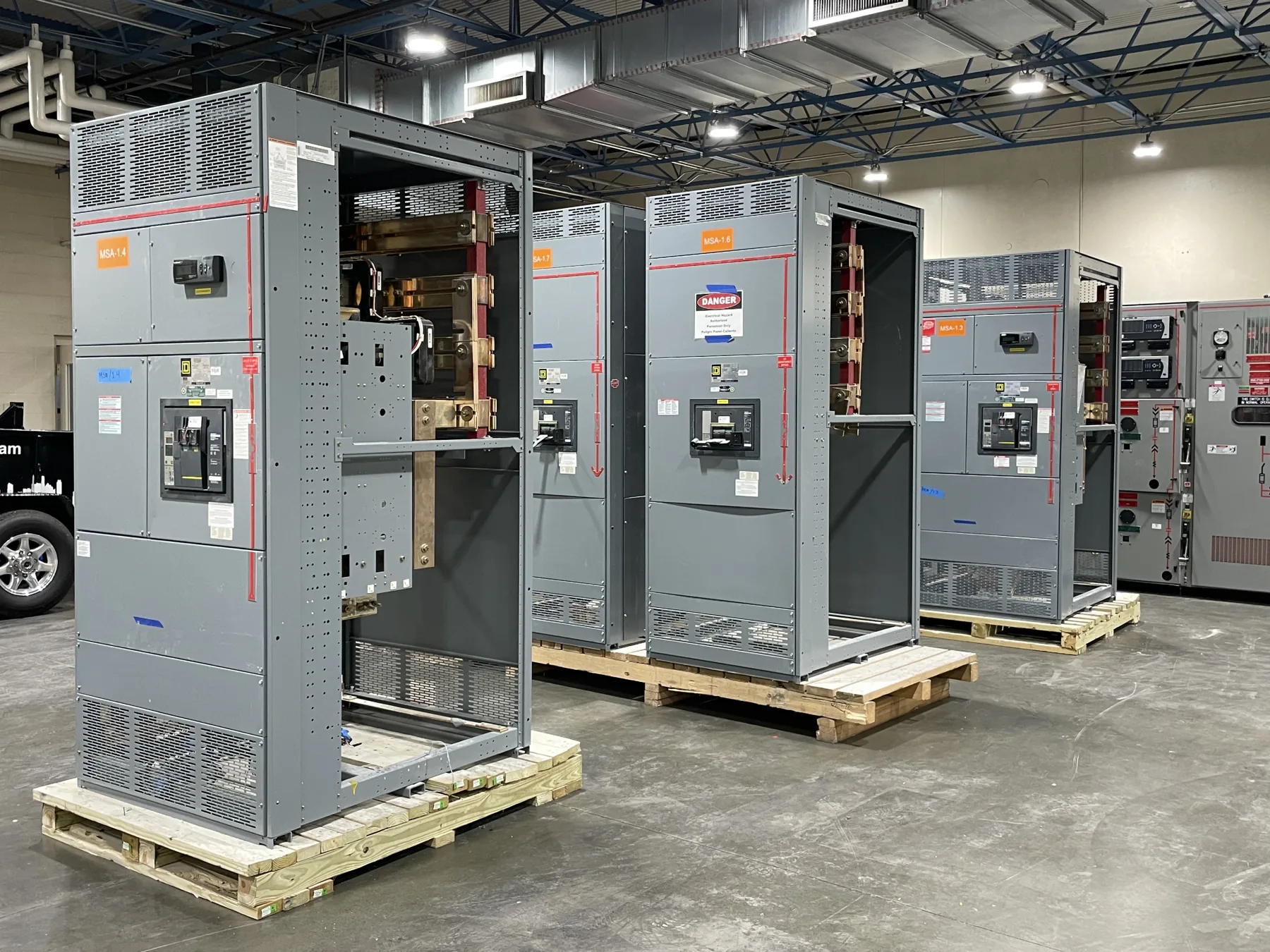
A useful equipment description explains the boundaries of each unit substation. Note whether the proposed lot includes transformer equipment, primary or secondary switchgear, bus connections, protective devices, control components, or enclosures. Identify these only when known; separate associated equipment from the main assembly if it is not included in the proposed sale.
Photographs can help show the overall lineup, visible labels, and the relationship between sections. Add a simple inventory or drawing when one is readily available, but do not spend time creating records that do not exist. The purpose is to make the equipment understandable, not to certify its condition or reconstruct the plant's electrical design.
Clarify ownership before requesting a quote. A decommissioning project can involve assets owned by the plant, a landlord, a contractor, or another party, and authority to sell should be confirmed internally. If ownership or sale scope is still being resolved, state that plainly so the review can account for the uncertainty.
Connect Details to the Shutdown Plan
Power plant dismantling schedules often release equipment in stages. For each unit substation, share the plant area or unit it serves, its current status in the decommissioning plan, and the anticipated date when it can be made available. These details help distinguish equipment that is ready for review from equipment still needed for an orderly shutdown.
A release schedule is useful even when dates remain provisional. Identify dependencies such as access restrictions, ongoing removal work, or a sequence that requires one assembly to remain in place longer than another. Do not promise a release date that the project team has not approved; explain whether timing is confirmed, estimated, or subject to change.
For a review, sellers may share records already on hand, such as equipment lists, drawings, maintenance files, or prior inspection reports. These are requests for information, not instructions to test equipment. No seller testing is required. Avoid opening electrical compartments or approaching energized equipment to gather details.
Plan Safe Access and Removal
Useful access information describes the route from the installed location to a loading area. Note known doorway or aisle constraints, floor-level changes, overhead clearance concerns, outdoor access, and any site rules that affect scheduling. Photos of the route can help explain a challenge, while a written description is enough when photography is not permitted.
Do not disconnect, move, or handle electrical equipment yourself to prepare it for sale. Electrical handling and disconnects belong to qualified personnel following applicable safety procedures. The buyer handles rigging and logistics, including crane, rigging, disconnects, loading, freight, and hauling, at its expense; share access conditions so the work can be considered appropriately.
Mention whether the equipment is indoors or outdoors and whether other plant work may affect access. If a crane or specialized handling may be needed, provide known restrictions rather than selecting equipment or making a safety determination. The buyer coordinates the logistics, and the seller's role is limited to sharing accurate information and arranging authorized site access.
Request a Specific Quote Review
To request a quote, send an inventory for each unit substation with its location within the plant, visible nameplate details, included components, ownership status, and release schedule. Attach available photographs or documents, and identify any uncertain items directly. A precise request helps the buyer review the actual scope instead of relying on a generic description.
State whether the equipment is intact, partly dismantled, or in another known condition, based on existing observations and records. You do not need to test it or commission testing for the request. If condition information is limited, say what is unknown. A quote depends on reviewing the equipment, so no price or eligibility should be assumed before that review.
The business buys used and surplus switchgear, including equipment from decommissioned power plants, makes cash offers, and pays upfront. The seller does nothing but get paid after the arrangement is reviewed. Submit the available facts and ask for a quote review; do not assume an exact valuation or timing before the equipment and logistics have been considered.