THE BUYER'S GUIDE / CALIFORNIA
Sell Multi-Building Electrical Equipment Lots From Power Plant Teardown in California
Power plant teardown: we handle the work
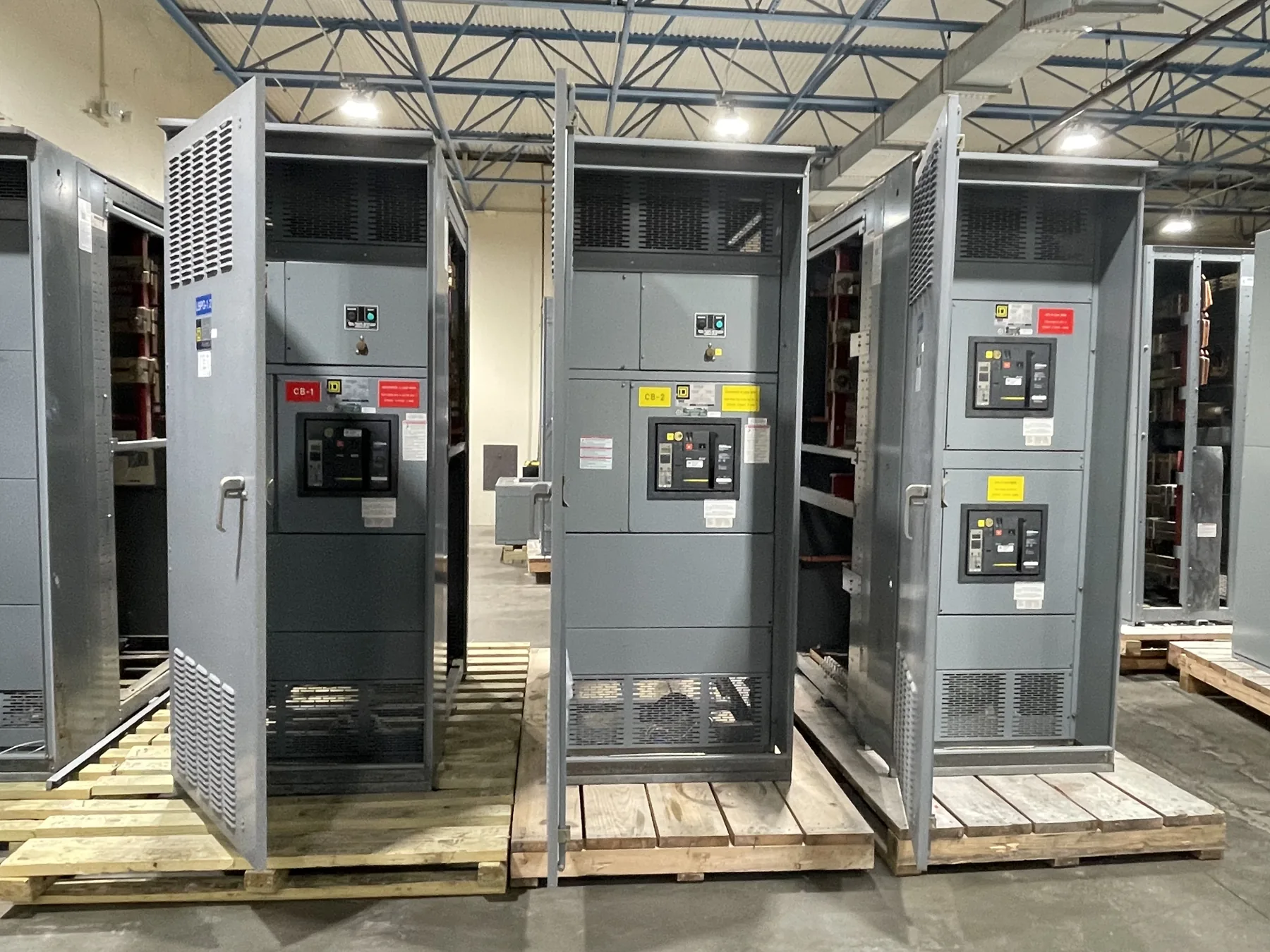
We buy electrical switchgear out of shut-down power plants. Crane, rigging, disconnects, loading, freight and hauling are on us. The seller does nothing but get paid; qualified personnel handle the electrical work.
Describe the Lot Before Judging Its Value
A power plant teardown can leave electrical equipment distributed across several buildings, with different items serving different parts of the site. A useful first step is to describe what may be available, rather than assume that the whole group has one uniform condition or value. A quote depends on reviewing the equipment and the information available.
For a possible sale in California, an itemized inventory organized by building helps distinguish one group from another. Include equipment type when known, approximate quantity, location, and whether items are being offered together or separately. If records use area names or equipment tags, those references can help connect a description to the correct building without requiring anyone to inspect equipment unsafely.
Ownership and project phase matter as well. Clarify which equipment the seller owns or is authorized to sell, what has already been removed, and what remains in place. If ownership is shared or uncertain, state that rather than guessing. Such context helps the buyer understand the proposed lot and identify questions for review before discussing collection arrangements.
Organize Information Around Decommissioning
During decommissioning, equipment may be identified through maintenance records, one-line diagrams, asset registers, or project inventories. Existing records can be useful references, but a seller does not need to create new technical documentation. Share what is already available and distinguish recorded descriptions from details that have not been confirmed.
A building-by-building schedule can note whether equipment is still installed, staged for removal, or already accessible for collection. It can also identify whether a group includes switchgear, breakers, transformers, or related electrical equipment, where those categories are known. Avoid treating a broad label such as “electrical gear” as a complete specification; the actual equipment and its condition need review.
A teardown schedule may affect when access is possible, but only share timing that the owner or project team knows. Mention planned access windows, site rules, or coordination contacts if available, without promising a removal date on behalf of other parties. The buyer can consider these details alongside the equipment description; they do not replace review of the proposed items.
Share Safe Identification and Condition Details
Useful identification may include a manufacturer name, model, rating, or other legible nameplate information, if it is safely visible. Existing exterior or nameplate photographs are optional and can help distinguish similar equipment across buildings. Do not open an enclosure, approach energized equipment, or take a photograph if doing so would be unsafe; no photo is required.
Describe condition in practical terms based on information already known. For example, note whether equipment is installed or stored, whether records identify it as complete or missing components, and whether visible exterior damage has been observed from a safe position. These observations are not a substitute for testing, and the seller is not required to test equipment for a quote.
The business buys used and surplus switchgear across all voltage classes, including equipment from decommissioned data centers and shut-down power plants. That makes accurate identification more useful than assumptions about a particular class or application. Share known ratings and history if available, but do not invent nameplate details or present uncertain information as confirmed.
Plan Collection Across Buildings
Multiple buildings can mean different access routes, loading locations, and coordination needs, so describe each known constraint by building or equipment group. Useful facts might include whether a truck can reach a loading area, whether overhead clearance is limited, or whether a site requires advance coordination. Do not estimate dimensions or access conditions unless someone has reliable information.
If collection is agreed, the buyer handles and pays for crane work, rigging, electrical disconnects, loading, freight, and hauling. The seller does not need to arrange those tasks. Qualified personnel perform electrical handling and disconnects under applicable safety procedures; sellers should not approach energized equipment or undertake electrical work for the sale.
A multi-building project may involve separate access approvals or phased availability. Share the rules and timing known to the owner, and identify uncertainties plainly. This lets the buyer assess the proposed collection plan without treating every building as identical. It also avoids asking the seller to move equipment or solve lifting and transport questions independently.
Request a Review and Quote
To request a quote, send an itemized description by building, ownership information, the project phase, and any safe identification or condition details already available. Add the known access constraints and timing that could affect collection. If records or optional exterior photographs exist, they may be included, but neither new photos nor equipment testing is required.
The buyer reviews the proposed equipment before making an offer, so an inquiry is not a guaranteed valuation or a commitment to purchase every item in a lot. If a purchase is agreed, payment is upfront. The business makes cash offers and handles the agreed rigging and logistics at its expense, leaving the seller with no collection work to arrange.
A clear request can separate confirmed facts from open questions: list known quantities, flag uncertain ownership or descriptions, and explain whether the offer concerns a whole lot or selected equipment. For a California power plant teardown, that grounded account gives the buyer a practical basis for review without claiming facts about a particular facility or requiring unsafe inspection.