THE BUYER'S GUIDE / CALIFORNIA
Sell Switchgear From Manufacturing Line Retirement in California
Plan Around the Retired Line
Retiring a manufacturing line does not necessarily retire every electrical asset that served it. Before offering switchgear, determine which distribution equipment is actually being released and what remains necessary for other operations. If you plan to sell switchgear from manufacturing line retirement in California, defining that boundary early helps prevent a mistaken assumption that the whole plant or electrical system is included.
Describe the connection between the gear and the retired line only to the extent you know it. A lineup may serve more than one area, or equipment near the line may remain in service for unrelated loads. If the electrical arrangement is uncertain, explain that instead of deciding from physical proximity alone. The proposed scope should reflect ownership and operational approval, not simply the location of the equipment.
Identify who can authorize the sale and who can confirm that removal will not interfere with remaining operations. A facility representative may need coordination with an owner, tenant, or project manager. Explain any approval still pending. The buyer can review an initial request using available information, while final scope and access depend on the seller’s authority and the agreed arrangements.
Identify the Distribution Equipment
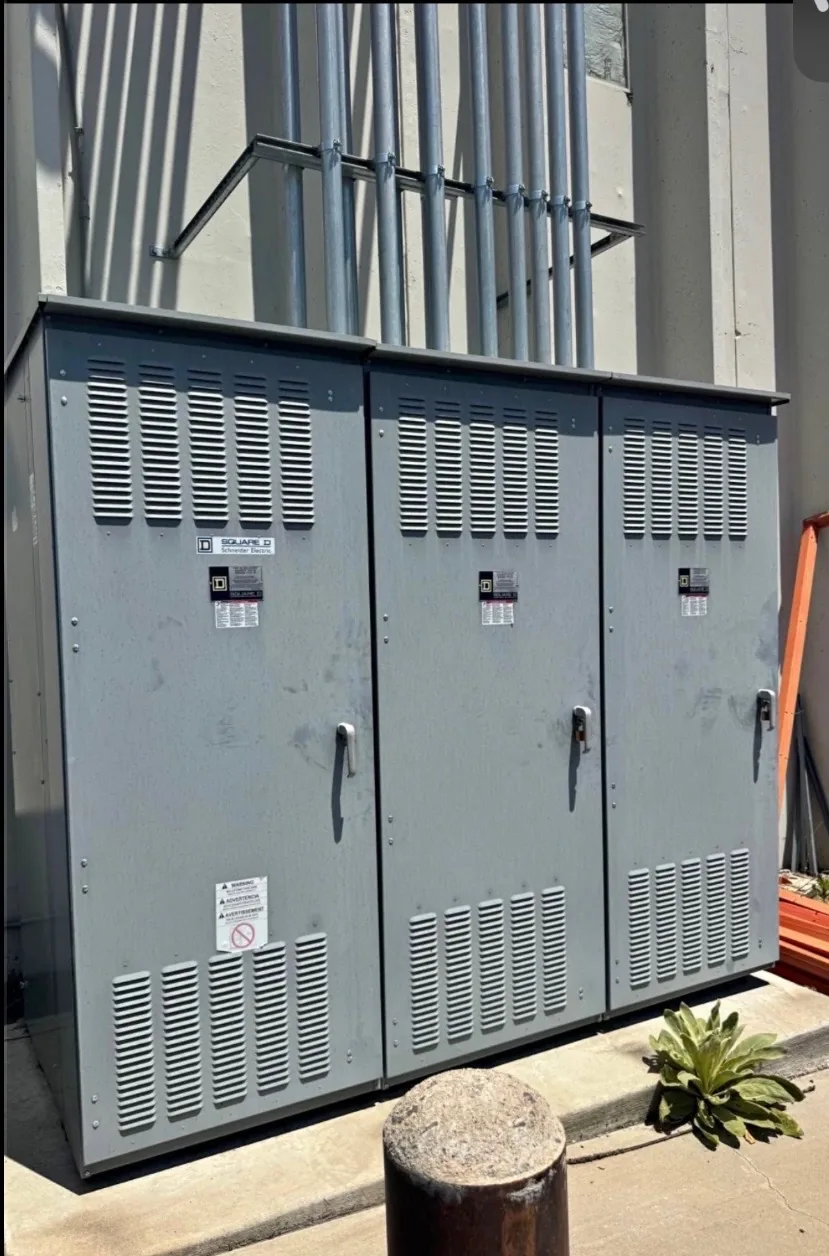
Start with a physical description: the number of sections or units, their approximate arrangement, and where they are located relative to the retired line. Use manufacturer and model details when labels are readable. If you cannot identify a specific component confidently, describe its position and appearance without assigning a technical function that may not be correct.
Share the switchgear’s available AC nameplate ratings, such as voltage and current, and any other legible markings relevant to identification. Nameplate facts are more useful than assumptions based on the former line’s requirements. Do not supply a value from a drawing unless you can explain that it comes from a document and may not match the installed equipment.
Photographs, equipment schedules, and electrical drawings can help the buyer understand what is being offered, if those records already exist. They are not a requirement, and there is no need to test the equipment to request a review. Avoid handling energized equipment to collect information. Electrical work and disconnects belong to qualified personnel following applicable safety procedures; the buyer handles that work.
Account for Remaining Operations
A retired production line may leave active distribution equipment serving other areas. Explain whether adjacent machinery, lighting, controls, or other operations remain in use only when that is known and relevant to the proposed removal. The purpose is not to make a technical safety determination, but to identify operational dependencies that qualified personnel and the responsible site contact need to consider.
State whether the switchgear is already disconnected, scheduled for release, or still awaiting a shutdown or approval. Do not perform or arrange electrical work outside qualified procedures simply to prepare it for a sale. If the project sequence is unsettled, describe the expected milestones and mark dates as tentative. A clear account of timing is more reliable than promising a removal window.
Mention access rules and physical constraints that may affect coordination, such as production schedules, controlled areas, vehicle routes, overhead obstructions, or restricted working hours. Include only conditions that apply at the site. The buyer handles rigging and logistics, including crane, rigging, disconnects, loading, freight, and hauling at its expense, but needs accurate information to plan around the facility’s stated constraints.
Build a Practical Review Summary
A strong equipment summary separates what is included from nearby equipment that remains in service or belongs to another project scope. Identify each proposed assembly by location, available label information, and relationship to the retired line. If several units are involved, describe them individually where possible; lumping distinct equipment together can make a review less clear.
Note ownership, the person authorized to approve a sale, and any operating or site approvals still required. Explain whether remaining operations limit access or removal timing. These details are not a request for the seller to certify that disconnection is safe; they help establish who can provide accurate information and coordinate with qualified personnel.
Attach existing records or safe photographs if useful, and explain any known gaps. A missing drawing or unreadable nameplate does not need to be replaced by a guess. State whether condition is based on visual information, records, or an unknown history. Honest limits allow the buyer to review the actual equipment rather than relying on unsupported claims about capacity, age, or performance.
Make a Quote Request
For a quote request, summarize the equipment released by the retired line, its available AC ratings, ownership and approval status, remaining operations, and access constraints. Share the expected release timing and distinguish confirmed dates from tentative plans. The buyer reviews the specific switchgear before making an offer, so a description alone does not promise a valuation, eligibility, or a particular decision time.
The business buys used and surplus switchgear from all voltage classes, including equipment made available through facility decommissioning. It makes cash offers and pays upfront. Sellers are not required to test the gear. If information is incomplete, say what is missing and why it is uncertain rather than conducting a test or creating nameplate details.
Once the review proceeds, coordinate with the authorized contact on the agreed scope and site arrangements. The buyer handles all rigging and logistics at its expense, including crane, rigging, disconnects, loading, freight, and hauling. Qualified personnel following applicable safety procedures handle electrical work. The seller supplies accurate information and authorization; the seller does nothing but get paid after the arrangement is agreed.